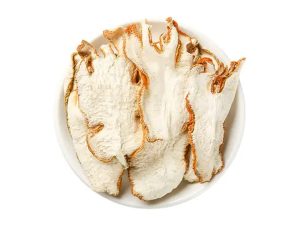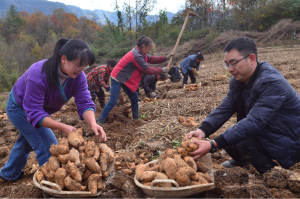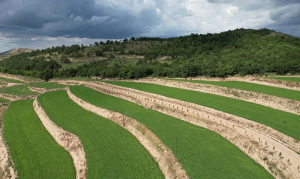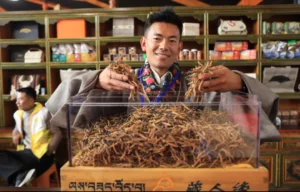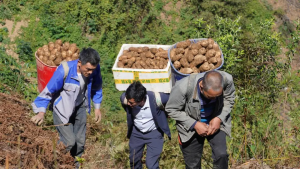
Gastrodia Elata
Licorice
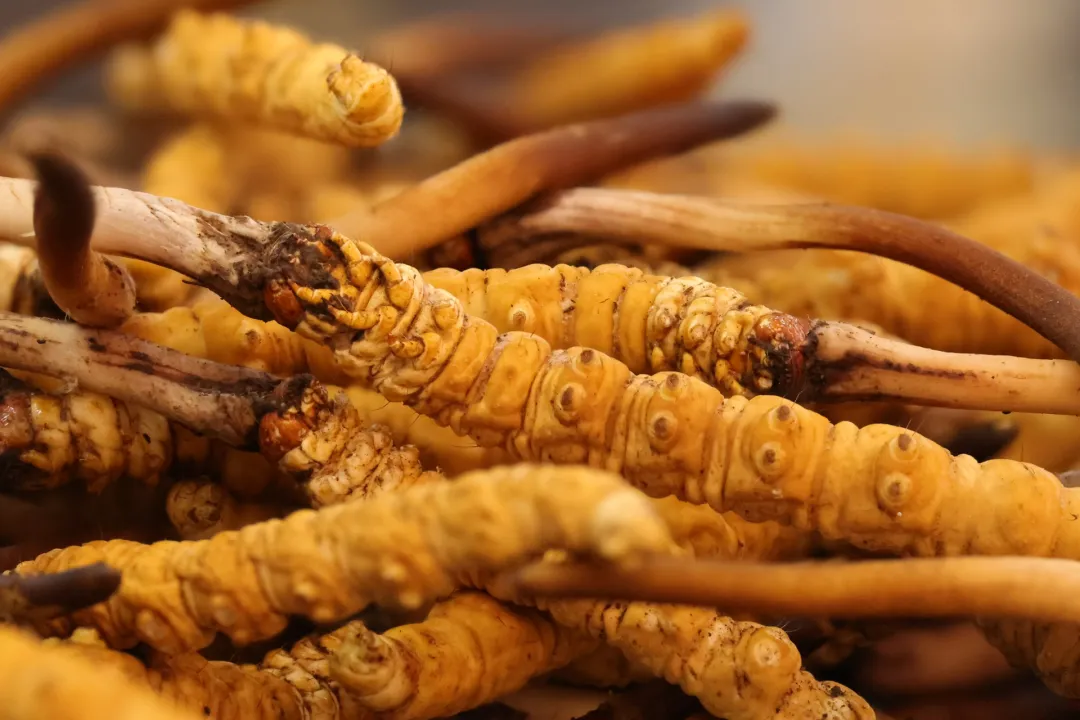
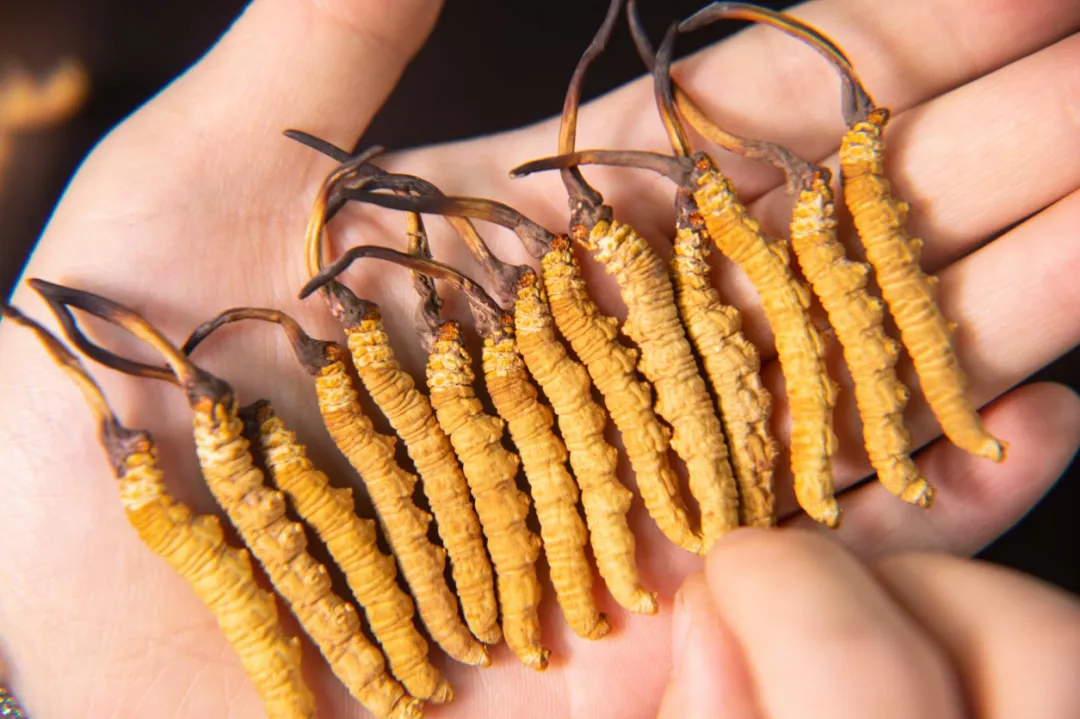
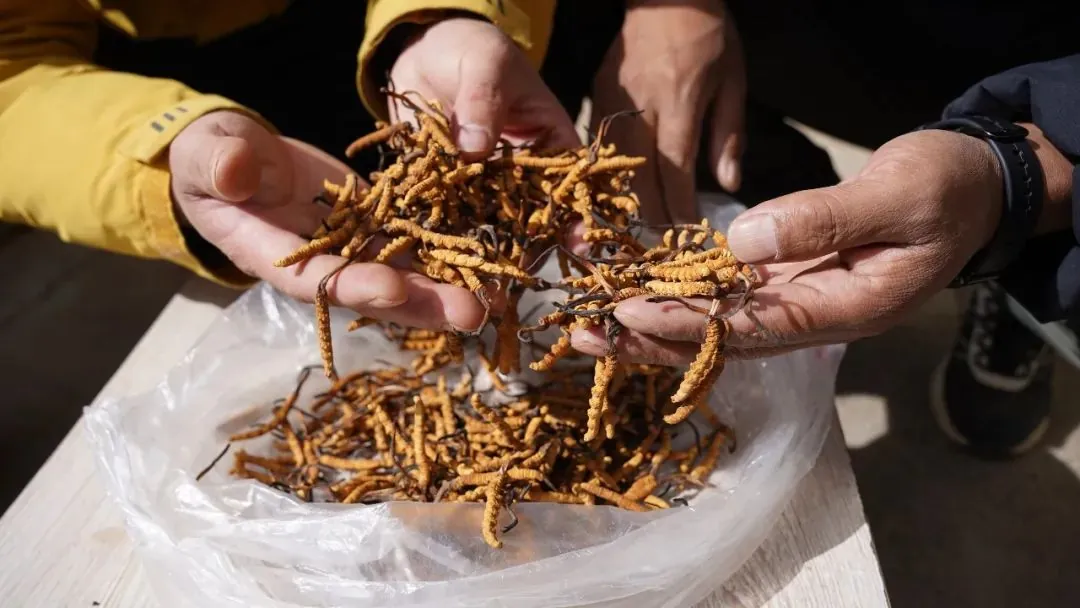
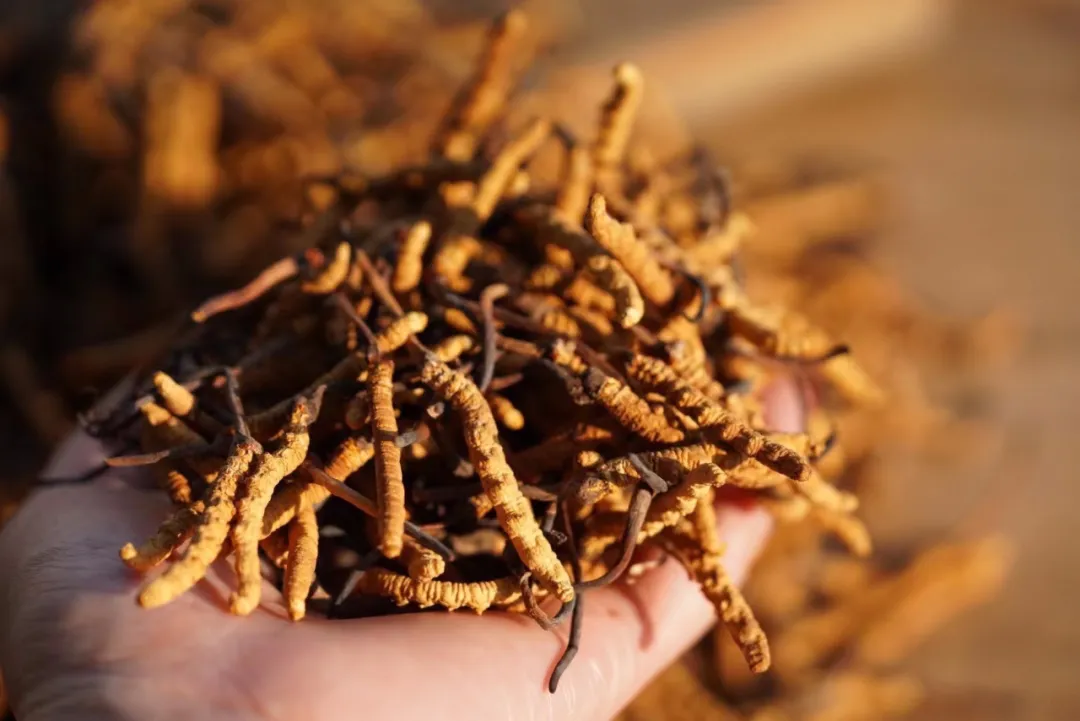
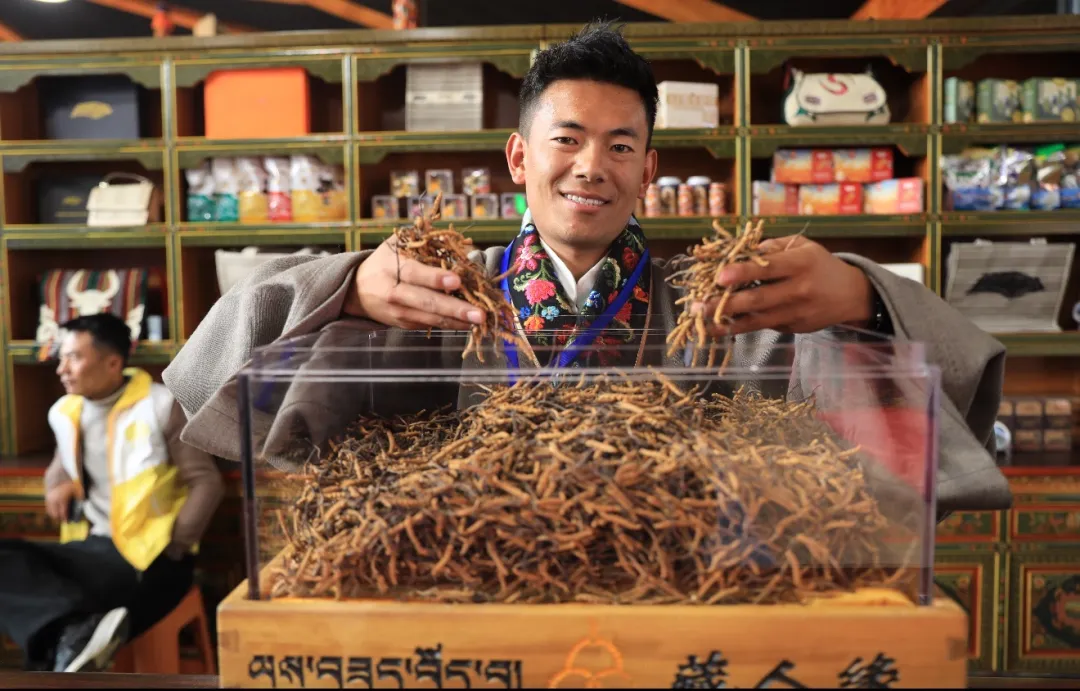
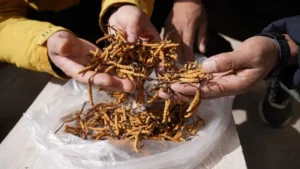
Cordyceps
Dong Quai
Goji berries
Astragalus

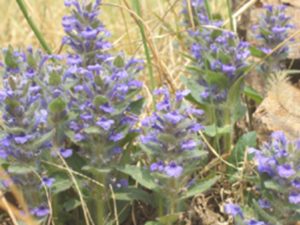
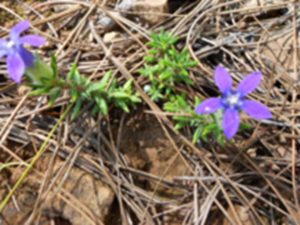
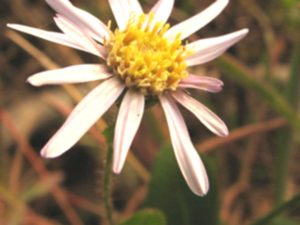
Gangbian Chrysanthemum

Gangbianju, a name in traditional Chinese medicine. It refers to the whole plant with roots of Aster panduratus Neese ex Walper (family Asteraceae). It is distributed in Jiangsu, Zhejiang, Jiangxi, Fujian, Hubei, Hunan, Guangdong, Hainan, Guangxi, Sichuan, Guizhou, and other regions. It has the effects of warming the lungs and relieving cough, as well as dispelling cold and alleviating pain; it is used to treat cough and wheezing caused by lung cold, and cold pain in the epigastric region.

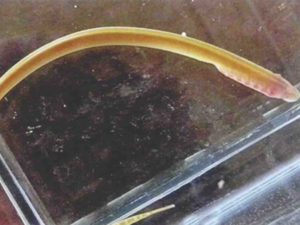
Eight-Eyed Eel

Eight-Eyed Eel is a name used in traditional Chinese medicine. It refers to the entire body of the seven-gill eel (Lampetra japonica (Martens)), a member of the Lampetra family. It has the effects of nourishing and strengthening the body, unblocking meridians and activating collaterals, and improving eyesight. It is primarily used to treat facial paralysis, night blindness, and dry cornea.

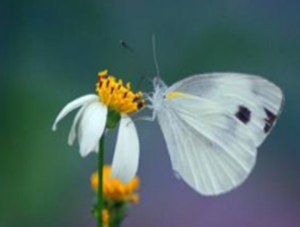
White Cabbage White Butterfly

White Cabbage White Butterfly, a name in traditional Chinese medicine. Refers to the entire adult body of the white cabbage white butterfly (Pieris rapae (Linnaeus)), a member of the Pieridae family. It has the effects of reducing swelling and relieving pain. It is primarily used to treat contusions and bruises.

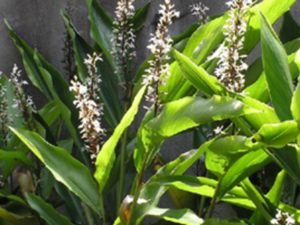
Lianjiang

Lianjiang, a name in traditional Chinese medicine. It is the rhizome of Rhizoma Alpiniae Chinensis, a plant in the Zingiberaceae family. It has the effects of warming the middle burner and aiding digestion, dispelling cold and relieving pain, promoting blood circulation, and relieving cough and wheezing. It is primarily used to treat cold-induced stomach pain, dysphagia and vomiting, abdominal pain and diarrhea, indigestion, cold and painful rheumatic joints, trauma, and wind-cold-induced cough and wheezing.

Standardized Licorice Herb Base in Inner Mongolia Desert

Standardized Licorice Herb Base Standardized Licorice Herb Base in Inner Mongolia Desert

Inner Mongolia desert standardized licorice base produces authentic Ural licorice. Learn about desert growing environment, GAP management, organic certification, geo‑indication, desert‑combining‑pharmaceutical‑herb model. Spanning the Ulan Buh Desert and Kubuqi Desert in western Inner Mongolia, the desert‑based standardized licorice base is a distinctive Daodi Chinese medicinal herb production zone built on desert ecological restoration. It mainly … Read more

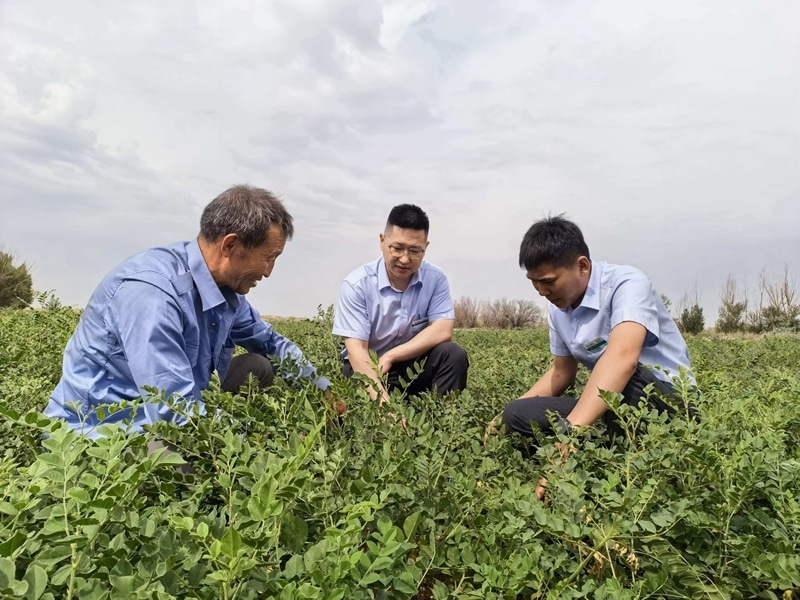
Wild Inner‑Mongolia Licorice (Liangwai Licorice)

Wild Inner‑Mongolia Licorice Wild Inner‑Mongolia Licorice (Liangwai Licorice)

It is a famous authentic Daodi medicinal herb, commonly known as Liang‑wai Cao. It originates from the southern Liang‑wai hard‑tableland area of Hangjin Banner, Ordos, Inner Mongolia, south of the Kubuqi Desert, growing in arid and semi‑arid desert‑steppe habitats with large day‑night temperature swings that promote accumulation of glycyrrhizic acid and flavonoids. Morphological Features Production … Read more

Minqin Licorice: GI-Protected Chinese Herbal Treasure from the Desert

Minqin Licorice Minqin Licorice: GI-Protected Chinese Herbal Treasure from the Desert

Nestled between the Tengger Desert and Badain Jaran Desert in Hexi Corridor, Minqin County of Gansu Province generates one of China’s most distinguished Daodi medicinal materials — Minqin Licorice. Officially approved as National Geographical Indication Protection Product in 2010 (Announcement No.110 of AQSIQ), it stands out in global herbal markets for distinctive appearance, high‑content active … Read more

Wild First‑Harvest Fresh Cordyceps from Yushu, Qinghai

Wild First‑Harvest Fresh Cordyceps Wild First‑Harvest Fresh Cordyceps from Yushu, Qinghai

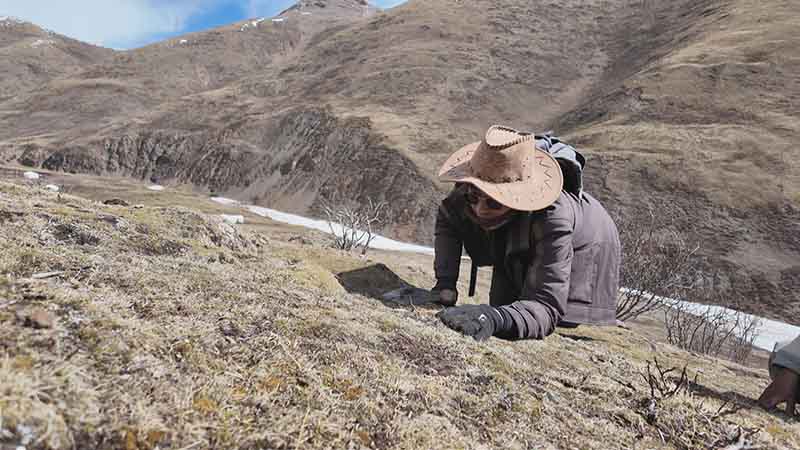
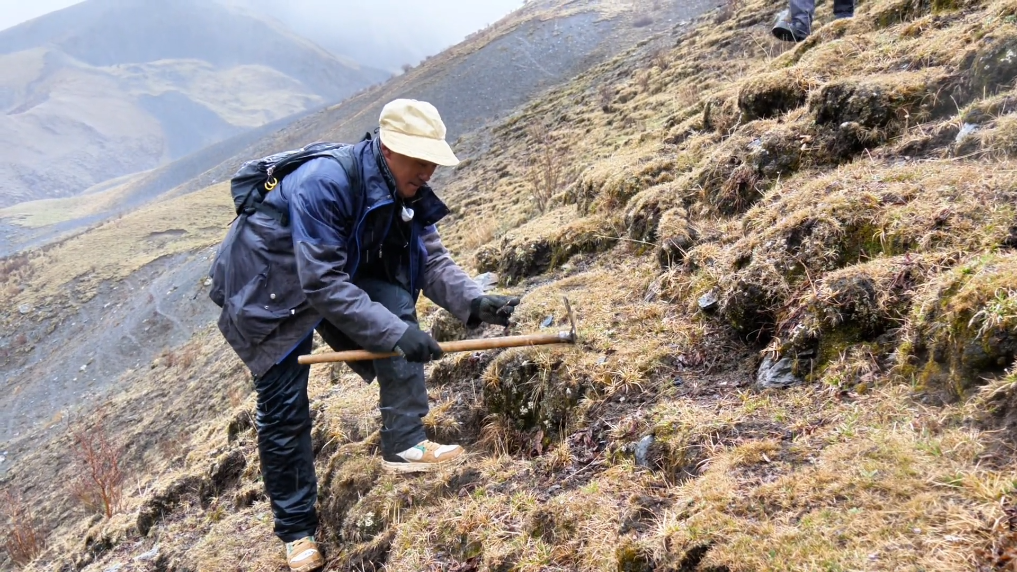
For wellness enthusiasts who value premium tonic ingredients, few natural treasures command the same respect as Ophiocordyceps sinensis, also known as winter‑worm‑summer‑grass. Alongside ginseng and deer antler, wild cordyceps earns its nickname “soft gold of the snowlands”. We are bringing you authentic wild first‑harvest fresh cordyceps freshly dug from high‑altitude grasslands in Yushu, Qinghai. Airlifted … Read more

Yushu vs Nagqu Cordyceps: Comparison of Two Top‑Tier Producing Zones

Yushu VS Nagqu Cordyceps Yushu vs Nagqu Cordyceps: Comparison of Two Top‑Tier Producing Zones

Wild Ophiocordyceps sinensis mainly concentrates on the Qinghai‑Tibet Plateau. Nagqu (Xizang) and Yushu (Qinghai) are universally recognised as two premium Daodi producing zones, supplying most high‑grade wild cordyceps for global TCM and wellness markets. Many buyers get confused when choosing between them. Neither side is absolutely “better”; they each carry unique strengths shaped by local … Read more

Qinghai Cordyceps: Origin, Harvest, and Geographical Indication

Qinghai Cordyceps Qinghai Cordyceps: Origin, Harvest, and Geographical Indication

Qinghai cordyceps (Ophiocordyceps sinensis) is a precious wild plateau medicinal herb and official national geographical‑indication product of China. Produced mainly in the Sanjiangyuan (Three‑River‑Source) area, Qinghai contributes over 60 % of China’s total wild cordyceps output, with Yushu Tibetan Autonomous Prefecture as its most‑renowned core producing hub.Zaduo County under Yushu is widely known as “Hometown of … Read more

Where to Buy Authentic Tibetan Cordyceps?

Where to Buy Authentic Tibetan Cordyceps Where to Buy Authentic Tibetan Cordyceps?

Tibetan cordyceps (Ophiocordyceps sinensis), also known as Yarsagumba, is a precious wild plateau herbal resource native to high‑altitude alpine meadows of the Qinghai‑Tibet Plateau. Nagqu in Xizang and Yushu in Qinghai are globally‑recognised core Daodi producing zones. Yet the cordyceps market suffers widespread counterfeiting, origin‑mixing, sulphur‑fumigated goods and misrepresented “direct‑from‑origin” marketing. Many buyers struggle to … Read more

Yushu Cordyceps: A Complete Guide to Qinghai’s Premium Alpine Herb

Yushu Cordyceps Yushu Cordyceps: A Complete Guide to Qinghai's Premium Alpine Herb

Yushu cordyceps (Ophiocordyceps sinensis) is a premium wild alpine medicinal herb and official national geographical‑indication product of Qinghai Province. Produced in Yushu Tibetan Autonomous Prefecture, the core zone of Sanjiangyuan (Three‑River‑Source) National Park, Yushu supplies over 60 % of Qinghai’s total cordyceps output. Well‑known in trade circles as “plateau soft gold”, it stands among the world‑class … Read more

Tibetan Cordyceps: Authentic High‑Altitude Wild Medicinal Herb From Tibet

Tibetan Cordyceps Tibetan Cordyceps: Authentic High‑Altitude Wild Medicinal Herb From Tibet

Tibetan cordyceps (Ophiocordyceps sinensis, formerly Cordyceps sinensis) is a rare natural fungus‑larva complex that only grows on high‑altitude alpine meadows of the Xizang Plateau. Among all major producing regions across the Qinghai‑Xizang Plateau, Nagqu in northern Xizang is recognised as the core authentic origin of premium Tibetan cordyceps. Favoured by unique plateau terroir, strict local … Read more

Globally‑Recognised World‑Best‑Quality Cordyceps In Nagqu Tibet

Globally‑Recognised World‑Best‑Quality Cordyceps In Nagqu Tibet Globally‑Recognised World‑Best‑Quality Cordyceps In Nagqu Tibet

Nagqu, nestled in the hinterland of the Qiangtang Plateau in northern Xizang, is the world‑famous authentic origin of wild Cordyceps sinensis (Ophiocordyceps sinensis). Widely recognized across global herbal‑trade and traditional‑Chinese‑medicine circles, Nagqu cordyceps earns its reputation as the world’s finest wild cordyceps, known by the well‑known remark “China leads the world in cordyceps, and Nagqu … Read more