Chinese Herbal Teas
lungs
TCM Herbal Teas
Health-Preserving Tea
health-preserving teas
best chinese herbal tea for lungs
cordyceps benefits

Hymenophyllum khasyanum

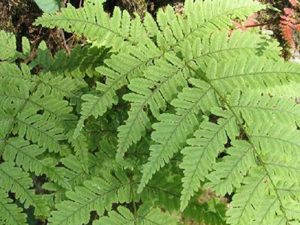
Hymenophyllum khasyanum, a name in traditional Chinese medicine. It refers to the whole plant of Hymenophyllum khasyanum Hook. et Bak., a member of the Hymenophyllaceae family. It is distributed in Southwest China and Guangxi, among other regions. It has the efficacy of stopping bleeding and promoting tissue regeneration. It is commonly used to stop bleeding and promote tissue regeneration.

Sou Shanhu

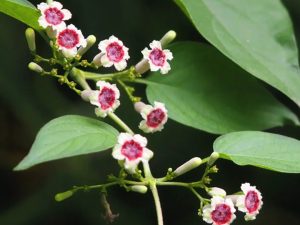
Sou Shan Hu is the name of a traditional Chinese medicinal herb. It is the root of Zanthoxylum austrosinense Huang, a plant in the Rutaceae family. It has the effects of dispelling wind and relieving exterior symptoms, regulating qi and promoting blood circulation, and reducing swelling and relieving pain. It is primarily used to treat wind-cold colds, rheumatic arthralgia, stomach pain due to qi stagnation, toothache, swelling and pain from falls or blows, fractures, and venomous snake bites.

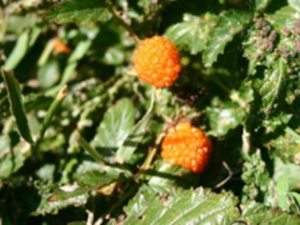
Groundberry

Di Meizi, a name in traditional Chinese medicine. It refers to the root of Rubus xanthocarpus Bur. et Franch., a plant in the Rosaceae family. It is distributed in Shaanxi, Gansu, Anhui, Sichuan, and other regions. It has the efficacy of clearing heat and detoxifying. It is commonly used to treat wind-heat-induced eye inflammation, redness, swelling, and pain in the eyes, as well as swollen and toxic sores.

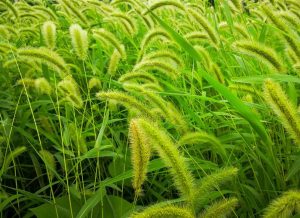
Dogtail Grass

Dogtail Grass is the name of a Chinese medicinal herb. This product is the whole plant of Setaria viridis (L.) Beauv. [Panicum viride L.], a member of the Poaceae family, also known as dogtail grass. It has the effects of clearing heat and draining dampness, dispelling wind and improving vision, detoxifying, and killing parasites.It is primarily used to treat wind-heat common cold, jaundice, malnutrition in children, dysentery, painful and difficult urination, red, dry, and painful eyes, red, swollen, and painful eyes, boils and swellings, common warts, and skin sores and ringworm.

4 Health-Preserving Teas for People with Weak Constitution

Congenital deficiency or acquired disharmony, coupled with a lack of physical exercise, leads to a frail constitution. signs of imbalance include shortness of breath and fatigue, lack of vitality, intolerance to exertion, poor appetite, sallow complexion, sensitivity to cold and heat, and poor memory. 1.Kangbao Tea Efficacy: Nourishes the Liver and Kidneys, replenishes qi and … Read more
6 Herbal Teas for Spleen and Stomach Weakness

Damage to Spleen qi due to dietary irregularities, excessive worry, and overexertion leads to Spleen deficiency, resulting in weakened transportation and transformation functions, as well as impaired digestion and absorption. Consequently, signs of imbalance such as reduced food intake and fatigue, poor appetite, abdominal distension, loose stools, and indigestion occur. 1.Xiatian Formula Efficacy: Strengthen the … Read more

four types Health-preserving teas for blood deficiency constitutions

Deficiency of blood in the body can, over time, lead to a blood-deficiency constitution. It is often caused by excessive blood loss, overthinking, or deficiency and impairment of the zang-fu organs, which are unable to transform and generate essential substances. signs of imbalance include a pale complexion, pale lips, dizziness, blurred vision, mild anemia, palpitations, … Read more

4 Herbal Teas to Replenish Qi for Qi Deficiency Constitution

Those with weakened functions of zang-fu organs all belong to qi deficiency constitution. signs of imbalance include shortness of breath with a weak voice, reduced appetite, fatigue and lassitude, lack of strength to speak much, and listlessness. 1. Ginseng Jasmine Tea Efficacy: Replenishes qi and calms the Heart, invigorates the spirit, supports shortness of breath … Read more

Five types of health-preserving teas for Yang-deficiency constitution

Yang-deficiency constitution is mostly caused by insufficient yang qi and weakened functions of zang organs. signs of imbalance include aversion to cold with cold limbs, spontaneous sweating, pale complexion, thirstlessness with a preference for plain drinks, loose stools with fatigue, shortness of breath, and reluctance to speak. 1. Ginseng Flower Tea Efficacy: Replenishes qi and … Read more

3 Nourishing Tea Recipes for Yin Deficiency Constitution

Yin Deficiency constitution is caused by insufficient yin component and deficiency of body fluid and blood. signs of imbalance include hot palms and soles, low-grade fever, emaciation, afternoon tidal fever, night sweats, dry mouth and throat, poor appetite, etc. 1.American ginseng tea Efficacy: Replenishes qi and nourishes yin, supports signs of imbalance of qi and … Read more

Seven Proven Summer Tea Recipes for Health Preservation and Heat Relief

Summer is the season when all things grow, with flowers, plants, and trees flourishing and young crops thriving, presenting a scene of prosperity. However, with the blazing sun high in the sky, the climate is scorching hot, heat waves strike, and the summer heat is extreme, leading to thirst and fatigue. Therefore, people consider seeking … Read more