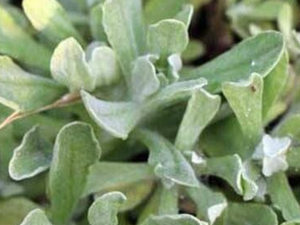
Gastrodia Elata
Dong Quai

Burdock root

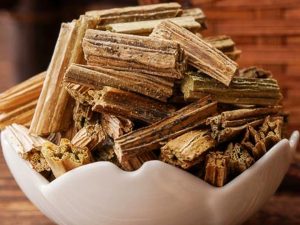
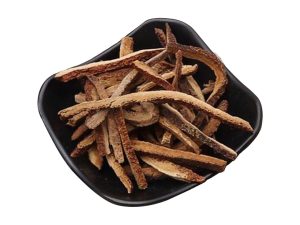
Burdock root is the root of Arctium lappa, a plant of the genus Arctium in the Asteraceae family, produced in Jilin, Liaoning, Heilongjiang, Zhejiang, and other regions.This herb has a bitter and slightly sweet taste, a cool nature, and enters the Lung and Heart meridians. It has the effects of dispersing wind-heat and reducing swelling caused by toxins. It is primarily used to treat wind-heat colds, headaches, coughs, facial swelling due to heat toxins, sore throat, swollen and painful gums, rheumatic arthralgia, masses and lumps, boils, abscesses, and malignant sores, as well as hemorrhoids and rectal prolapse.

Sha Shen

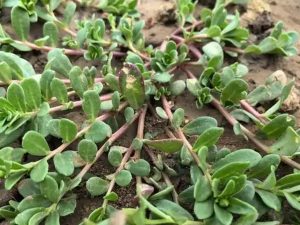
Sasheng is the name of a traditional Chinese medicine. It refers to the roots of the following plants in the Campanulaceae family: Sasheng (Adenophora stricta Miq.), Apricot-leaf Sasheng (Adenophora hunanensis Nannf.), Wheel-leaf Sasheng (Adenophora tetraphylla (Thunb.) Fisch.),Yunnan Sashen (Adenophora khasiana (Hook.f. et Thoms.) Coll. et Hemsl.), Pao Sashen (Adenophora potaninii Korsh.), and several other species within the same genus. It has the effects of nourishing yin and clearing heat, moistening the lungs and resolving phlegm, and benefiting the stomach and promoting fluid production.It is commonly used for chronic cough due to yin deficiency, consumptive cough with blood-tinged sputum, dry cough with scant sputum, throat obstruction due to deficiency-heat, and thirst caused by fluid depletion.

Goat Bladder

Goat Bladder is the name of a Chinese medicinal material. It is the bladder of the goat (Capra hirtus Linnaeus) or sheep (Ovis arnesis Linnaeus) from the Bovidae family. It has the effect of reducing urine output. It is primarily used to treat qi deficiency in the lower jiao, frequent urination, and enuresis.

Wuling Shen

Wuling Shen is the name of a traditional Chinese medicine. It is the sclerotium of *Anthracodermus nigrocaulis*, a fungus belonging to the genus *Anthracoderma* in the family Anthracodermae. This herb has a sweet taste and neutral nature; it enters the Heart and Liver meridians. It has the effects of calming the mind, stopping bleeding, and lowering blood pressure. It is primarily used to treat insomnia, palpitations, hemoptysis, epistaxis, hypertension, and burns.

Ningqiang’s Wild-Simulated Gastrodia elata Herb Planting Bases

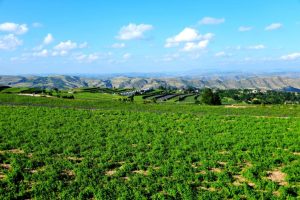
Located in the Qinba Mountain ecological corridor, Ningqiang County of Hanzhong City, Shaanxi Province, relies on abundant forest resources and superior mountain microclimate to build large-scale wild simulated herb planting bases dominated by black Gastrodia elata. Breaking the mode of open-field intensive cultivation, Ningqiang simulates the wild growth environment of wild gastrodia under natural forests, … Read more
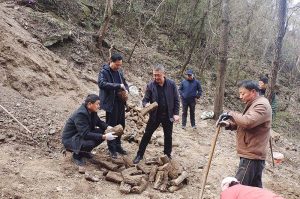
Ningqiang Black Gastrodia Elata GAP Chinese Medicinal Herb Base

As a core GAP Chinese medicinal herb base recognized by Shaanxi Province, Ningqiang Black Gastrodia Elata Base stands in Ningqiang County, Hanzhong City, Shaanxi Province, the birthplace of artificial Gastrodia elata cultivation in China. Backed by unique Qinba ecological conditions, over 50 years of planting heritage, proprietary strain technology, multi-level authoritative certifications and large-scale industrial … Read more
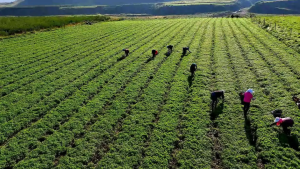
Daodi Gastrodia Elata Producing Area in Hanzhong Ningqiang

As a core Daodi Gastrodia elata producing area in China, Ningqiang County of Hanzhong City, Shaanxi Province, boasts unparalleled geographical advantages, standardized planting systems, authoritative quality certifications and robust industrial output capacity. With a 50-year history of artificial Gastrodia elata cultivation, it is honored as the cradle of artificial Gastrodia elata planting in China, forming … Read more

Best place to grow Gastrodia elata-Ningqiang, Hanzhong

Ningqiang Gastrodia elata: Ningqiang County has the largest area dedicated to Gastrodia elata cultivation in Hanzhong. The county is rich in Gastrodia elata cultivation resources, with 112,000 hectares of forests suitable for Gastrodia elata mycelium growth, a timber reserve of 3.71 million cubic meters, and more than 33,333 hectares of forest land suitable for ecological … Read more

Wild Gastrodia elata vs Cultivated

Wild Gastrodia elata is on the verge of depletion, and 90 percent of the “wild” products on the market are actually farm-grown. Yiliang Wu Gastrodia elata, cultivated under forest canopies in the Wumeng Mountains using semi-wild methods, grows naturally in pristine mountain forests. Its quality rivals that of wild Gastrodia elata, and the plump, firm … Read more