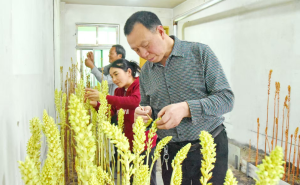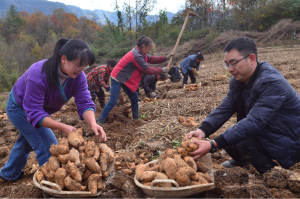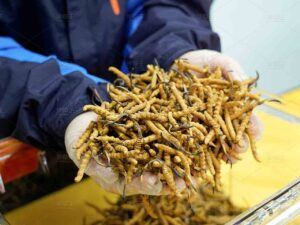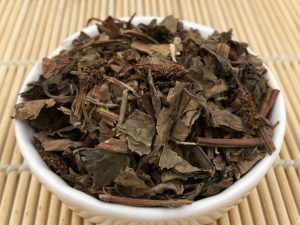
Dong Quai
Gastrodia Elata
Astragalus
Goji berries
Licorice
Cordyceps
Chuanxiong

Fish-smell Grass

Houttuynia cordata, a traditional Chinese medicinal herb, refers to the fresh whole plant or dried aerial parts of Houttuynia cordata Thunb., a plant belonging to the genus Houttuynia in the family Saururaceae.It has the effects of clearing heat and detoxifying, resolving abscesses and draining pus, and promoting urination and relieving dysuria. It is primarily used to treat lung abscesses with purulent discharge, coughs caused by lung heat, heat-toxin sores and abscesses, damp-heat dysuria, and damp-heat diarrhea and dysentery.

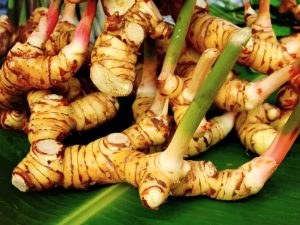
Alpinia officinarum

Alpinia officinarum, a name in traditional Chinese medicine. It is the dried rhizome of Alpinia officinarum Hance, a plant in the genus Alpinia of the Zingiberaceae family. It has the effects of dispelling cold and relieving pain, as well as warming the stomach and stopping vomiting. It is primarily used to treat cold pain in the epigastrium and abdomen, vomiting due to stomach cold, belching, and acid regurgitation.

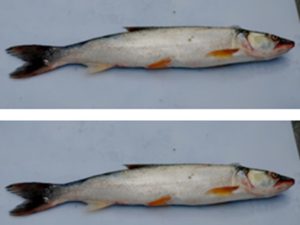
Bamboo Carp

Elopichthys bambusa, a name in traditional Chinese medicine. It refers to the flesh of Elopichthys bambusa (Rich), a fish belonging to the genus Elopichthys in the Cyprinidae family, primarily found in rivers across the northern to southern plains. It has the therapeutic effect of warming the middle burner and benefiting the stomach, and is used to treat vomiting after eating.

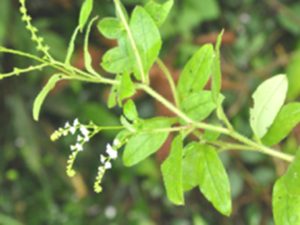
Thyrocarpus

Thyrocarpus, a name in traditional Chinese medicine. It refers to the whole plant of Thyrocarpus sampsonii Hance, a member of the Boraginaceae family. It is distributed in Shaanxi, Gansu, Jiangsu, Anhui, Zhejiang, Jiangxi, Fujian, Taiwan, Hubei, Hunan, Guangdong, Guangxi, Sichuan, Guizhou, Yunnan, and other regions. It has the effects of clearing heat, detoxifying, and reducing swelling. It is commonly used to treat boils, carbuncles, sore throat, diarrhea, and dysentery.

What are the side effects of dong quai?

Dong quai is generally well tolerated at standard doses (1.5–3g daily), but side effects can occur, especially with high doses, empty-stomach intake or sensitive constitutions. Side effects are usually mild and fade once you lower the dose or stop temporarily. Common, mild side effects Less common potential reactions Important Serious Warnings & Contraindications (who should … Read more
Can you take dong quai during your period?

It depends entirely on your flow. It is not universally safe to take dong quai while menstruating. Dong quai activates and moves blood. Its rule of thumb: ✅ Good for stagnation (scanty, stuck flow) ⚠️ Risky with heavy bleeding Two scenarios 1. You have light, dark flow with clots Safe for short use (first 1–2 … Read more

How to make dong quai tea at home?

How to Make Homemade Dong Quai Tea (Decoction),This method extracts ligustilide and active compounds far better than simply pouring hot water over it. Ingredients (Single Daily Serving) Simple Step-by-Step Method Pro Tips to improve taste & benefits ✅ Basic plain version: straight dong quai tea (slightly bitter, earthy flavour) You can add gentle pairings to … Read more

Can I take dong quai every day long term?

Not continuously every single day indefinitely. Cyclic on/off long-term use is safer than non-stop daily intake year-round. Unbroken daily long-term use raises risks of hormone receptor overstimulation, digestive issues and blood flow imbalance. Recommended long-term routine (two scenarios) 1. If you still have menstrual cycles (pre-menopause) Follow your natural cycle rhythm: ✅ Take daily only … Read more

Should You Take Dong Quai With Food?

Yes — it is strongly recommended to take dong quai alongside food, rather than on an empty stomach. Why food matters This is the most common side effect people experience when dosing on an empty stomach. Best practice routine Take your daily dong quai dose with breakfast or lunch (mid-morning meal is ideal). You can … Read more

When Is the Best Time to Take Dong Quai

Dong quai follows cycle-aligned herbal timing — this is the biggest secret most people miss. It works to nourish blood and build pelvic circulation before your period arrives, and you adjust intake according to your cycle phase. 1. Reproductive years (still having periods) ✅ Best window to take dong quai: Follicular Phase — Day after … Read more

How Long Does Dong Quai Take to Work

Dong quai is a nutritive blood tonic; it rebuilds your body’s balance gradually — it does not deliver overnight results. Response times depend on your symptoms, consistent dosing, and following the follicular-phase cyclic routine. 1. Early subtle shifts (2–4 weeks) Many women notice small, preliminary improvements within 2 to 4 weeks of steady proper use: … Read more

How much dong quai should I take daily?

Dosage depends on the form you use, your symptoms, and whether you follow cyclic usage rules. We are referring to dried root cut / crude dried dong quai root (Angelica sinensis) — the standard herbal form. Important: This guidance is for oral internal use for adult women. Not for children, pregnancy, breastfeeding. Standard Daily Dosage … Read more

Can Dong Quai ease endometriosis pain?

Dong quai may reduce mild-to-moderate pelvic pain from endometriosis for some women, but it must be used cautiously and is not suitable for everyone. Its blood-moving properties help stagnation-related discomfort, yet there are important risks to understand due to estrogen receptor interaction. How Dong Quai works for endometriosis discomfort Critical Safety Risk: Key Concern for … Read more

Can Dong Quai Help PCOS Hormone Imbalance?

Dong quai offers supportive benefits for some women with PCOS, but it is NOT a standalone treatment for PCOS hormone imbalance. Results depend heavily on your PCOS subtype. It works best for PCOS marked by pelvic blood stagnation + blood deficiency, but it cannot directly lower elevated androgens (testosterone) on its own. How Dong Quai … Read more