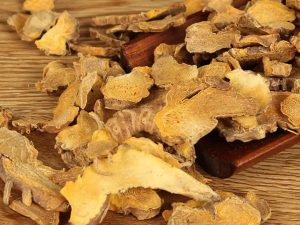
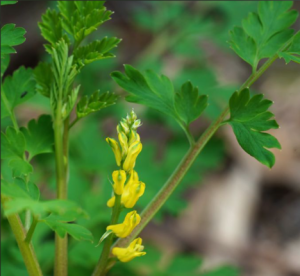
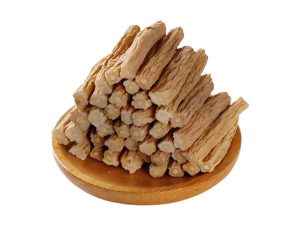
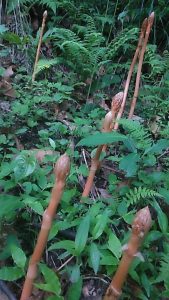
Dong Quai
Gastrodia Elata
Astragalus
Goji berries
Licorice
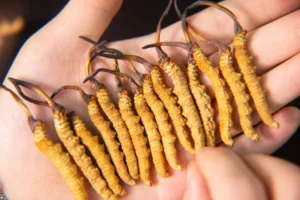
Cordyceps
Chuanxiong

Pogostemon

Pogostemon is a name in traditional Chinese medicine. It refers to the aerial parts of Pogostemon cablin (Blanco) Benth., a plant in the genus Pogostemon of the Lamiaceae family. It has the effects of dispelling dampness, stopping vomiting, and relieving summer heat. It is primarily used to treat dampness obstructing the middle jiao, vomiting, and the early stages of summer-dampness or damp-heat syndromes.

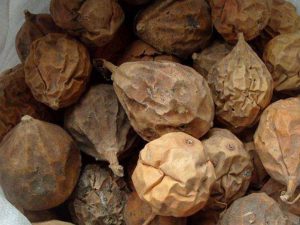
Belamcanda

Belamcanda, a name in traditional Chinese medicine, refers to the dried rhizome of Belamcanda chinensis (L.) DC., a plant of the genus Belamcanda in the Iris family. It is primarily produced in Hubei, Jiangsu, Henan, and Anhui. This product has the effects of clearing heat and detoxifying, resolving phlegm, and relieving throat discomfort. It is primarily used to treat stagnation of heat-toxin, phlegm-fire, and throat swelling and pain, as well as excessive phlegm and coughing with shortness of breath.

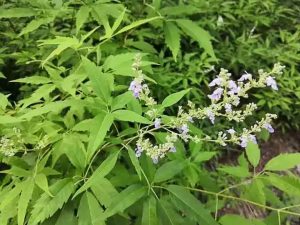
Yellow Honeysuckle

Huangjing is a plant of the genus Vitex in the Verbenaceae family; its roots, stems, leaves, and fruits (huangjingzi) are used medicinally. Among these, the roots and stems of Huangjing have a bitter and slightly pungent taste and a neutral nature. They are effective in clearing heat, relieving coughs, resolving phlegm, and stopping malaria, and are primarily used to treat bronchitis, malaria, and hepatitis; The leaves of Huangjing have a bitter taste and a cool nature; they clear heat, relieve exterior symptoms, resolve dampness, and arrest malaria. When taken internally, they can treat colds, enteritis, dysentery, malaria, and urinary tract infections; when applied topically, they can treat eczema, dermatitis, and athlete’s foot;Huangjing seeds have a bitter and pungent taste and a warm nature. They are effective in relieving coughs and wheezing, as well as regulating qi and alleviating pain. They are primarily used to treat coughs, asthma, stomach pain, indigestion, enteritis, and dysentery.

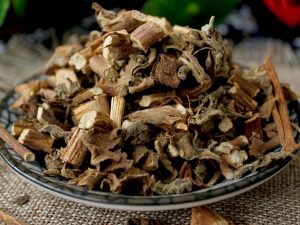
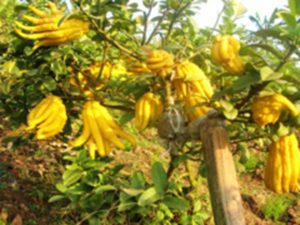
Buddha’s Hand

Boshouguan is the name of a traditional Chinese medicine. It is the dried fruit of Citrus medica L. var. sarcodactylis Swingle, a plant of the Rutaceae family.This herb has a pungent, bitter, and sour taste; it is warm in nature and enters the Liver, Spleen, Stomach, and Lung meridians. It has the effects of regulating Liver Qi, harmonizing the stomach and relieving pain, and drying dampness to transform phlegm. It is primarily used to treat Liver-Stomach Qi stagnation, distending pain in the chest and flanks, epigastric fullness and distension, poor appetite and vomiting, and cough with excessive phlegm.

What is the difference between dong quai and black cohosh?

Both are popular for women’s hormone & menopause symptoms, but they work in completely different ways, safety profiles and best uses. 1. Plant Identity & Active Compounds Dong Quai (Angelica sinensis) Black Cohosh (Actaea racemosa / Cimicifuga racemosa) 2. How they act on hormones (The biggest difference) Dong Quai Contains mild phytoestrogens. It weakly binds … Read more

Is dong quai safe for breast cancer survivors?

Caution is required — dong quai is NOT automatically safe for breast cancer survivors, and you should never start it without approval from your oncologist. Safety depends mainly on your tumour hormone receptor status (ER/PR status). Key Background Dong quai contains plant phytoestrogens that bind weakly to estrogen receptors in tissue. Breast cancers fall into … Read more

Should I Stop Dong Quai Before Surgery?

YES — you must stop taking dong quai before surgery. Main Reason Dong quai has blood-moving (activating blood circulation) properties. It can increase bleeding risk during and after surgery: Recommended Timing Cease dong quai at least 7–10 days prior to any planned surgery. This gives your body enough time to clear the active compounds (ligustilide) … Read more

Can dong quai cause diarrhea or bloating?

Yes — diarrhea, loose stools and abdominal bloating are common mild side effects of dong quai, especially when improperly taken. Why this happens Dong quai contains volatile oils (ligustilide) that have two effects on digestion: Risk becomes higher when: Typical symptoms you may experience These usually start within 1–3 days after you begin taking it. … Read more

Who Should Avoid Taking Dong Quai?

Below is a clear breakdown of groups who need to skip dong quai entirely, or only use it under strict professional medical supervision. 1. Pregnant people Dong quai promotes uterine blood circulation. There is a theoretical risk of uterine cramping that may threaten pregnancy. ✅ Rule: Avoid throughout all trimesters. Exception: Rarely, a trained herbalist … Read more

Can dong quai cause sun sensitivity?

YES — dong quai can cause photosensitivity (sun sensitivity) in some people. It contains furocoumarins (呋喃香豆素) — natural compounds that make skin far more reactive to UV sunlight. How it happens When you take dong quai internally: Furocoumarins circulate in your bloodstream. When UV light hits exposed skin, these chemicals trigger a phototoxic reaction, damaging … Read more

Does Dong Quai Interact With Birth Control Pills?

There is no proven dangerous direct interaction that makes birth control fail, but there is a theoretical hormone interaction risk you should discuss with your doctor. Dong quai could alter hormonal balance and may affect how your body responds to synthetic hormones in oral contraceptives. Detailed breakdown Two main possible outcomes women notice 1. Increased … Read more

Does Dong Quai Interact With Warfarin?

YES — there is a significant interaction risk. Dong quai and warfarin should be used together only under close medical supervision; self-mixing them is strongly discouraged. The science behind the interaction Warfarin is an anticoagulant (blood thinner) that slows clot formation to prevent dangerous blood clots. Dong quai contains coumarin-type compounds. Two critical risks: Clinical … Read more

Can you take dong quai while breastfeeding?

Routine use of dong quai while breastfeeding is generally NOT recommended without professional guidance; most providers advise avoiding it unless supervised by both a lactation consultant and qualified herbal practitioner. There is limited high-quality safety research on dong quai passing into human breast milk. Key considerations Realistic guidance ✅ Scenario: You just gave birth and … Read more

Is Dong Quai Safe During Pregnancy?

Dong quai is NOT recommended during pregnancy, especially the first and second trimester. Most herbal clinicians advise avoiding dong quai entirely while pregnant. Why caution is needed Dong quai has two key properties: The blood-moving action carries theoretical risks in pregnancy: Traditional Chinese medicine guidance classifies dong quai as a blood-moving herb, which are generally … Read more