
Dong Quai
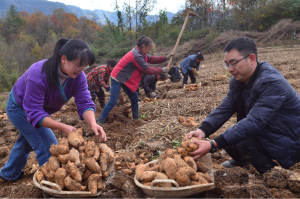
Gastrodia Elata
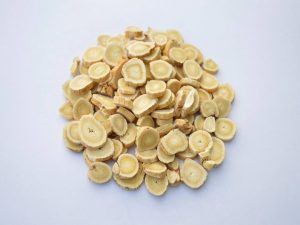
Astragalus
Goji berries
Licorice
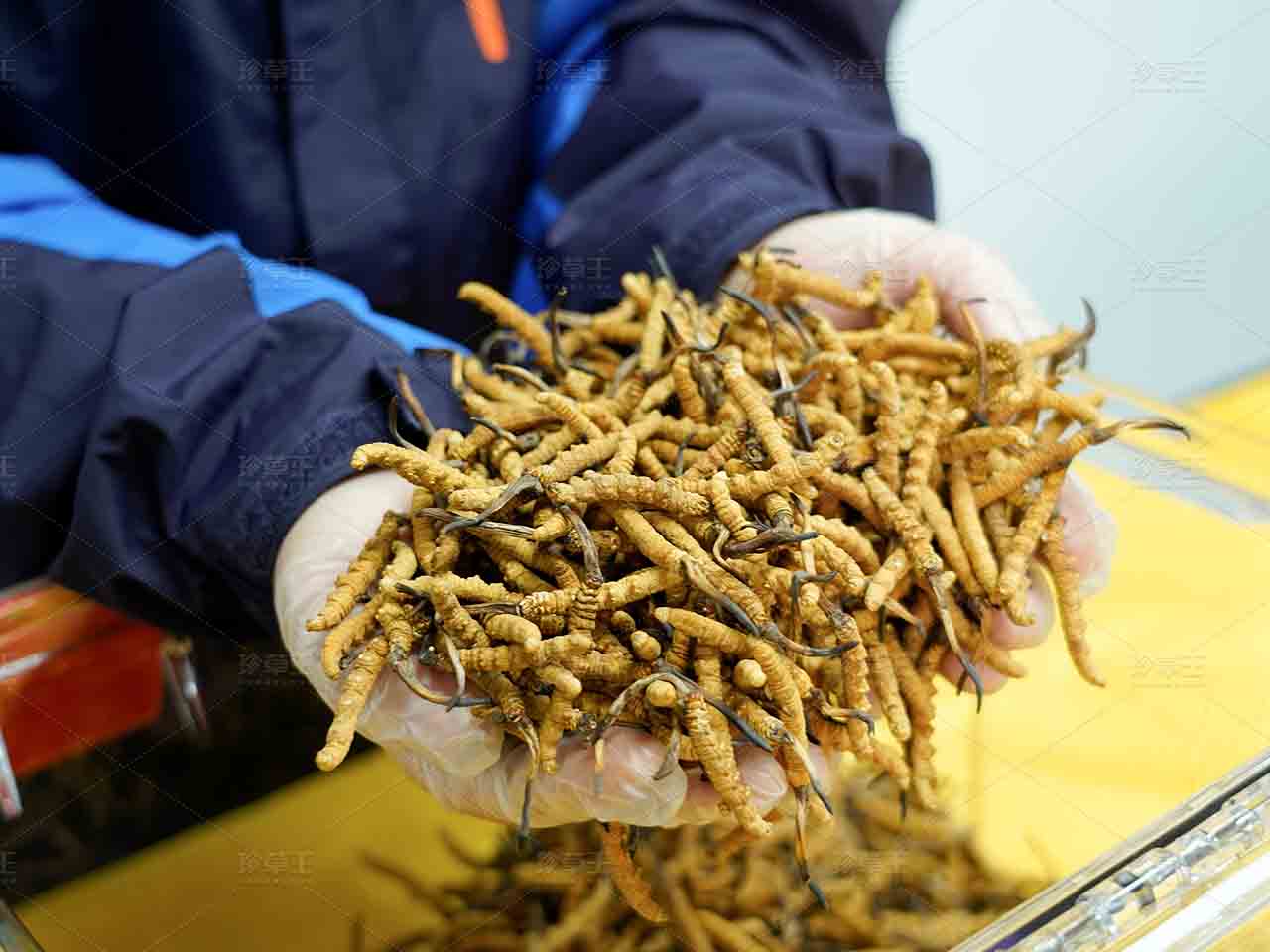
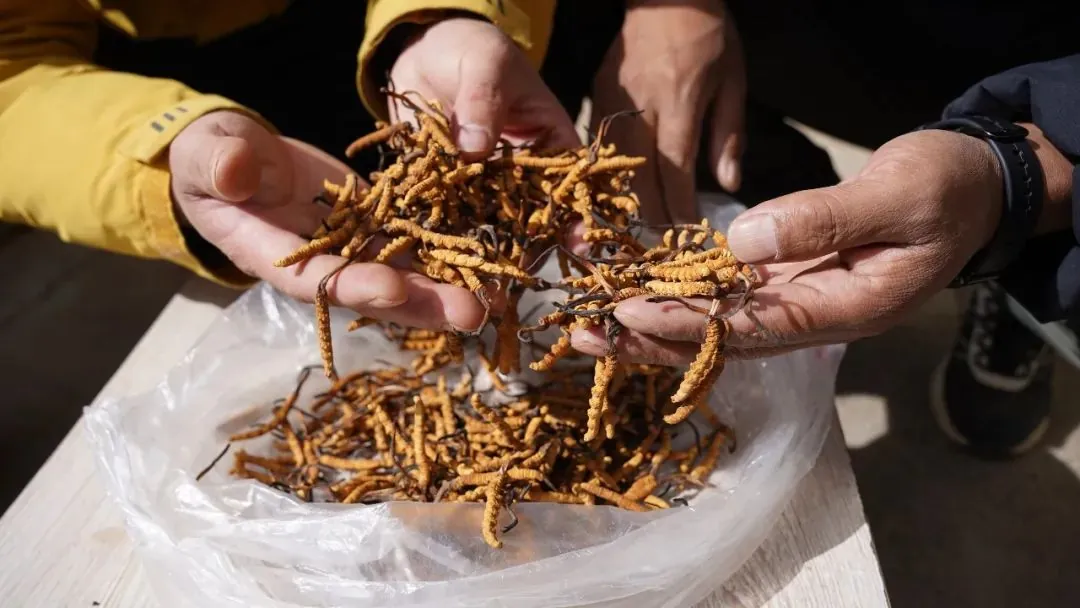
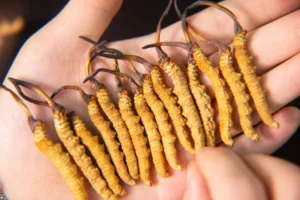
Cordyceps
Chuanxiong

Niuwang Feijincao

Niuwang Feijincao, a name in traditional Chinese medicine. It refers to the whole plant, including the roots, of Phlomis umbrosa Turcz. var. australis Hemsl. (family Lamiaceae). It is distributed in southwestern China, as well as in Shaanxi, Gansu, Anhui, Hubei, Hunan, and Tibet. It has the effects of dispelling wind and relieving cough, promoting blood circulation and unblocking meridians, and detoxifying and reducing swelling.It is primarily used to treat colds, coughs, rheumatic pain, weakness in the lower back and knees, bruises and hematomas from falls or blows, fractures, and abscesses and toxic swellings.

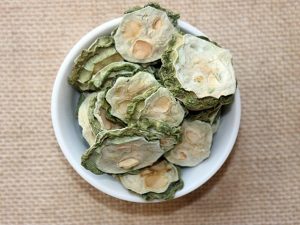
Bitter Melon

Bitter melon is the dried, nearly ripe fruit of Momordica charantia L., a plant in the Cucurbitaceae family. It possesses both medicinal and edible value; it can be used as a traditional Chinese medicinal herb for clinical treatment and incorporated into daily diets for health maintenance.According to traditional medicine, it has a bitter taste and a cold nature, and affects the Heart, Spleen, Liver, and Lung meridians. It is effective in relieving summer heat and clearing internal heat, clearing the liver and improving eyesight, and detoxifying the body. It can be used to treat summer heat-induced thirst and restlessness, red, swollen, and painful eyes, and abscesses and swellings caused by toxins.

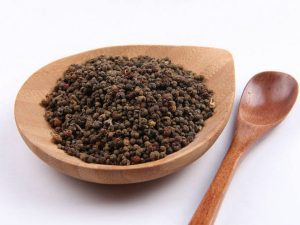
Evodia

Evodia is a commonly used medicinal herb for warming the interior. It consists of the dried, nearly ripe fruits of the Rutaceae plants Evodia rutaecarpa (Juss.) Benth., Evodia rutaecarpa (Juss.) Benth. var. officinalis (Dode) Huang, or Evodia rutaecarpa (Juss.) Benth. var. bodinieri (Dode) Huang. It has the therapeutic effects of dispelling cold and relieving pain, subduing counterflow and stopping vomiting, and tonifying yang to stop diarrhea. It is used to treat Jueyin-type headaches, abdominal pain due to cold hernia, cold-damp beriberi, menstrual abdominal pain, epigastric and abdominal distension and pain, vomiting and regurgitation of acid, and early-morning diarrhea.

Mule Deer Fat

Milezhi, a name in traditional Chinese medicine. It is the fat of the sika deer (Elaphurus davidianus Milne-Edwards) of the Cervidae family. This species is endemic to China; it was already being raised in Nanyuan, Beijing, during the Qing Dynasty but did not occur in the wild. It was later transported to the United Kingdom, and the species became extinct in China.In the late 1980s, the British government returned the species to China; it is now bred in Beijing and Jiangsu and is classified as a Class I nationally protected animal. It is believed to promote blood circulation, dispel wind and cold, moisturize the skin, and detoxify. It is primarily used to treat conditions such as wind-cold-heat bi syndrome, stiffness and weakness of the limbs, wind-induced swelling of the head and face, boils, abscesses, and malignant sores, as well as facial blisters and pustules.

Licorice Root for Bloating: Natural Gut Relaxation & Digestive Relief

Licorice root is one of the most gentle yet effective herbal remedies for stubborn stomach bloating, post-meal fullness, and sluggish digestion. As a herbal pharmacist, I recommend licorice for anyone who regularly feels tight, puffy, or gassy after eating—especially when bloating is paired with mild stomach irritation, slow gut motility, or low-grade digestive inflammation. A … Read more
Licorice Root for Stomach Ulcers: Natural Mucosa Healing Guide

If you’ve ever dealt with stomach ulcers, you know how brutal the symptoms can be—sharp stabbing stomach pain, burning emptiness especially on an empty stomach, night-time stomach flares, slow digestion, and even mild bloating that just won’t go away. As a herbal pharmacist, I recommend licorice root (especially DGL) as one of the most evidence-backed … Read more

Licorice Root for Gastritis: Natural Gut Repair

If you struggle with gastritis, you know how disruptive those daily stomach discomforts can be—constant dull stomach aches, bloating after meals, lingering stomach burning, nausea, or that heavy “full” feeling that never goes away. As a herbal pharmacist, licorice root is one of my go-to natural herbs for mild and chronic gastritis, and it’s far … Read more

Licorice Root for Acid Reflux: Natural Relief for Heartburn

If you deal with occasional acid reflux, heartburn, or that annoying burning sensation creeping up your chest after eating spicy food, heavy meals, or late-night snacks—you’ve probably hunted for gentle, natural solutions to fix it. As a herbal pharmacist, I get asked all the time: Does licorice root actually work for acid reflux? The short … Read more

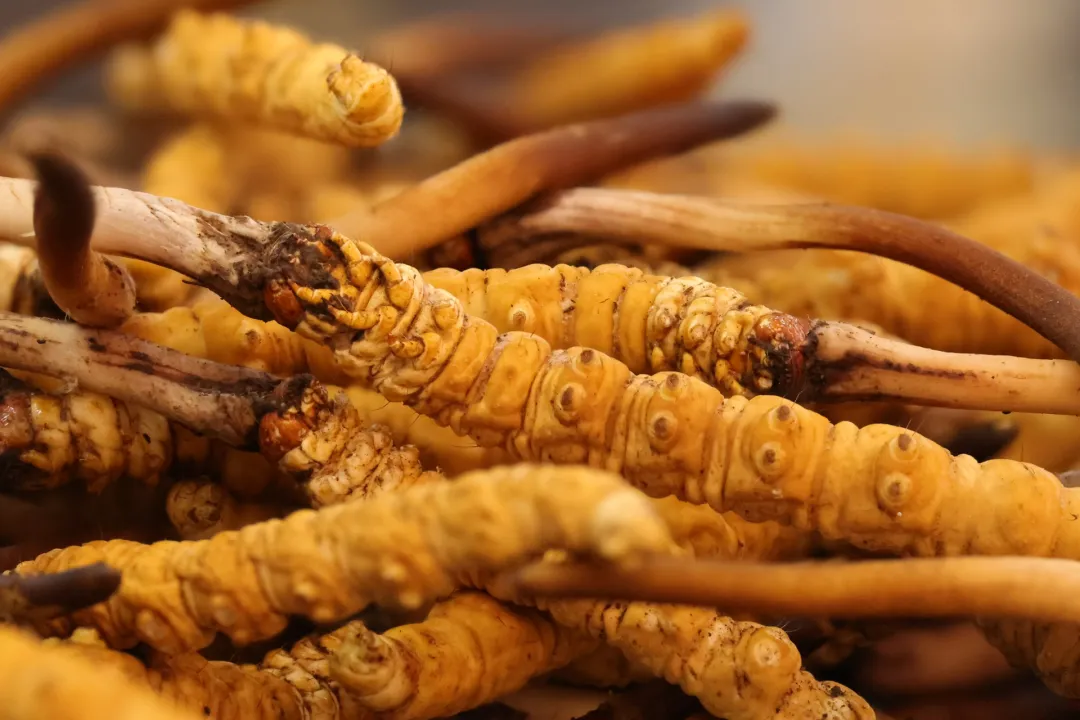
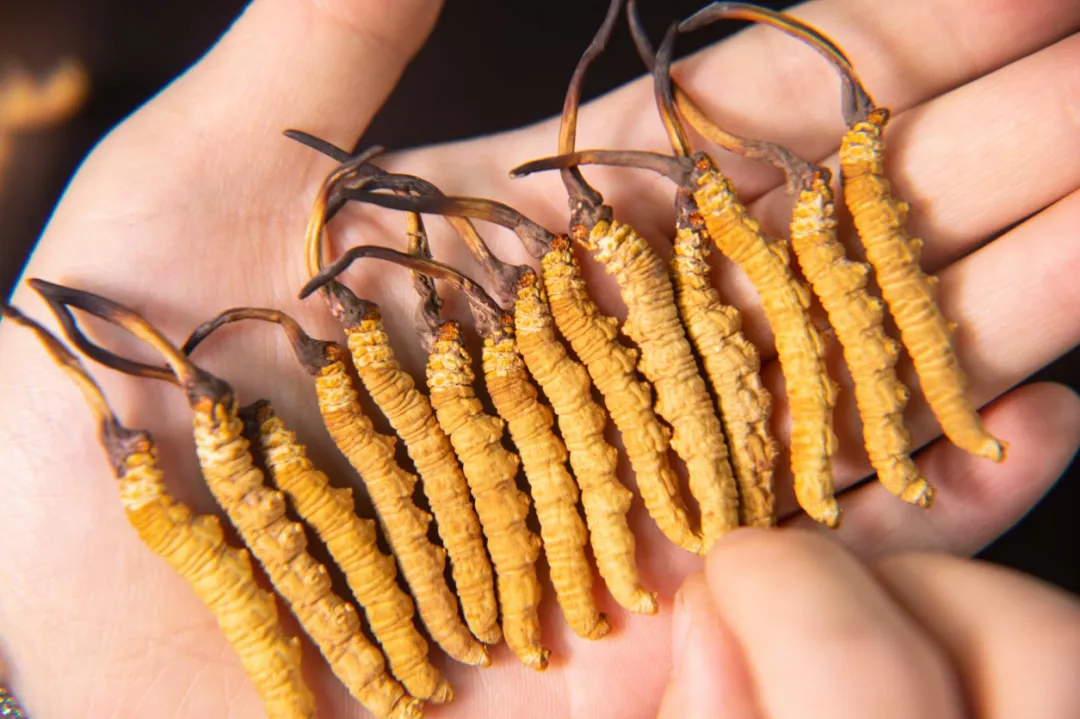
Wild First‑Harvest Fresh Cordyceps from Yushu, Qinghai

Wild First‑Harvest Fresh Cordyceps Wild First‑Harvest Fresh Cordyceps from Yushu, Qinghai

For wellness enthusiasts who value premium tonic ingredients, few natural treasures command the same respect as Ophiocordyceps sinensis, also known as winter‑worm‑summer‑grass. Alongside ginseng and deer antler, wild cordyceps earns its nickname “soft gold of the snowlands”. We are bringing you authentic wild first‑harvest fresh cordyceps freshly dug from high‑altitude grasslands in Yushu, Qinghai. Airlifted … Read more

Yushu vs Nagqu Cordyceps: Comparison of Two Top‑Tier Producing Zones

Yushu VS Nagqu Cordyceps Yushu vs Nagqu Cordyceps: Comparison of Two Top‑Tier Producing Zones

Wild Ophiocordyceps sinensis mainly concentrates on the Qinghai‑Tibet Plateau. Nagqu (Xizang) and Yushu (Qinghai) are universally recognised as two premium Daodi producing zones, supplying most high‑grade wild cordyceps for global TCM and wellness markets. Many buyers get confused when choosing between them. Neither side is absolutely “better”; they each carry unique strengths shaped by local … Read more

How Much Is Wild Yushu Cordyceps Per Gram in 2026?

Wild Yushu Cordyceps Per Gram in 2026 How Much Is Wild Yushu Cordyceps Per Gram in 2026?

If you have shopped for wild cordyceps before, you may notice huge price gaps for products labelled “Yushu cordyceps”. Some listings sell for dozens of RMB per gram while others go for several hundred RMB per gram. What creates such massive differences? This article unpacks what shapes cordyceps pricing and helps you avoid overpaying or … Read more

Qinghai Cordyceps: Origin, Harvest, and Geographical Indication

Qinghai Cordyceps Qinghai Cordyceps: Origin, Harvest, and Geographical Indication

Qinghai cordyceps (Ophiocordyceps sinensis) is a precious wild plateau medicinal herb and official national geographical‑indication product of China. Produced mainly in the Sanjiangyuan (Three‑River‑Source) area, Qinghai contributes over 60 % of China’s total wild cordyceps output, with Yushu Tibetan Autonomous Prefecture as its most‑renowned core producing hub.Zaduo County under Yushu is widely known as “Hometown of … Read more

Why Nagqu Tibetan Cordyceps Is the World’s Best Wild Herb

Tibetan cordyceps (Ophiocordyceps sinensis), mainly harvested in Nagqu, northern Xizang, has earned its global reputation as top‑tier wild caterpillar‑fungus herb. It is not marketing hype, but formed by irreplaceable high‑altitude terroir, multi‑year natural growth, strict local harvesting norms and official origin‑protection frameworks. Compared with cordyceps from lower‑elevation producing zones, genuine Tibetan cordyceps shows obvious strengths … Read more