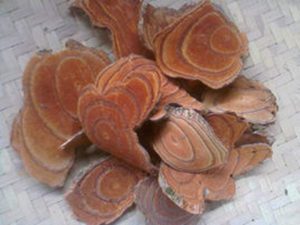
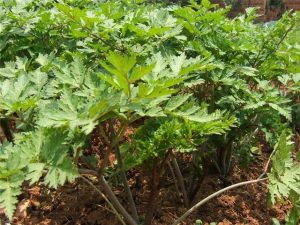
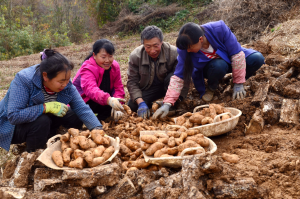
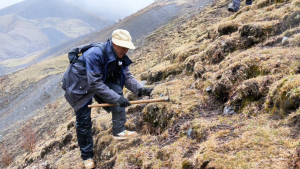
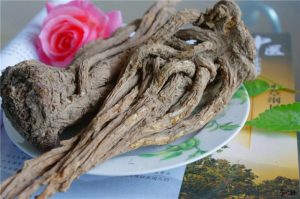
Dong Quai
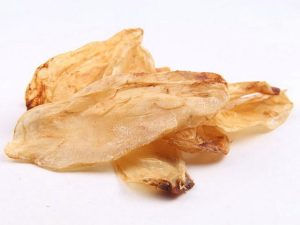
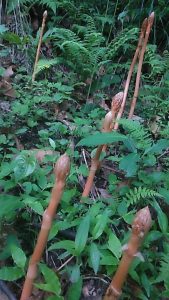
Gastrodia Elata
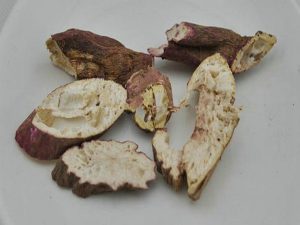
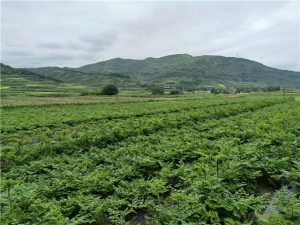
Astragalus
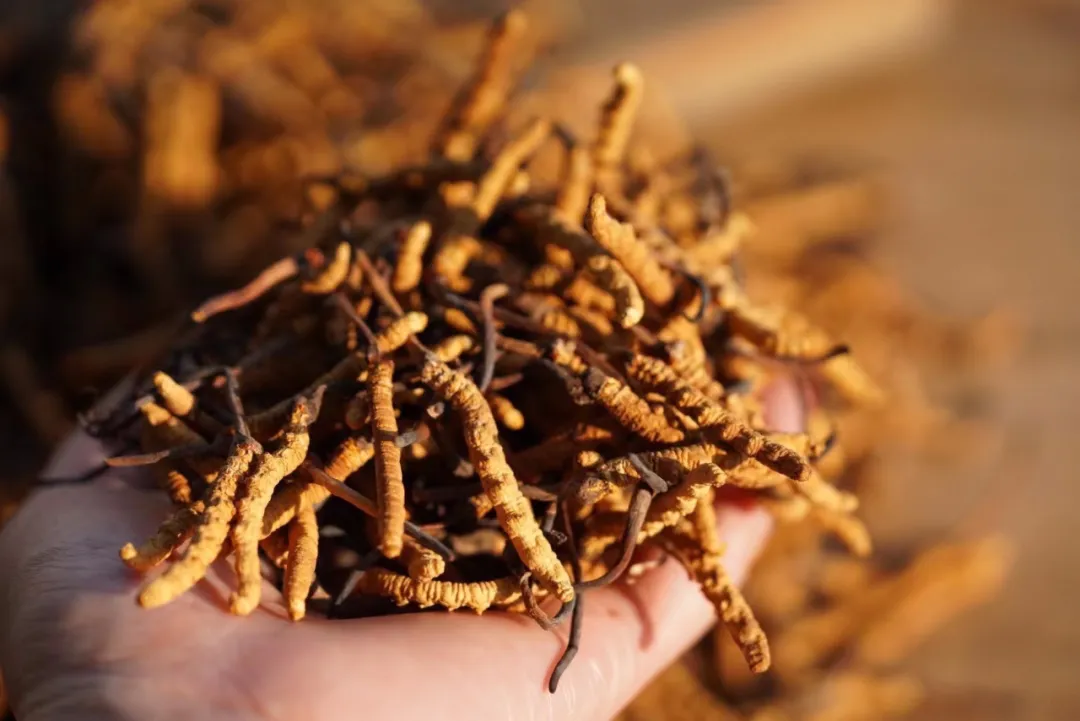
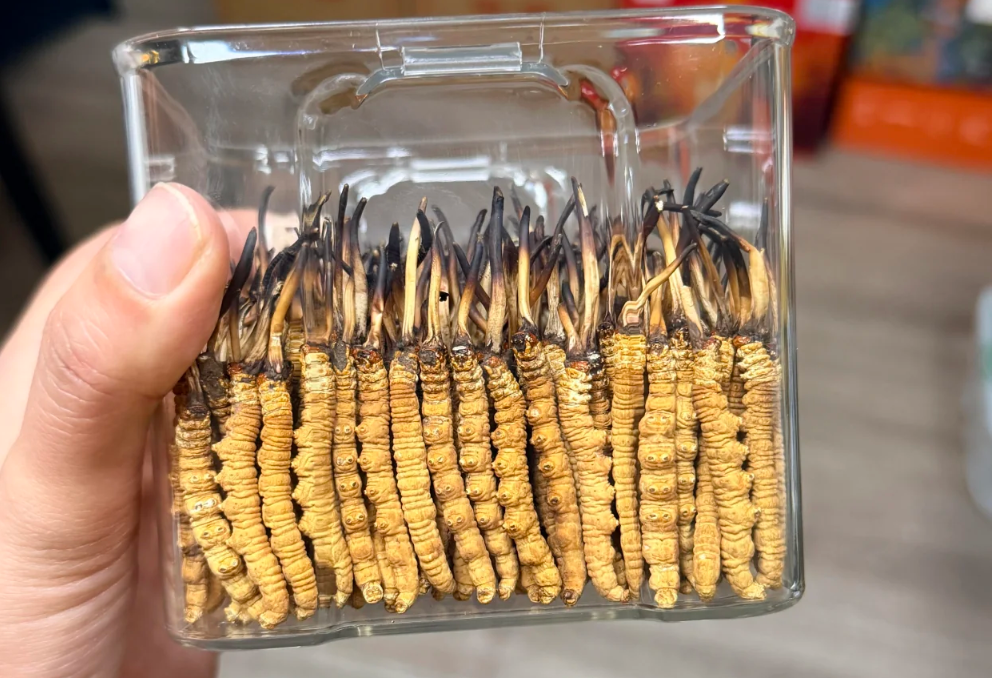
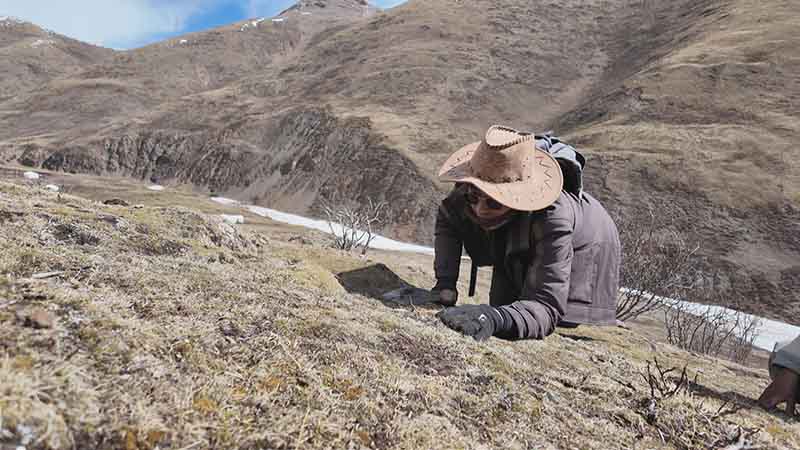
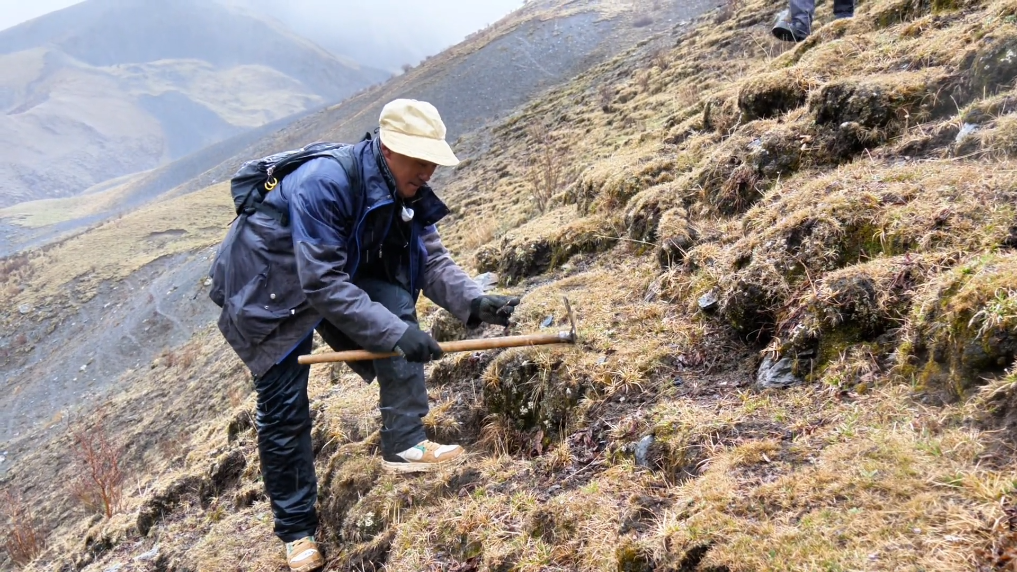
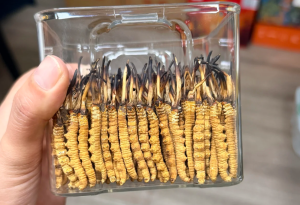
Cordyceps sinensis
cordyceps tea
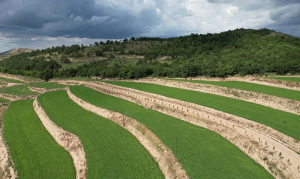
Grains
Legumes

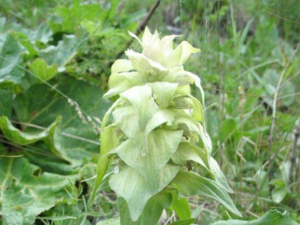
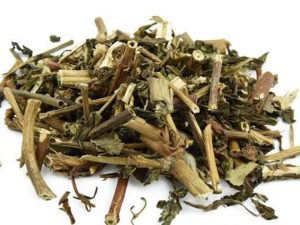
Verbena

Verbena is a herb used to promote blood circulation and regulate menstruation. It consists of the dried aerial parts of Verbena officinalis L., a plant of the Verbenaceae family, and is primarily produced in Hubei, Jiangsu, Guizhou, and Guangxi.This herb has the effects of promoting blood circulation, dispersing blood stasis, detoxifying, promoting diuresis, alleviating jaundice, and treating malaria. It is primarily used to treat masses and accumulations, dysmenorrhea and amenorrhea, sore throat, boils and swellings, edema, jaundice, and malaria.

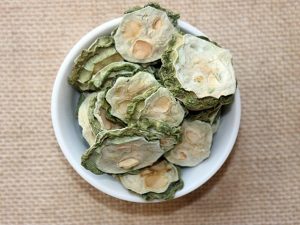
Curcuma

Curcuma is a name for a traditional Chinese medicine. It refers to the dried rhizomes of plants in the genus Curcuma of the Zingiberaceae family, specifically Curcuma wenyujin Y.H.Chen et C.Ling (Wenyujin), Curcuma longa L. (Turmeric), Curcuma kwangsiensis S.G.Lee et C.F.Liang (Guangxi Curcuma), or Curcuma phaeocaulis Val. (Peng Curcuma).The first two are commonly known as “Wenyujin” and “Huangsi Yujin,” respectively, while the others are commonly referred to as “Guiyujin” or “Lüsi Yujin” based on their different characteristics. It has the effects of promoting blood circulation and relieving pain, regulating qi and alleviating depression, clearing the heart and cooling the blood, and promoting bile secretion to relieve jaundice.It is primarily used to treat stabbing pain in the chest and flanks, chest pain due to chest obstruction, amenorrhea and dysmenorrhea, breast distension and pain, mental confusion due to febrile diseases, epilepsy and mania, vomiting and nosebleeds caused by blood heat, and jaundice with dark urine.

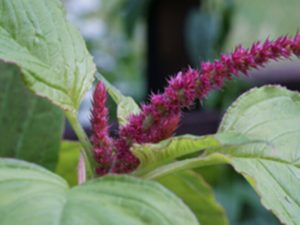
Bawangbian

Bawangbian is the name of a traditional Chinese medicine. It belongs to the Euphorbiaceae family, genus Euphorbia. It is distributed in Guangxi, Sichuan, Yunnan, and other regions. The white milky sap from the stems, leaves, or stem pith is used medicinally; it has a bitter and astringent taste and is effective in dispelling wind, detoxifying, killing parasites, and relieving itching. It is commonly used to treat toxic sores, tinea, and edema.

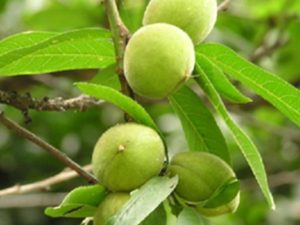
Tengcha

Vine Tea, a name in traditional Chinese medicine. It consists of the branches and leaves of Ampelopsis grossedentata (Hand.-Mazz.) W. T. Wang, a plant belonging to the genus Ampelopsis in the Vitaceae family. It has the effects of clearing heat, detoxifying, promoting diuresis, and reducing swelling. It is primarily used to treat wind-heat colds, sore throat, jaundice-type hepatitis, red and swollen eyes, boils and abscesses, diabetes, hyperlipidemia, and hypertension.

Gastrodia elata allergy symptoms rash itching

Gastrodia elata allergy is relatively uncommon, with an overall incidence below 1%, mostly occurring in people allergic to orchids, pollen or herbal plants. It primarily presents with skin rash and itching as typical symptoms, and may involve digestive, respiratory and systemic allergic reactions in moderate to severe cases. Allergic reactions can occur either from oral … Read more

Tolerance build up after taking Tianma regularly

Gastrodia elata can produce mild physiological tolerance with repeated regular consumption, meaning the same dosage gradually delivers weaker effects on dizziness relief, sedation and blood pressure regulation over time. This adaptive change arises from nervous system and vascular accommodation, rather than chemical addiction, and can be reversed with proper rest cycles. 1. How tolerance develops … Read more

Long term gastrodia elata liver kidney damage risk

Gastrodia elata itself is classified as a non-toxic medicinal herb in traditional Chinese medicine and modern toxicology studies; pure cultivated gastrodia does not directly cause liver necrosis or kidney lesions when used at standard doses. Nevertheless, long-term uninterrupted daily intake still creates cumulative metabolic stress and indirect organ injury risks, while inferior wild or sulfur-fumigated … Read more

How many weeks can you continuously take Gastrodia elata

Gastrodia elata should not be taken continuously every day indefinitely. For regular adults doing daily health maintenance (relieving dizziness, nervous tension, mild insomnia), the safe continuous intake cycle is 2 weeks (14 days maximum), then stop for 3–5 days before resuming another cycle. Under medical supervision for therapeutic purposes only, continuous administration can extend to … Read more

Is it safe to take Gastrodia elata every day long term

Gastrodia elata cannot be safely consumed every single day over the long term without interruption, even pure cultivated sulfur-free gastrodia carries cumulative side effects when taken daily continuously, and only intermittent cyclic administration conforms to safe medication rules recognized by traditional Chinese medicine and modern pharmacology. 1. Health risks of daily long-term uninterrupted intake (1) … Read more

Wild vs cultivated Gastrodia elata safety difference

Gastrodia elata is globally famous for relieving vertigo, soothing nerves and protecting cerebral blood vessels, yet wild Gastrodia elata and artificially cultivated Gastrodia elata display tremendous gaps in safety risks, pollutant exposure, pharmacological stability and legal compliance, making standardized cultivated Gastrodia elata the safer choice for daily oral intake, skincare raw material application and long-term … Read more

Gastrodia elata interact with blood pressure medicine

Gastrodia elata is a widely used medicinal herb for relieving dizziness, calming nerves, improving cerebral circulation, and assisting blood pressure regulation, but it produces significant pharmacological interactions with common prescription blood pressure medications that all hypertensive users must understand to avoid adverse health risks. Rich in gastrodin, parishin, and gastrodia polysaccharides, Gastrodia elata naturally dilates … Read more

Can you take Gastrodia elata while pregnant breastfeeding

Routine oral consumption is not recommended during pregnancy and breastfeeding; only tiny dietary doses under professional TCM physician supervision are permitted for specific illnesses, self-administration is strictly forbidden. Topical skincare use of gastrodia extract cosmetics is relatively safer (with patch testing first). 1. Pregnancy (Gestational Period) Reasons for caution & prohibition of self-use Allowed situation … Read more

Gastrodia elata side effects contraindications

Gastrodia elata Covers oral consumption, external skincare use, crowds forbidden to use, dosage risks and drug incompatibility. Part 1: Side Effects 1. Adverse reactions from oral overconsumption / long-term continuous use 2. Side effects of external skin care (gastrodia extract essence, mask) 3. Special crowd adverse manifestations Pregnant women, infants taking Tianma privately may experience … Read more

Gastrodia elata anti aging skin care

INCI Name: Gastrodia Elata Root Extract Key actives: gastrodin, parishin, gastrodia polysaccharides, vanillyl alcohol, phenolic antioxidants Safe cosmetic dosage: 0.3%–1.0%; 0.6%–1.0% for intensive anti-aging formulasPubMed. Seven Core Anti-Aging Skin Benefits & Molecular Mechanisms 1. Boost Collagen & Elastin Synthesis, Reverse Dermal Sagging (Core Anti-Wrinkle Effect) 2. Powerful Antioxidation & Anti-Glycation, Prevent Yellowing & Premature Aging … Read more