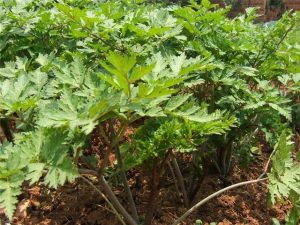
Dong Quai
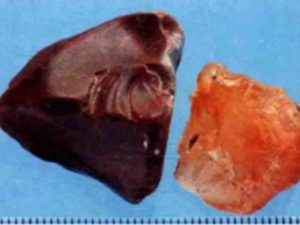
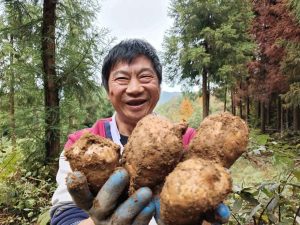
Gastrodia Elata
Astragalus
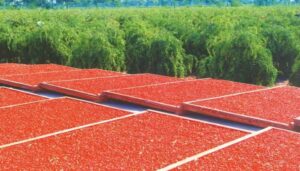
Goji berries
Licorice
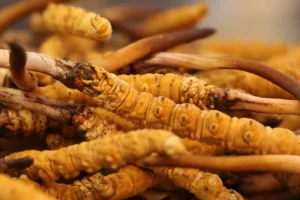
Cordyceps
Chuanxiong

Di Gu Liu

Di Gu Liu, a name in traditional Chinese medicine. It refers to the aged roots of the plant Raphanus sativus L. (family Brassicaceae) harvested after flowering and seed set.Native to China, it is cultivated throughout the country and has a large number of cultivated varieties. It has the therapeutic effects of promoting qi circulation, eliminating food stagnation, resolving phlegm, quenching thirst, and promoting diuresis to reduce swelling. It is commonly used for food stagnation and qi stagnation, abdominal distension and fullness, dysentery, cough with excessive phlegm, diabetes, beriberi, and edema.

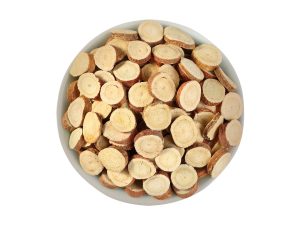
Licorice Slices

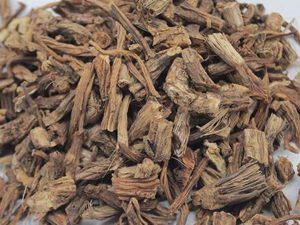
Licorice Slices are a type of traditional Chinese medicine prepared from the dried roots and rhizomes of the leguminous plants Glycyrrhiza, Glycyrrhiza glabra, or Glycyrrhiza glabra var. glabra, processed through steps such as cleaning and slicing.According to traditional medicine, they have a sweet taste and a slightly cool nature, entering the Heart, Lung, Spleen, and Stomach meridians. They are believed to tonify the spleen and boost qi, clear heat and detoxify, eliminate phlegm and relieve cough, and relieve spasms and alleviate pain. Clinically, they are commonly used to treat conditions such as spleen and stomach deficiency, insufficiency of heart qi, abscesses, swellings, and toxic sores, cough with excessive phlegm, and spasmodic pain in the epigastrium, abdomen, or limbs.In addition, licorice slices harmonize the actions of other herbs, enabling the ingredients in a formula to work in synergy and achieve a more effective overall therapeutic outcome; therefore, they are widely used in herbal formulas.

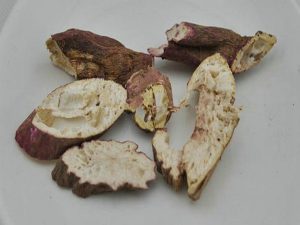
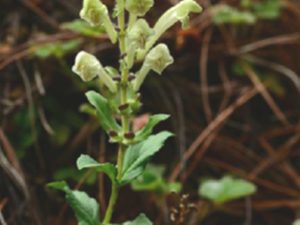
Lijiang Scutellaria

Lijiang Scutellaria, a name in traditional Chinese medicine. It is the root of Scutellaria likiangensis Diels, a plant in the Lamiaceae family. It is distributed in northwestern Yunnan. It has the effects of clearing heat and detoxifying, as well as stopping bleeding and stabilizing the fetus. It is commonly used for menopausal menorrhagia and fetal restlessness caused by internal heat.

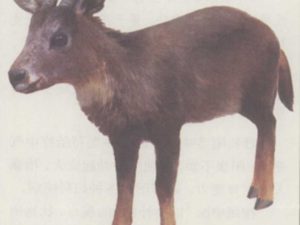
Goatskin

Goatskin is the name of a traditional Chinese medicinal material. It is the skin of the mountain goat (Capra hircus Linnaeus) or the sheep (Ovis aries Linnaeus), both members of the Bovidae family. It has the effects of tonifying deficiency, removing blood stasis, and reducing swelling. It is primarily used to treat debility and weakness due to deficiency, deficiency of lung and spleen qi, swelling and pain from trauma, and bleeding caused by poisonous insects.

Wild vs cultivated Gastrodia elata safety difference

Gastrodia elata is globally famous for relieving vertigo, soothing nerves and protecting cerebral blood vessels, yet wild Gastrodia elata and artificially cultivated Gastrodia elata display tremendous gaps in safety risks, pollutant exposure, pharmacological stability and legal compliance, making standardized cultivated Gastrodia elata the safer choice for daily oral intake, skincare raw material application and long-term … Read more

Gastrodia elata interact with blood pressure medicine

Gastrodia elata is a widely used medicinal herb for relieving dizziness, calming nerves, improving cerebral circulation, and assisting blood pressure regulation, but it produces significant pharmacological interactions with common prescription blood pressure medications that all hypertensive users must understand to avoid adverse health risks. Rich in gastrodin, parishin, and gastrodia polysaccharides, Gastrodia elata naturally dilates … Read more

Can you take Gastrodia elata while pregnant breastfeeding

Routine oral consumption is not recommended during pregnancy and breastfeeding; only tiny dietary doses under professional TCM physician supervision are permitted for specific illnesses, self-administration is strictly forbidden. Topical skincare use of gastrodia extract cosmetics is relatively safer (with patch testing first). 1. Pregnancy (Gestational Period) Reasons for caution & prohibition of self-use Allowed situation … Read more

Gastrodia elata side effects contraindications

Gastrodia elata Covers oral consumption, external skincare use, crowds forbidden to use, dosage risks and drug incompatibility. Part 1: Side Effects 1. Adverse reactions from oral overconsumption / long-term continuous use 2. Side effects of external skin care (gastrodia extract essence, mask) 3. Special crowd adverse manifestations Pregnant women, infants taking Tianma privately may experience … Read more

Gastrodia elata anti aging skin care

INCI Name: Gastrodia Elata Root Extract Key actives: gastrodin, parishin, gastrodia polysaccharides, vanillyl alcohol, phenolic antioxidants Safe cosmetic dosage: 0.3%–1.0%; 0.6%–1.0% for intensive anti-aging formulasPubMed. Seven Core Anti-Aging Skin Benefits & Molecular Mechanisms 1. Boost Collagen & Elastin Synthesis, Reverse Dermal Sagging (Core Anti-Wrinkle Effect) 2. Powerful Antioxidation & Anti-Glycation, Prevent Yellowing & Premature Aging … Read more

Tianma (Gastrodia Elata) facial serum ingredient efficacy

Main active molecules: gastrodin, parishin, gastrodia polysaccharide, vanillyl alcohol Efficacy Common Matching Ingredients & Synergistic Effects 1. Centella Asiatica Extract Synergy with gastrodia: double anti-inflammation + barrier repair. Gastrodia calms nerve redness, centella repairs damaged cuticle, accelerates healing of broken barrier, suitable for sensitive skin with frequent redness. 2. Panthenol (Vitamin B5) Hydrate and soothe, … Read more

Gastrodia elata extract skincare benefits

Gastrodia elata root extract (INCI: Gastrodia Elata Root Extract) is a multi-functional botanical cosmetic raw material officially included in China’s Used Cosmetic Ingredient Catalogue. Its core active substances: gastrodin, parishin, gastrodia polysaccharides, luteolin & vanillyl alcohol, deliver combined effects of anti-oxidation, anti-photoaging, barrier repair, soothing sensitivity, collagen boosting, mild brightening & anti-inflammatory acne care. Different … Read more

Gastrodia elata for menopause dizziness hot flashes

Menopausal hot flashes, flushing, sudden sweating, vertigo, tinnitus, irritability and insomnia mainly stem from ovarian estrogen decline, vasomotor dysfunction, hypothalamic nerve disturbance, combined with liver-yang ascending, liver wind stirring internally, yin deficiency generating internal heat in traditional Chinese medicine. In modern medicine, estrogen fluctuation triggers excessive sympathetic nerve excitation, cerebral vasospasm, elevated oxidative stress in … Read more

Gastrodia elata protect brain from oxidative stress

Oxidative stress arises from an imbalance between free radical production and endogenous antioxidant defenses in the brain. Excess reactive oxygen species (ROS) attack brain neurons, vascular endothelium, cell membranes and mitochondrial structures, triggering neuronal aging, neuroinflammation, apoptosis and cognitive damage. Chronic stress, aging, ischemia, poor sleep, hyperglycemia and heavy mental work will exacerbate cerebral oxidative … Read more

Gastrodia elata relieve Tourette’s nervous twitch

Gastrodia elata (Tianma, also called wind-calming herb) acts as a natural anti-convulsive botanical. Its active gastrodin & parishin cross the blood-brain barrier, regulate GABA/glutamate/dopamine balance in the striatum, suppress microglial neuroinflammation, calm overexcited motor nerves, reduce tic episodes without heavy sedation or dependence, serving as safe auxiliary intervention for mild-to-moderate Tourette’s nervous twitching. Tourette’s Syndrome … Read more