Dong Quai
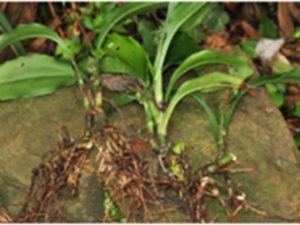
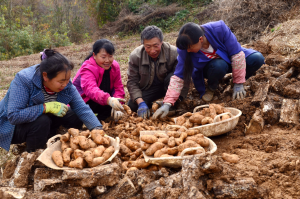
Gastrodia Elata
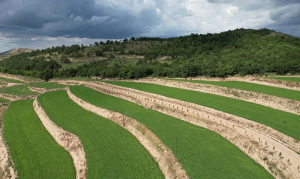
Astragalus
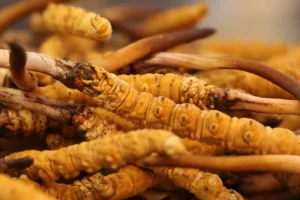
Cordyceps sinensis
cordyceps tea
Grains
Legumes

White Goose Grease

White Goose Fat is the name of a traditional Chinese medicinal ingredient. It is the fat derived from the domestic goose (Ansercygnoides domestica Brisson), a member of the duck family. It has the effects of moisturizing the skin and relieving swelling caused by toxins. It is primarily used to treat chapped skin, deafness and ear discharge, dysphagia and regurgitation, drug poisoning, abscesses, and scabies.

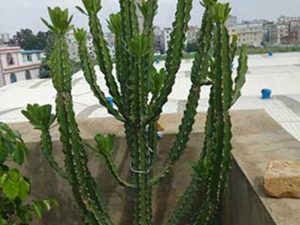
Cold-Region Euonymus

Cold-Region Euonymus, a name in traditional Chinese medicine. It refers to the branches of the plant Cold-Region Euonymus (Euonymus frigidus Wall. ex Roxb.) of the Celastraceae family. It is distributed in northwestern Yunnan and Tibet (Dingjie, Medog). It has the therapeutic effects of promoting blood circulation to remove blood stasis, resolving masses, regulating menstruation, and relieving pain. It is commonly used for abdominal pain caused by masses, irregular menstruation, postpartum fainting due to blood loss, and arthralgia.

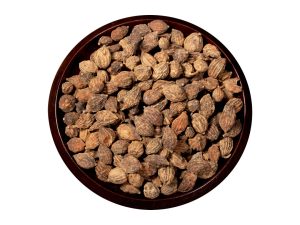
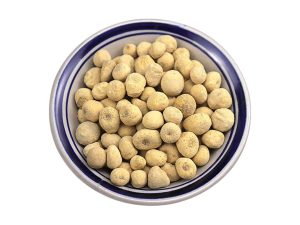
White Bean

White Bean, a name in traditional Chinese medicine. It refers to the seeds of Vigna unguiculata (L.) Walp. var. cylindrica (L.) Ohashi, a plant in the genus Vigna of the Fabaceae family. It is cultivated throughout China. It has the effects of tonifying the middle burner and boosting qi, as well as strengthening the spleen and kidneys. It is primarily used to treat spleen and kidney deficiency and edema.

Eucalyptus Oil

Eucalyptus oil, a name in traditional Chinese medicine. It is an essential oil obtained by steam distillation from the plants Eucalyptus globulus (family Myrtaceae) or Cinnamomum camphora (family Lauraceae), or from other plants of the same genus within these two families.Blue eucalyptus is cultivated throughout southern and southwestern China; camphor is distributed in Guangdong, Guangxi, Yunnan, Guizhou, Jiangsu, Zhejiang, Anhui, Fujian, Taiwan, Jiangxi, Hubei, Hunan, and Sichuan. It has the efficacy of dispelling wind and relieving pain. It is primarily used to treat skin itching and neuralgia.

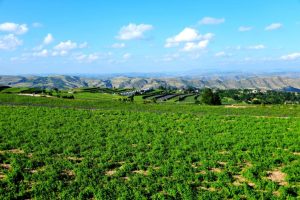
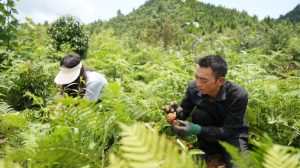
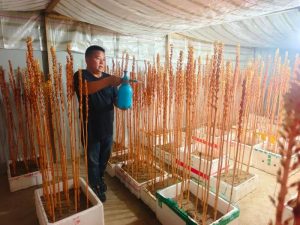
Ningqiang’s Wild-Simulated Gastrodia elata Herb Planting Bases

Located in the Qinba Mountain ecological corridor, Ningqiang County of Hanzhong City, Shaanxi Province, relies on abundant forest resources and superior mountain microclimate to build large-scale wild simulated herb planting bases dominated by black Gastrodia elata. Breaking the mode of open-field intensive cultivation, Ningqiang simulates the wild growth environment of wild gastrodia under natural forests, … Read more

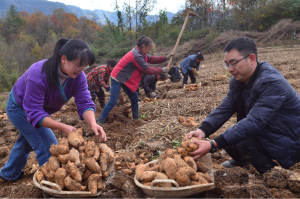
Ningqiang Black Gastrodia Elata GAP Chinese Medicinal Herb Base

As a core GAP Chinese medicinal herb base recognized by Shaanxi Province, Ningqiang Black Gastrodia Elata Base stands in Ningqiang County, Hanzhong City, Shaanxi Province, the birthplace of artificial Gastrodia elata cultivation in China. Backed by unique Qinba ecological conditions, over 50 years of planting heritage, proprietary strain technology, multi-level authoritative certifications and large-scale industrial … Read more

Daodi Gastrodia Elata Producing Area in Hanzhong Ningqiang

As a core Daodi Gastrodia elata producing area in China, Ningqiang County of Hanzhong City, Shaanxi Province, boasts unparalleled geographical advantages, standardized planting systems, authoritative quality certifications and robust industrial output capacity. With a 50-year history of artificial Gastrodia elata cultivation, it is honored as the cradle of artificial Gastrodia elata planting in China, forming … Read more

Best place to grow Gastrodia elata-Ningqiang, Hanzhong

Ningqiang Gastrodia elata: Ningqiang County has the largest area dedicated to Gastrodia elata cultivation in Hanzhong. The county is rich in Gastrodia elata cultivation resources, with 112,000 hectares of forests suitable for Gastrodia elata mycelium growth, a timber reserve of 3.71 million cubic meters, and more than 33,333 hectares of forest land suitable for ecological … Read more

Wild Gastrodia elata vs Cultivated

Wild Gastrodia elata is on the verge of depletion, and 90 percent of the “wild” products on the market are actually farm-grown. Yiliang Wu Gastrodia elata, cultivated under forest canopies in the Wumeng Mountains using semi-wild methods, grows naturally in pristine mountain forests. Its quality rivals that of wild Gastrodia elata, and the plump, firm … Read more

Use Gastrodia elata during cold fever period

Gastrodia elata mainly calms liver wind, relieves dizziness and unblocks meridians without antiviral, heat-clearing, detoxifying or sweat-inducing effects for colds. Taking Gastrodia elata randomly while suffering cold and fever will delay recovery and aggravate discomfort in most cases. 1. Why ordinary cold fever crowds should avoid Gastrodia elata Reason 1: Gastrodia elata has no therapeutic … Read more

Take Gastrodia elata before surgery safe or not

Gastrodia elata is widely used to relieve preoperative tension, insomnia and hypertension-induced dizziness, yet its pharmacological characteristics of inhibiting platelet aggregation, dilating blood vessels and calming the central nervous system create multiple surgical risks. Routine use of Gastrodia elata before an operation is unsafe and must be stopped in advance under surgical doctor guidance. 1. … Read more

Drive car after taking Gastrodia elata dangerous

Gastrodia elata contains gastrodin and parishin, natural active substances that calm the central nervous system, relieve anxiety and induce drowsiness. Driving after oral intake of Gastrodia elata poses definite traffic safety hazards, ranging from slow reaction speed to sudden drowsiness while driving. 1. Core dangers of driving after consuming Gastrodia elata Risk 1: Central sedation … Read more

People with severe weakness should not take Gastrodia elata

Gastrodia elata is a medicinal herb specialized in calming liver wind, unblocking meridians and relieving dizziness, yet it lacks tonifying, qi-replenishing effects. For patients suffering severe general debility, long-term or standalone consumption of Gastrodia elata will consume vital qi, aggravate fatigue and bring multiple hidden health hazards. Severely weak populations are not absolutely prohibited from … Read more