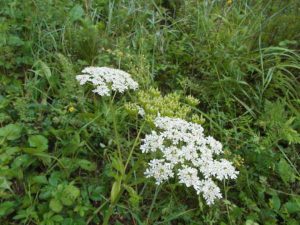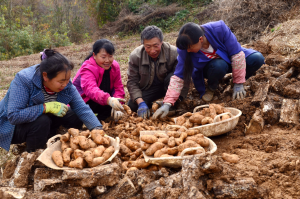
Dong Quai
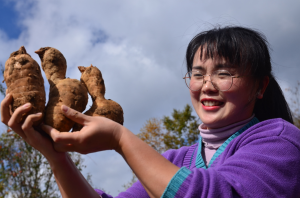
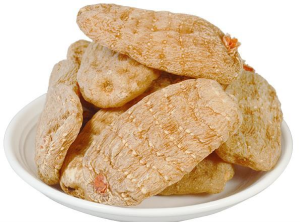
Gastrodia Elata
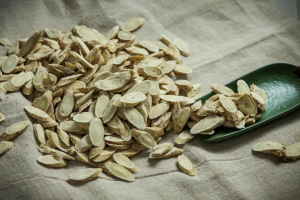
Astragalus
Goji berries
Licorice
Cordyceps
Chuanxiong

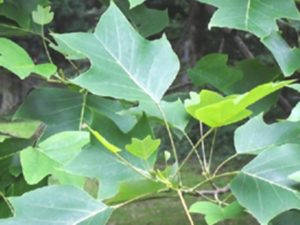
Chinese Tulip Tree

Liriodendron chinense, a name in traditional Chinese medicine.It refers to the roots and bark of Liriodendron chinense (Hemsl.) Sargent, a plant in the Magnoliaceae family. It is distributed in Shaanxi, Anhui, Zhejiang, Jiangxi, Fujian, Hubei, Hunan, Guangxi, Sichuan, Guizhou, Yunnan, and other regions. It has the effects of dispelling wind and dampness, relieving coughs, and strengthening tendons and bones. It is commonly used to treat rheumatic joint pain, muscle weakness, and coughs caused by wind and cold.

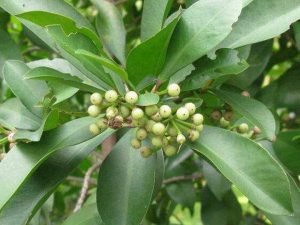
Shuiwengpi

Shuiwengpi is the name of a traditional Chinese medicine. It is the bark of the plant *Cleistocalyxoperculatus* (Roxb.) Merr. et Perry, belonging to the Myrtaceae family. It is distributed in Guangdong, Hainan, Guangxi, Yunnan, and other regions. It has the therapeutic effects of clearing heat and detoxifying, drying dampness, and killing parasites. It is used to treat damp-heat foot sores, eczema, scabies, skin ulcers caused by malnutrition, abscesses of the scrotum, and burns and scalds.

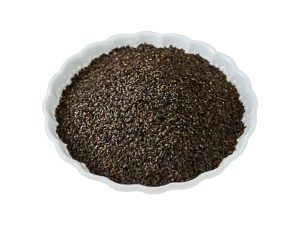
Plantain Seed

Plantain Seed, a name in traditional Chinese medicine, refers to the dried, mature seeds of the plants Plantago asiatica L. or Plantago depressa Willd. of the Plantaginaceae family. It is produced in most regions of China.This herb has the effects of clearing heat, promoting urination, relieving urinary obstruction, draining dampness, stopping diarrhea, improving vision, and eliminating phlegm. It is primarily used to treat painful and difficult urination due to heat, edema and abdominal distension, summer-dampness-induced diarrhea, red and swollen eyes, and coughs caused by phlegm-heat.

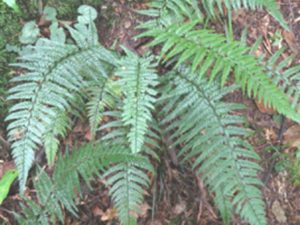
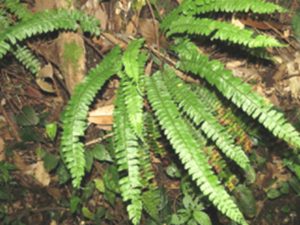
Opposite-leaved Ear Fern

Opposite-leaved ear fern, a name in traditional Chinese medicine. It refers to the whole plant of Polystichum deltodon (Bak.) Diels, a member of the Polypodiaceae family. It is distributed in Southwest China, as well as in Anhui, Taiwan, Hubei, Hunan, Guangdong, and Guangxi. It has the effects of promoting blood circulation, relieving pain, reducing swelling, promoting urination, and preventing colds. It is commonly used to treat contusions and sprains, as well as snake bites.

What’s The Difference Between Licorice Root vs. Black Licorice?

Licorice root is the raw medicinal herbal ingredient, while black licorice is a processed candy. As a herbal pharmacist, I find this is one of the most misunderstood distinctions among clients. Many people confuse the medicinal, wellness-focused licorice root supplement with sugary black licorice candy, assuming they work the same way and carry identical safety … Read more
Can You Take Licorice Root While Pregnant?

No, pregnant women should avoid regular full-spectrum licorice root entirely during all trimesters. As a herbal pharmacist with years of prenatal supplement consultation experience, I strictly advise all expecting clients to skip licorice tea, licorice extract, and high-licorice herbal blends throughout pregnancy. Unlike many mild herbs, licorice carries measurable, clinically proven fetal and maternal risks … Read more

Is Licorice Root Good for Cough?

Yes, licorice root is highly effective for soothing dry coughs, throat irritation, and persistent post-nasal drip coughs. As a herbal pharmacist, I recommend licorice root as a top natural respiratory remedy for scratchy throats, dry unproductive coughs, and mild lingering coughs that resist quick recovery. Unlike harsh cough suppressants that only numb symptoms, licorice soothes … Read more

Can Licorice Root Help Acid Reflux?

Yes, licorice root is one of the most effective natural herbal remedies for acid reflux, heartburn, and mild GERD symptoms. As a herbal pharmacist, I often recommend it for clients who struggle with frequent post-meal burning, throat irritation, sour stomach, and reflux that keeps coming back with antacid use alone. Unlike quick-fix medications that only … Read more

How Much Licorice Root Is Safe Per Day?

Licorice root daily safe dosage varies drastically based on whether you use regular full-spectrum licorice or DGL licorice. As a herbal pharmacist, I find incorrect dosing is the top cause of avoidable licorice side effects. Many users take unregulated high doses daily without knowing the strict safety limits for standard licorice, while severely underusing DGL … Read more

What Is DGL Licorice Used For?

DGL Licorice (Deglycyrrhizinated Licorice) is a specially processed, safe form of licorice root designed exclusively for long-term digestive tract healing. As a herbal pharmacist, I always distinguish DGL from regular licorice because their uses, safety profiles, and target benefits are completely different. While regular licorice focuses on adrenal and cortisol support, DGL is the gold-standard … Read more

Is Licorice Root Safe to Take Daily?

Licorice root is not universally safe for daily long-term use—and the answer depends entirely on which type of licorice you are taking. As a herbal pharmacist, this is one of the most frequently asked safety questions. The simple rule: DGL licorice is safe for daily use, while regular full-spectrum licorice is NOT safe for continuous … Read more

What Are Side Effects of Licorice Root?

Licorice root offers powerful natural benefits for digestion, adrenal health, cortisol balance, and inflammation relief, but improper long-term use can cause noticeable side effects. As a herbal pharmacist, I see many clients experience avoidable issues simply because they confuse regular licorice with DGL licorice or use full-spectrum licorice non-stop without cycling. Nearly all licorice root … Read more

Does Licorice Root Raise Blood Pressure?

Licorice root can raise blood pressure—but only the regular, full-spectrum version. As a herbal pharmacist, this is the number one safety question I get about licorice, and the confusion almost always comes from mixing up regular licorice and DGL licorice. These two forms act completely differently on your blood pressure and electrolyte balance. Disclaimer: This … Read more

What Is Licorice Root Good For?

Licorice root is one of the most versatile, multi-benefit medicinal herbs used in both Traditional Chinese Medicine and modern Western herbal therapy. As a herbal pharmacist, I often call licorice a “natural body balancer” because it doesn’t just treat single symptoms—it repairs, soothes, and regulates multiple systems in your body. Many people only know licorice … Read more