Dong Quai
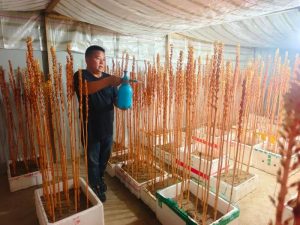
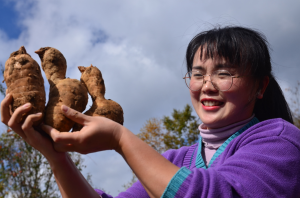
Gastrodia Elata
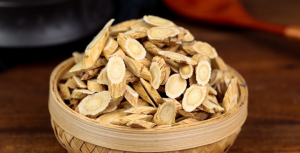
Astragalus
Cordyceps sinensis
cordyceps tea
Grains
Legumes

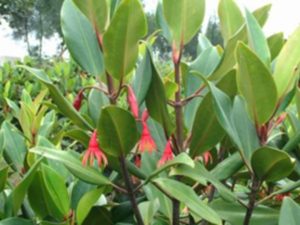
Southwest Camellia

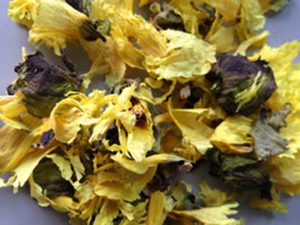
Southwest Camellia, a name in traditional Chinese medicine. It refers to the flower of the Southwest Red Camellia (Camellia pitardii Coh.-St.), a plant belonging to the genus Camellia in the family Theaceae.It is distributed in Hunan, Guangxi, Sichuan, Yunnan, and Guizhou. It has the effects of detoxifying and reducing inflammation, astringing to stop dysentery, promoting blood circulation to stop bleeding, and regulating menstruation. It is used for dysentery, intestinal bleeding, acute gastroenteritis, irregular menstruation, nosebleeds, hemoptysis, rheumatic pain, arthritis, rectal prolapse, and burns and scalds.

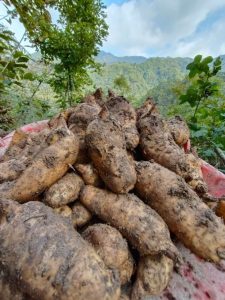
Vine Notoginseng

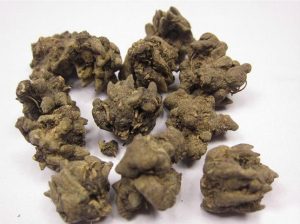
Teng Sanqi is the name of a traditional Chinese medicine. It consists of the dried, tuberous bulblets found on the vines of Anredera cordifolia (Tenore) van Steen., a plant in the Malvaceae family. It has the effects of tonifying the kidneys and strengthening the lower back, as well as dispersing blood stasis and reducing swelling. It is primarily used to treat pain and stiffness in the lower back and knees, post-illness weakness, trauma, and fractures.

Luffa Sponge

Luffa Sponge, a name in traditional Chinese medicine, refers to the vascular bundles of the dried, mature fruit of Luffa cylindrica (L.) Roem., a plant belonging to the genus Luffa in the Cucurbitaceae family. It is primarily produced in Jiangsu and Zhejiang provinces. This product has the effects of dispelling wind, unblocking meridians, promoting blood circulation, and stimulating lactation. It is primarily used to treat arthralgia and stiffness, distension and pain in the chest and flanks, insufficient lactation, and swollen and painful mastitis.

Dense-flowered Maytenus

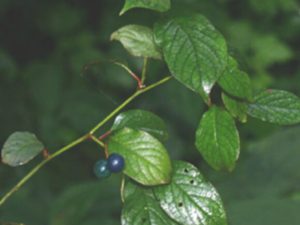
Dense-flowered Maytenus, a name in traditional Chinese medicine. It refers to the leaves of Maytenus confertiflorus J. Y. Luo et X. X. Chen, a plant belonging to the genus Maytenus in the Celastraceae family. The plant is distributed in Guangxi. It has the effects of removing blood stasis, relieving pain, detoxifying, and reducing swelling. It is primarily used to treat contusions and sprains, as well as lower back pain, and possesses antitumor properties; in modern times, it has been experimentally used to treat cancer.

Tianma (Gastrodia Elata) facial serum ingredient efficacy

Main active molecules: gastrodin, parishin, gastrodia polysaccharide, vanillyl alcohol Efficacy Common Matching Ingredients & Synergistic Effects 1. Centella Asiatica Extract Synergy with gastrodia: double anti-inflammation + barrier repair. Gastrodia calms nerve redness, centella repairs damaged cuticle, accelerates healing of broken barrier, suitable for sensitive skin with frequent redness. 2. Panthenol (Vitamin B5) Hydrate and soothe, … Read more

Gastrodia elata extract skincare benefits

Gastrodia elata root extract (INCI: Gastrodia Elata Root Extract) is a multi-functional botanical cosmetic raw material officially included in China’s Used Cosmetic Ingredient Catalogue. Its core active substances: gastrodin, parishin, gastrodia polysaccharides, luteolin & vanillyl alcohol, deliver combined effects of anti-oxidation, anti-photoaging, barrier repair, soothing sensitivity, collagen boosting, mild brightening & anti-inflammatory acne care. Different … Read more

Gastrodia elata for menopause dizziness hot flashes

Menopausal hot flashes, flushing, sudden sweating, vertigo, tinnitus, irritability and insomnia mainly stem from ovarian estrogen decline, vasomotor dysfunction, hypothalamic nerve disturbance, combined with liver-yang ascending, liver wind stirring internally, yin deficiency generating internal heat in traditional Chinese medicine. In modern medicine, estrogen fluctuation triggers excessive sympathetic nerve excitation, cerebral vasospasm, elevated oxidative stress in … Read more

Gastrodia elata protect brain from oxidative stress

Oxidative stress arises from an imbalance between free radical production and endogenous antioxidant defenses in the brain. Excess reactive oxygen species (ROS) attack brain neurons, vascular endothelium, cell membranes and mitochondrial structures, triggering neuronal aging, neuroinflammation, apoptosis and cognitive damage. Chronic stress, aging, ischemia, poor sleep, hyperglycemia and heavy mental work will exacerbate cerebral oxidative … Read more

Gastrodia elata relieve Tourette’s nervous twitch

Gastrodia elata (Tianma, also called wind-calming herb) acts as a natural anti-convulsive botanical. Its active gastrodin & parishin cross the blood-brain barrier, regulate GABA/glutamate/dopamine balance in the striatum, suppress microglial neuroinflammation, calm overexcited motor nerves, reduce tic episodes without heavy sedation or dependence, serving as safe auxiliary intervention for mild-to-moderate Tourette’s nervous twitching. Tourette’s Syndrome … Read more

Gastrodia elata anti-inflammatory for chronic nerve pain

Gastrodia elata (Tianma) targets the core pathogenesis of neuroinflammation. Its active constituents gastrodin and parishin cross the blood-brain barrier and perineural tissues, suppress central & peripheral neuroinflammatory pathways, reduce inflammatory infiltration around nerve ganglia, stabilize overactive sensory nerves, and alleviate chronic nerve pain while repairing damaged nerve myelin sheaths, with no gastrointestinal irritation or addictive … Read more

Gastrodia elata for travel motion sickness dizziness

Gastrodia elata gently stabilizes vestibular nerve excitability, relieves vestibular vasospasm and suppresses vestibular inflammation, easing travel dizziness and carsickness without obvious sedative side effects. Motion sickness (car sickness, seasickness, airsickness) arises from sensory mismatch between the vestibular system, eyes and proprioception, combined with vestibular nerve hyper-excitability, vestibular neuroinflammation, vestibular artery vasospasm, plus liver-yang ascending upward … Read more

Gastrodia elata support GABA levels calm nervous system

Gastrodia elata (Gastrodia tuber) is a natural botanical nervine regulator. Its core active ingredients gastrodin and parishin promote endogenous GABA synthesis and release in the brain, suppress overactive glutamate excitatory signaling, gently balance the excitatory–inhibitory nervous system without artificially overstimulating GABA receptors. It relieves nervous agitation, stabilizes mood, relieves muscle tension and nerve spasms safely … Read more

Gastrodia elata relieve facial neuralgia trigeminal pain

Gastrodia elata (Tianma) is classic wind-calming herb for facial convulsion and wind-type facial pain in traditional Chinese medicine. Its active ingredients gastrodin, parishin penetrate blood-brain barrier, suppress neuroinflammation around trigeminal ganglion, stabilize overexcited trigeminal nerve, relieve facial paroxysmal pain without strong sedative side effects. This paper elaborates its curative value, applicable groups, dual Chinese & … Read more

Gastrodia elata for vascular dementia cognitive decline

Gastrodia elata (Tianma) has long been used to calm liver wind, dredge cranial collaterals and replenish brain marrow in traditional Chinese medicine. Its active components gastrodin, parishin and polysaccharides can penetrate the blood-brain barrier, ameliorate cerebral microcirculation, restrain neuroinflammation, protect hippocampal neurons and alleviate vascular-related cognitive decline without obvious side effects of Western cognitive enhancers. … Read more