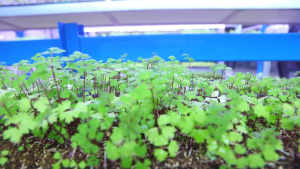
Dong Quai
Gastrodia Elata
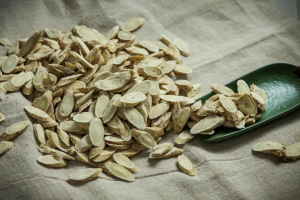
Astragalus
Goji berries
Licorice
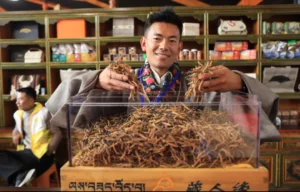
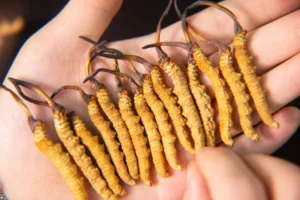
Cordyceps
Chuanxiong

Peacock Tail

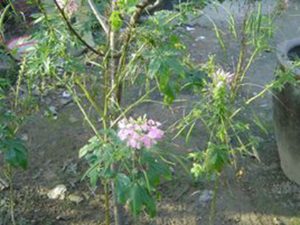
Peacock Tail is the name of a traditional Chinese medicine. It consists of the rhizome or the whole plant of Asplenium sarelii Hook., a species of the family Aspleniaceae.It is distributed in Shaanxi, Jiangsu, Zhejiang, Jiangxi, Fujian, Hubei, Hunan, Guangxi, Sichuan, Guizhou, and other regions. It has the therapeutic effects of clearing heat and detoxifying, promoting the elimination of dampness, stopping bleeding, and promoting tissue regeneration. It is commonly used to treat influenza, red and swollen eyes, tonsillitis, cough, jaundice, enteritis, dysentery, gastrointestinal bleeding, trauma, boils and carbuncles, and burns and scalds.

Mulberry Leaves

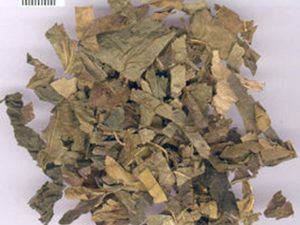
Mulberry leaves are a type of traditional Chinese medicinal herb used to disperse wind-heat. First recorded in the *Shennong Bencao Jing*, they are the dried leaves of the mulberry plant (Morus alba L.) of the Moraceae family and are produced in most regions of the country.Mulberry leaves have the effects of dispersing wind-heat, clearing the lungs and moistening dryness, subduing liver yang, and clearing the liver to improve vision. They are primarily used to treat conditions such as wind-heat colds, the early stages of warm diseases, lung-heat coughs, dry-heat coughs, hyperactive liver yang, and rising liver fire. In addition, mulberry leaves can cool the blood and stop bleeding, and they are also effective in improving conditions such as hemoptysis and hematemesis caused by uncontrolled blood heat.Mulberry leaves of a yellow-green color are considered the best; they can be used raw or after being honey-roasted.

Papaya

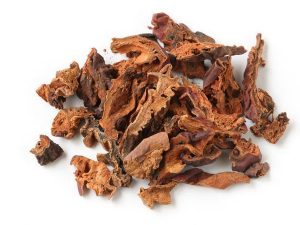
Quince is a traditional Chinese medicinal herb used to dispel wind and dampness. It consists of the nearly ripe fruit of Chaenomeles speciosa (Sweet) Nakai, a plant belonging to the genus Chaenomeles in the Rosaceae family. It has the effects of relaxing tendons and activating meridians, as well as harmonizing the stomach and transforming dampness. It is primarily used to treat damp-bi-induced stiffness and contractures, aching and heavy pain in the lower back and knees, summer-dampness-induced vomiting and diarrhea, muscle cramps and spasms, and beriberi-related edema.

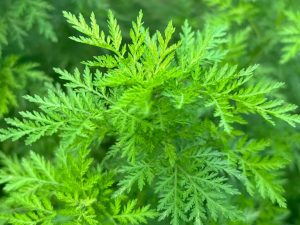
Artemisia

Artemisia, a name in traditional Chinese medicine, refers to the dried aerial parts of Artemisia annua L., a plant of the genus Artemisia in the Asteraceae family. This herb has the effects of clearing deficient heat, eliminating bone-consuming fever, relieving summer heat, arresting malaria, and reducing jaundice. It is primarily used to treat yin deficiency caused by warm pathogens (manifesting as fever at night and coolness in the morning), yin deficiency fever, bone-consuming fever, summer-heat-induced fever, malaria with alternating chills and fever, and damp-heat jaundice.

What’s the Difference Between C. sinensis and C. militaris?

Many shoppers get confused between Ophiocordyceps sinensis (often still called Cordyceps sinensis) and Cordyceps militaris. Though both are known as cordyceps mushrooms, they differ dramatically in origin, cost, active compounds, safety profile, and real‑world supplement usage. Disclaimer: This is educational content, not medical advice. Always consult a healthcare provider before taking herbal supplements. What is … Read more
Is cordyceps safe for daily use?

Cordyceps mushroom is considered safe for daily continuous supplementation for most healthy adults when consumed within recommended dosage ranges. Still, long‑term daily use is not suitable for everyone, and there are important safety considerations, dosage limits, and contraindications to keep in mind. Disclaimer: This is educational information only, not medical advice. Consult your healthcare provider … Read more

What Is the Best Time to Take Cordyceps?

Choosing the right time to take cordyceps influences absorption, side‑effect risk, and how well you experience its energy‑supporting benefits. While cordyceps is not a harsh stimulant, it boosts cellular mitochondrial activity, so timing matters for sleep‑sensitive people. Disclaimer: This content is for educational reference only, not medical advice. Individual responses vary. Always follow your supplement … Read more

How Long Does It Take for Cordyceps to Work?

Cordyceps mushroom is an adaptogenic herbal supplement that supports gradual bodily repair instead of delivering instant effects. Many people mistakenly expect immediate energy boosts similar to caffeine, but real benefits build up as your cells, immune system and metabolism adjust over time. The timeline varies widely depending on your individual health status, dosage, supplement quality, … Read more

What Are the Dosages of Cordyceps Mushroom?

Finding the right cordyceps dosage depends on your goals, supplement form, and individual tolerance. Most clinical studies use cultivated Cordyceps militaris, which is the standard for modern supplements. Wild Ophiocordyceps sinensis is rarely used for regular daily dosing due to its extreme cost and contamination risks. Disclaimer: This is general educational information, not medical advice. … Read more

Are there any side effects of taking cordyceps mushroom?

Cordyceps mushroom is generally well‑tolerated for most healthy adults when taken at recommended dosages. Even so, it may trigger mild side effects in some people, and it carries important risks for certain groups. This article covers common adverse reactions, rare complications, drug interactions, and who should avoid cordyceps supplements. Disclaimer: This content is for educational … Read more

Cordyceps: What Is It Good For?

Cordyceps mushroom is one of the most popular adaptogenic fungi in natural wellness. Many people know it boosts energy, but few understand exactly how it works inside the body. Unlike quick‑acting stimulants or hormone boosters, cordyceps delivers gradual, system‑wide balancing effects by targeting cellular energy, inflammation, immune function, metabolism, and stress regulation. In short, cordyceps … Read more

What Does Cordyceps Mushroom Do?

Cordyceps mushroom is one of the most popular adaptogenic fungi in natural wellness. Many people know it boosts energy, but few understand exactly how it works inside the body. Unlike quick-acting stimulants or hormone boosters, cordyceps delivers gradual, system-wide balancing effects by targeting cellular energy, inflammation, immune function, metabolism, and stress regulation. In short, cordyceps … Read more

What Is Cordyceps Mushroom Good For?

Cordyceps is one of the most researched medicinal mushrooms in the world. Rooted in centuries of Traditional Chinese Medicine (TCM) and now validated by modern biomedical studies, Cordyceps militaris is widely used as an adaptogenic superfood for energy support, immune balance, cardiovascular health, metabolic regulation, and post-stress recovery. Unlike stimulant herbs that force temporary energy … Read more

Cordyceps for Menopause: Medicinal Mushroom for Perimenopause

Cultivated Cordyceps militaris draws growing attention as complementary wellness support for women navigating perimenopause and menopause. Within Traditional Chinese Medicine (TCM, 中医), menopause corresponds to the natural decline of Kidney Jing essence (肾精亏虚). It is critical to clarify upfront: cordyceps is not hormone‑replacement therapy. It cannot replace HRT or prescribed menopause‑related medications. Most supporting mechanistic … Read more