Dong Quai
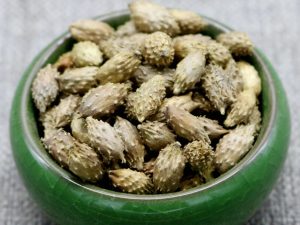
Gastrodia Elata
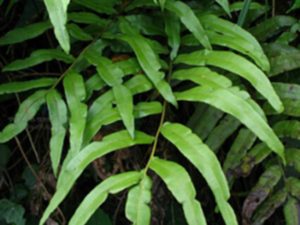
Astragalus
Cordyceps sinensis
cordyceps tea
Grains
Legumes

Gastrodia elata

Tianma is a traditional Chinese medicinal herb used to calm the liver and subdue wind. It is the dried tuber of Gastrodia elata Bl., a plant in the genus Gastrodia of the Orchidaceae family. It has the effects of subduing wind and relieving spasms, calming liver yang, and dispelling wind to unblock the meridians.It is primarily used to treat infantile convulsions, epileptic seizures, tetanus, headaches and dizziness, paralysis of the hands and feet, numbness of the limbs, and rheumatic arthralgia.

Astragalus

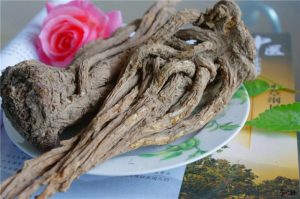
Astragalus is the name of a traditional Chinese medicine. It is the dried root of Astragalus membranaceus (Fisch.) Bge. var. mongholicus (Bge.) Hsiao or Astragalus membranaceus (Fisch.) Bge., plants belonging to the genus Astragalus in the Fabaceae family.It has the effects of tonifying qi and raising yang, consolidating the exterior and stopping sweating, promoting diuresis and reducing edema, generating body fluids and nourishing blood, resolving stagnation and relieving arthralgia, expelling toxins and draining pus, and promoting wound healing and tissue regeneration.It is primarily used to treat qi deficiency with fatigue, poor appetite and loose stools, sinking of central qi, chronic diarrhea with rectal prolapse, bloody stools and metrorrhagia, spontaneous sweating due to exterior deficiency, edema caused by qi deficiency, internal heat with excessive thirst, pallor and weakness due to blood deficiency, hemiplegia, arthralgia and numbness, abscesses and boils that are slow to ulcerate, and chronic ulcers that fail to heal.

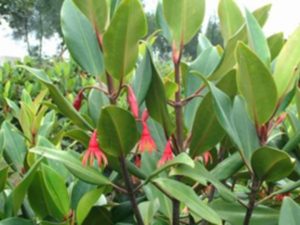
Mulberry Twigs

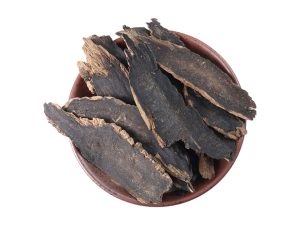
Mulberry Twigs, a name in traditional Chinese medicine. These are the dried young twigs of the mulberry plant (Morus alba L.) of the Moraceae family. They have the efficacy of dispelling wind-dampness and promoting joint mobility. They are primarily used to treat rheumatic arthralgia, as well as soreness, pain, and numbness in the shoulders, arms, and joints.

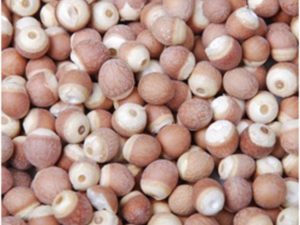
Jackfruit

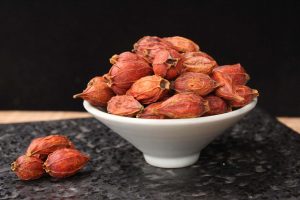
Jackfruit is a plant of the Moraceae family; its fruit, kernels, sap, and leaves are used medicinally.Among these, jackfruit (the fruit) has a sweet and slightly sour taste, is neutral in nature, and is effective in promoting saliva production, relieving restlessness, sobering up from alcohol, and invigorating the spleen; the kernel of the jackfruit (the seed) has a sweet and slightly sour taste, is neutral in nature, and is effective in tonifying qi and promoting lactation; it is primarily used to treat postpartum spleen deficiency with qi weakness, insufficient milk production, or blocked milk flow;Jackfruit sap (sap) has a bland and astringent taste and a neutral nature; it reduces swelling, disperses nodules, and has astringent and itch-relieving effects. It is primarily used to treat boils, abscesses, redness, swelling, and pain, as well as eczema;Jackfruit leaves (leaves) have the effects of promoting blood circulation, reducing swelling, detoxifying, and promoting wound healing; they are primarily used to treat contusions and bruises, sores, boils, and eczema.

Gastrodia elata for high blood pressure hypertension

Gastrodia elata has been used for thousands of years in traditional Chinese medicine to pacify liver yang, calm wind and stabilize blood pressure. Modern pharmacological studies have confirmed that its active ingredients, including gastrodin, vanillin and gastrodia polysaccharides, can dilate blood vessels, relieve vascular spasm, reduce oxidative stress and stabilize sympathetic nerve excitability. Different from … Read more

Gastrodia elata for tinnitus ringing ears

Gastrodia elata has long been used in traditional Chinese medicine to treat tinnitus caused by ascending liver wind disturbing the orifices. Its core active components gastrodin and vanillin improve inner ear blood perfusion, relieve inflammation of the auditory nerve, suppress abnormal electrical excitation of auditory neurons and mitigate subjective ear ringing without sedative dependence. This … Read more

Gastrodia elata for numbness limbs neural pain

Limb numbness, peripheral neuralgia, tingling sensations and radiating nerve pain are prevalent problems among office workers, the elderly, people with cervical/lumbar spondylosis and long-term stressed populations. Nerve compression, poor peripheral blood circulation, nerve inflammation and oxidative damage are major triggers for neural discomfort. As a canonical medicinal herb recorded in Chinese materia medica for dispelling … Read more

Gastrodia elata neuroprotective brain health

Modern society is plagued by chronic stress, mental fatigue, sleep disorders and emotional anxiety, which gradually damage central nervous function and brain health. Gastrodia elata (Tianma), a traditional medicinal herb included in China’s food-medicine homologous catalogue, has been applied for thousands of years to calm hyperactive liver qi, soothe wind and tranquilize mind. Rich in … Read more

Gastrodia elata for insomnia anxiety sleep aid

With the fast pace and high stress levels of modern life, issues such as insomnia, anxiety, difficulty falling asleep, shallow sleep, frequent dreaming and waking, irritability, and restlessness are becoming increasingly common. Many people rely on sleep-aid products over the long term, yet find them ineffective and experience recurring symptoms. Gastrodia elata, a classic Chinese … Read more

Gastrodia elata for migraine headache tension pain

Gastrodia elata has an adjunctive role in relieving migraines and tension headaches, primarily through mechanisms that calm the liver and subdue wind, improve microcirculation, and relieve spasms and pain; however, it cannot replace first-line specific treatments.‌‌ I. Key Conclusions and Applicability ‌Migraine‌: It can reduce the severity and duration of pain during attacks, as well … Read more

Gastrodia elata for dizziness vertigo

Gastrodia elata is indeed effective in treating certain types of dizziness and vertigo, and is particularly suitable for vertigo caused by excessive liver fire or hyperactive liver yang (such as hypertension accompanied by a sensation of fullness in the head and headaches). However, it is important to note that Tianma is not effective for all … Read more

11 Common Grains and Legumes in Chinese Medicine

1.Oryza sativa L. (polished round-grained rice) Nonglutinous rice is the seed kernel of Oryza sativa subsp. japonica (Gramineae), which is also the commonly consumed rice. Its nature and flavor are sweet and neutral. It contains starch, protein, fat, and a small amount of B vitamins. It has the functions of invigorating the Spleen and nourishing … Read more

TCM Dietary Therapy: Nature & Flavor of Common Vegetables

1.Apium graveolens; celery Celery is the whole herb of Apium graveolens L. (Umbelliferae). Its nature and flavor are sweet, bitter, and cool. The edible parts contain protein, fat, crude fiber, calcium, phosphorus, iron, vitamin P, niacin, volatile oil, nicotinic acid, and apiin. It has the functions of calming the Liver and clearing heat, dispelling wind … Read more

25 Kinds of Beauty Foods: Efficacy & Application Scenarios

1.Sesamum indicum (Heizhima, black sesame) (1) Functions: Nourishes the Liver and Kidneys, replenishes Jing essence, supports healthy blood circulation and Qi vitality, helps maintain normal aging process. (2) Application: Suitable for premature aging, rough skin, premature graying of hair, sparse hair, and can be used as an adjunctive dietary therapy for individuals with general weakness, … Read more