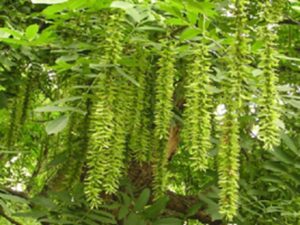
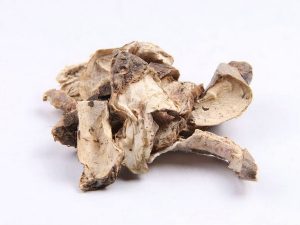
Dong Quai
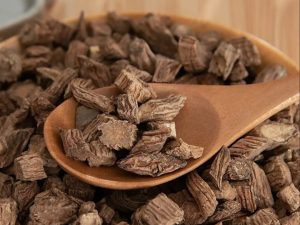
Gastrodia Elata
Astragalus
Goji berries
Licorice
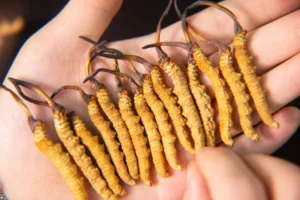
Cordyceps
Chuanxiong

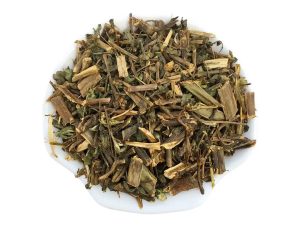
Horsetail

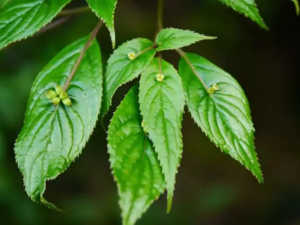
Mawei Lian is the name of a traditional Chinese medicine. It consists of the rhizomes and roots of plants from the genus Thalictrum in the Ranunculaceae family, specifically Thalictrum foliolosum DC. (multileaf meadowsweet), T. baicalense Turez. (Baikal meadowsweet), or T. delavayi Franch. (Delavay’s meadowsweet). It has the therapeutic effects of clearing heat, drying dampness, purging fire, and detoxifying.It is primarily used to treat damp-heat-induced diarrhea and dysentery, jaundice, restlessness due to febrile diseases, coughs caused by lung heat, abscesses, swellings, and toxic sores, as well as redness, swelling, and pain in the eyes.

Cactus

Cactus is the name of a traditional Chinese medicine. It consists of the roots and stems of the cactus plants Opuntia dillenii (Ker–Gawl.) Haw. and Opuntia monacantha Haw., both belonging to the Cactaceae family. It has the effects of promoting the flow of qi and blood, cooling the blood and stopping bleeding, and detoxifying and reducing swelling.It is primarily used to treat stomach pain, abdominal masses, dysentery, sore throat, cough due to lung heat, hemoptysis from pulmonary tuberculosis, hematemesis, bleeding from hemorrhoids, boils, carbuncles, mastitis, mumps, tinea, snake and insect bites, burns, and frostbite.

Yew

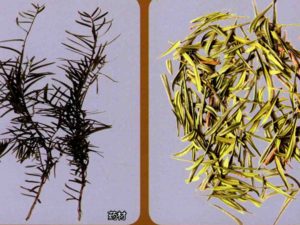
Taxus refers to the dried branches and leaves of the Northeast Chinese yew (Taxus cuspidata Sieb. et Zucc.) of the Taxaceae family. It is primarily produced in Jilin and Heilongjiang, with a small distribution in Liaoning as well.This herb has a sweet and bland taste, a neutral nature, and enters the Kidney meridian. It has the effects of promoting diuresis and reducing edema, as well as warming the Kidney and unblocking the meridians. It is commonly used to treat edema, difficulty urinating, dysuria, irregular menstruation, postpartum blood stasis, and dysmenorrhea. In addition, Taxus contains antitumor compounds such as paclitaxel, triterpenoid alkaloids, and bacartine III, and can therefore be used to treat various neoplastic diseases.

Oxtail Vine

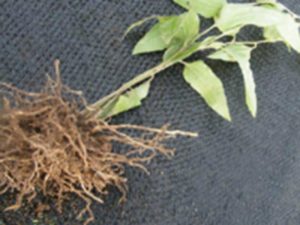
Oxtail Vine, a name in traditional Chinese medicine. It refers to the roots and rhizomes of Smilax riparia A. DC., a plant in the Liliaceae family. It is distributed in Guangdong, Guangxi, Shaanxi, Zhejiang, Jiangsu, Jiangxi, Guizhou, and other regions. It has the effects of dispelling wind-dampness, unblocking meridians, and eliminating phlegm to relieve coughs. It is commonly used for rheumatic arthralgia, lumbago due to overwork, trauma, and coughs with wheezing.

Goji Berries for Immune Support: Herbal Pharmacist’s Guide

Want natural immune support? As a herbal pharmacist, I cover how goji berries support immune health, key bioactive compounds, real client story, clinical research, dosage and safety warnings. Seasonal sniffles, long work hours, poor sleep and daily stress can slowly wear down your body’s immune defenses. Many of my clients search for gentle, food-based ways … Read more
Goji Berries, Retinol & Vitamin A: Herbal Pharmacist’s Guide

How do goji berries, retinol and vitamin A work together? As a herbal pharmacist, I break down their eye and skin benefits, key differences, safety risks, dosage and common misconceptions. Many clients get confused when mixing up goji berries, vitamin A and retinol. Some ask whether eating goji berries can replace retinol skincare, while others … Read more

Goji Berry for Macular Degeneration: Herbal Pharmacist’s Guide

Wondering if goji berry helps macular degeneration? As a herbal pharmacist, I break down goji berry nutrients, clinical research, real client story, dosage, safety and common myths about age-related macular health. If you or a family member has received a warning about early macular changes with aging, you’ve probably searched for natural ways to protect … Read more

Goji Berries for Computer Eye Strain: Pharmacist’s Guide

Suffering from computer eye strain? As a herbal pharmacist, I explain how goji berries help screen-fatigued eyes, clinical research, real client story, dosage, safety and common myths. If you spend most of your workday glued to a computer monitor, you know exactly how computer eye strain feels: heavy tired eyes, burning gritty sensation, blurry near … Read more

Goji Berries for Vision: Herbal Pharmacist Guide

Are goji berries good for your vision? As a herbal pharmacist, I cover goji berries for vision support, key nutrients, real client stories, clinical data, proper dosage, risks and common myths. If you struggle with blurry vision after long screen hours, night driving difficulty, or worry about age-related vision decline, you’ve likely heard about goji … Read more

Goji Berries for Eyes: Evidence-Based Herbal Guide

Goji berries are one of the most researched natural botanicals to support long-term eye health, protect retinal cells, and ease common age-related and screen-related eye discomfort. As a herbal pharmacist, I often recommend goji berries for clients dealing with digital eye strain, dry eyes, blurred night vision, and concerns over age-related eye decline. Unlike artificial … Read more

Standardized Licorice Base on the Taklamakan Desert Edge

Standardized Licorice Base on the Taklamakan Desert Standardized Licorice Base on the Taklamakan Desert Edge

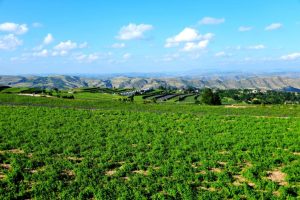
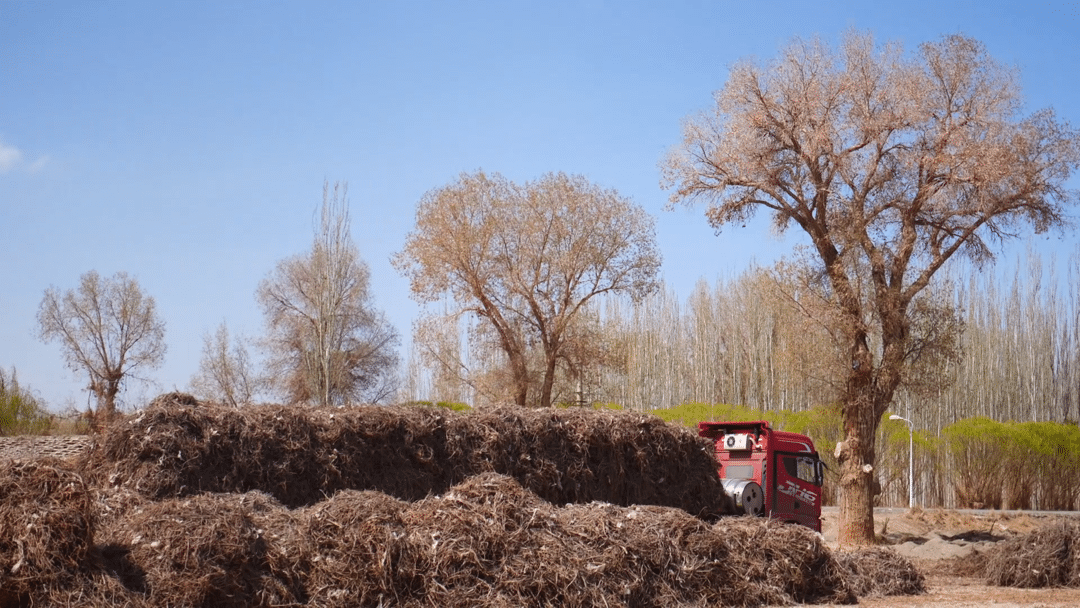
Shaya County of Aksu Prefecture lies on the northern margin of the Taklamakan Desert, traversed by the Tarim River, forming a unique desert‑oasis ecological zone for licorice cultivation. Large‑scale standardized licorice planting bases are concentrated in Tarim Township and surrounding desertified sandy land, mainly cultivating Glycyrrhiza inflata (inflated licorice) and local red‑bark Glycyrrhiza uralensis. Relying … Read more