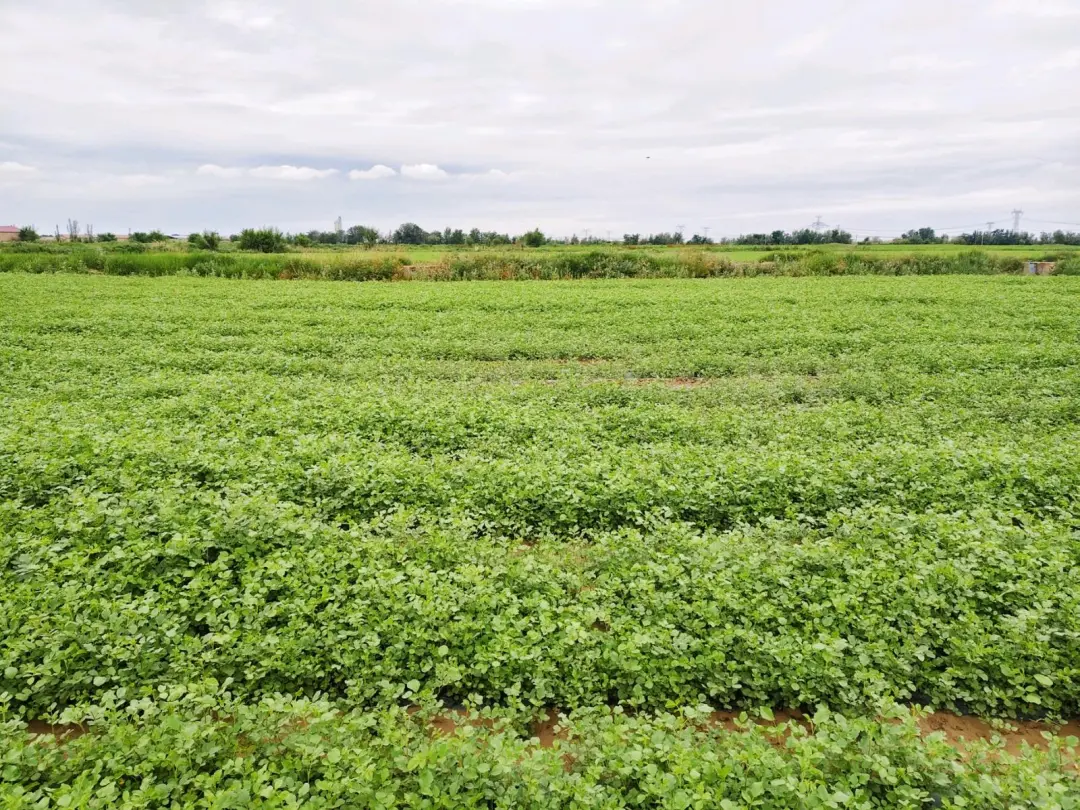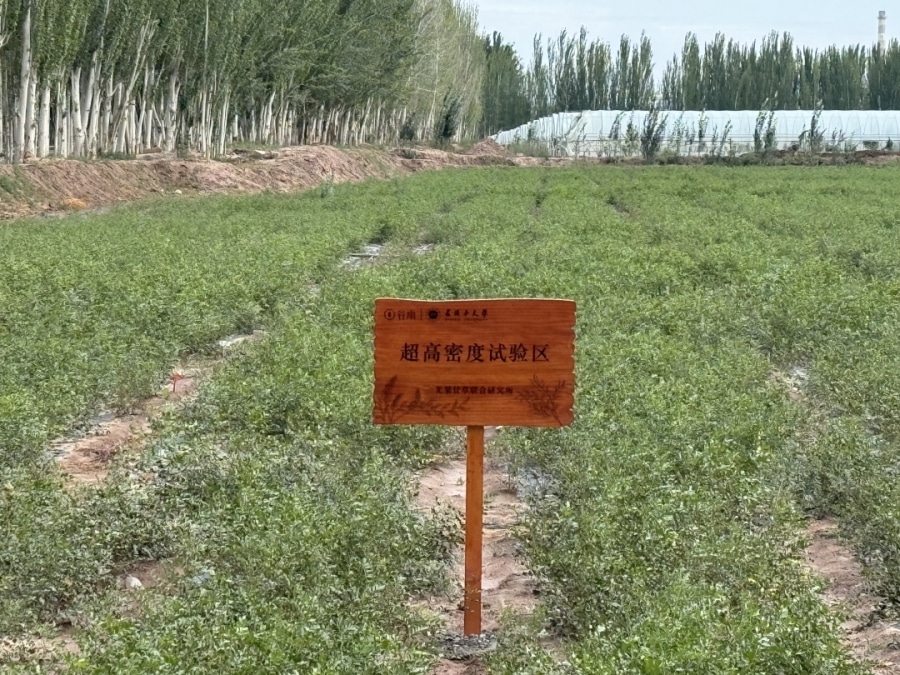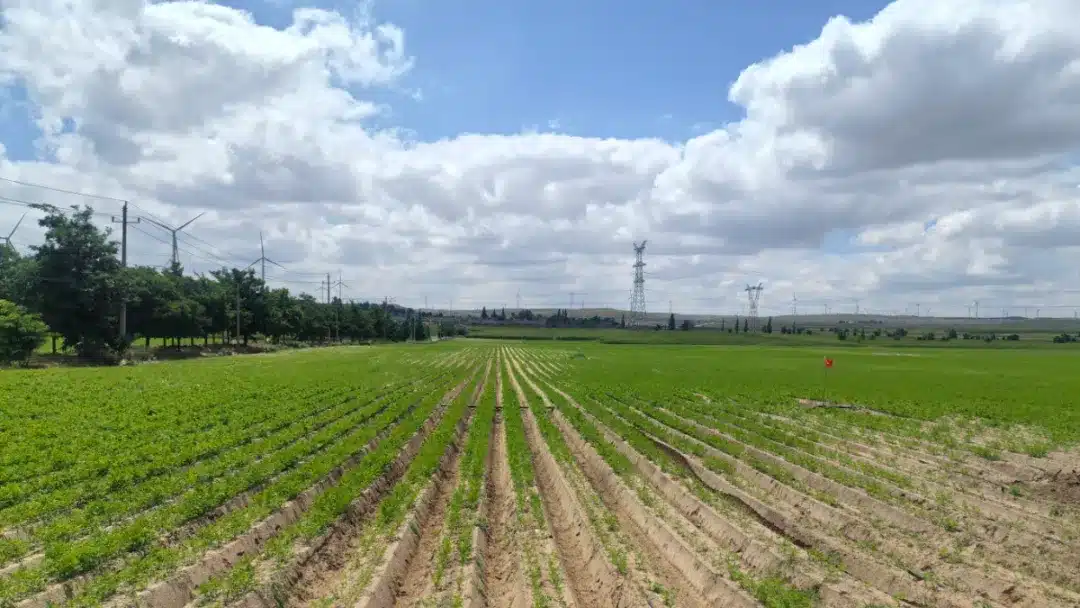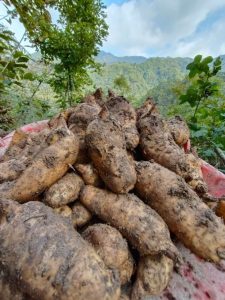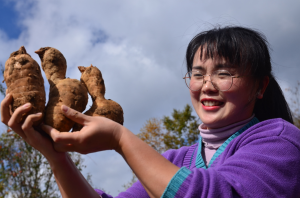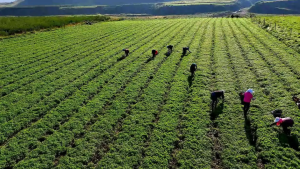
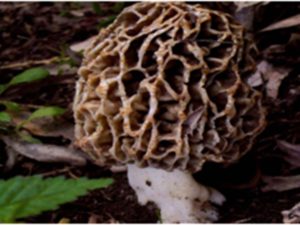
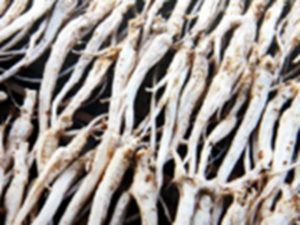
Dong Quai
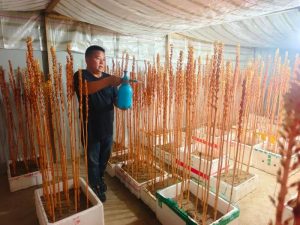
Gastrodia Elata
Astragalus
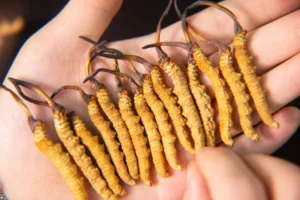
Cordyceps sinensis
cordyceps tea
Grains
Legumes

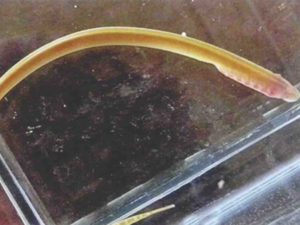
Grouper

Grouper is a name used in traditional Chinese medicine. It refers to the meat of fish in the Serranidae family, such as the salmon-spotted grouper (Epinephelus fario (Thunberg)) and the blue grouper (Epinephelus awoara (Temminck & Schlegel)). The salmon-spotted grouper is found in the southern East China Sea and the South China Sea, while the blue grouper is found in the southern East China Sea and the South China Sea.It has the therapeutic effects of nourishing the blood and calming the mind. It is used to treat dizziness due to blood deficiency, palpitations, forgetfulness, insomnia, and restlessness.

Litsea

Litsea is a name used in traditional Chinese medicine. It refers to the fruits of the plants Litsea euosma W.W. Smith, Litsea mollis Hemsl. [L. mollifolia Chun], and Litsea pungens Hemsl., all belonging to the genus Litsea in the family Lauraceae. It has the effects of warming the middle burner and regulating qi, drying dampness and strengthening the spleen, and detoxifying and reducing swelling.It is primarily used to treat stomach pain caused by cold, vomiting and diarrhea due to summer heat and dampness, food stagnation and bloating, dysmenorrhea, hernia pain, malaria, and swollen and painful sores.

Buddha’s Hand

Boshouguan is the name of a traditional Chinese medicine. It is the dried fruit of Citrus medica L. var. sarcodactylis Swingle, a plant of the Rutaceae family.This herb has a pungent, bitter, and sour taste; it is warm in nature and enters the Liver, Spleen, Stomach, and Lung meridians. It has the effects of regulating Liver Qi, harmonizing the stomach and relieving pain, and drying dampness to transform phlegm. It is primarily used to treat Liver-Stomach Qi stagnation, distending pain in the chest and flanks, epigastric fullness and distension, poor appetite and vomiting, and cough with excessive phlegm.

Luffa Sponge

Luffa Sponge, a name in traditional Chinese medicine, refers to the vascular bundles of the dried, mature fruit of Luffa cylindrica (L.) Roem., a plant belonging to the genus Luffa in the Cucurbitaceae family. It is primarily produced in Jiangsu and Zhejiang provinces. This product has the effects of dispelling wind, unblocking meridians, promoting blood circulation, and stimulating lactation. It is primarily used to treat arthralgia and stiffness, distension and pain in the chest and flanks, insufficient lactation, and swollen and painful mastitis.

Dong Quai for Poor Circulation & Cold Hands and Feet

Dong Quai (Angelica sinensis) is widely used to relieve chronically cold extremities caused by sluggish blood circulation and blood deficiency, a very common complaint among women. Persistently cold hands and feet often worsen in winter, before menstruation, or during fatigue. Core Mechanisms Suitable Symptom Profiles ✅ Most likely to see improvement ❌ Scenarios with limited … Read more

Dong Quai as a Blood Tonic: Mechanisms,Usage & Safety

Dong Quai (Angelica sinensis) is renowned as the premier blood-tonifying herb in traditional Chinese herbal medicine, often nicknamed “female ginseng”. It does not merely supply iron directly; it supports hematopoiesis, optimises circulation and relieves a broad spectrum of symptoms caused by blood deficiency, making it a staple wellness herb for women. Core Mechanisms Who Benefits … Read more

Dong Quai for Anemia: Mechanisms,Usage & Safety

Dong Quai (Angelica sinensis) is the primary blood-tonifying herb in traditional Chinese herbalism, widely used to support mild-to-moderate iron-deficiency anemia and blood deficiency caused by chronic blood loss. Important clarification: Dong quai contains minimal elemental iron. It does not directly supply iron; it improves the body’s ability to utilise nutrients, supports hematopoiesis, and alleviates symptoms … Read more

Dong Quai for PCOS Hormone Support

Dong quai cannot cure PCOS and is not a standalone treatment. It works as adjunct herbal support for specific TCM patterns of PCOS marked by blood deficiency and blood stasis. It does not directly lower testosterone, block androgens or reverse insulin resistance — the core biochemical drivers of many PCOS cases. Improper use may worsen … Read more

Dong Quai for Ovarian Cysts: Mechanisms,Usage & Safety

Critical opening disclaimer: Dong quai cannot dissolve large, complex, cancer-suspicious ovarian cysts. It serves only as adjunct herbal support for certain functional ovarian cysts (follicular cysts, corpus luteum cysts) linked to pelvic blood stasis and hormone imbalance. It is not a replacement for gynecological surveillance and ultrasound monitoring. Core Mechanisms ⚠️ Major clinical caveat: Dong … Read more

Dong Quai for Endometriosis Symptoms: Mechanisms & Safety

Dong Quai (Angelica sinensis) is frequently used in traditional herbal protocols to manage mild to moderate endometriosis‑related discomfort. Critical upfront note: Dong quai cannot cure endometriosis. It offers symptomatic relief and may help modulate pelvic congestion; it does not eliminate endometrial implants. Usage requires careful pattern differentiation, because improper dosing or timing can worsen symptoms … Read more

Dong Quai for Low Female Libido: Mechanisms, Usage & Safety

Dong Quai (Angelica sinensis) is often used as supportive herbal care for reduced female sexual desire. It does not act as an instant libido booster. It addresses libido decline stemming from hormonal imbalance, poor pelvic circulation, blood deficiency and chronic stress — the root physical and emotional drivers of diminished sex drive in many women. … Read more

Dong Quai for Postpartum Recovery: Mechanisms, Usage & Safety

Dong Quai (Angelica sinensis) is a staple herb for traditional postpartum confinement care. After childbirth, women commonly suffer blood deficiency and residual uterine blood stasis. Dong quai tonifies blood while activating circulation, supporting uterine involution and recovery — yet timing and dosage are critical; improper use can trigger excessive lochial bleeding. Core Mechanisms Suitable Postpartum … Read more

Dong Quai for Female Fertility: Mechanisms, Usage & Safety

Dong Quai (Angelica sinensis) is one of the most prominent fertility-support botanicals in traditional herbal medicine. It improves fertility potential by optimising menstrual function, pelvic circulation and ovarian environment, yet it is not a universal fertility herb and can be harmful in certain scenarios, especially once conception occurs. Core Mechanisms Critical distinction: Dong quai is … Read more

Dong Quai for Menopause Mood & Irritability

Dong Quai (Angelica sinensis) is a widely‑used herbal support for menopause‑related irritability, frustration, emotional outbursts and inner tension. It is not an antidepressant medicine, yet it eases hormone‑driven mood instability by balancing blood status, soothing liver qi and moderating neuroendocrine fluctuation during declining estrogen conditions. Core Mechanisms Suitable Symptom Profiles ✅ Best‑responding presentations ❌ Limited‑effect … Read more