Bear Paw is the name of a traditional Chinese medicinal material. It consists of the paw pads of the black bear (Selenarctos thibetanus G. Cuvier) and the brown bear (Ursus arctos Linnaeus) from the bear family (Ursidae). It is effective in strengthening the spleen and stomach, tonifying qi and blood, and dispelling wind and dampness. It is primarily used to treat spleen and stomach deficiency, various forms of deficiency-related debility, and wind-cold-dampness arthralgia.
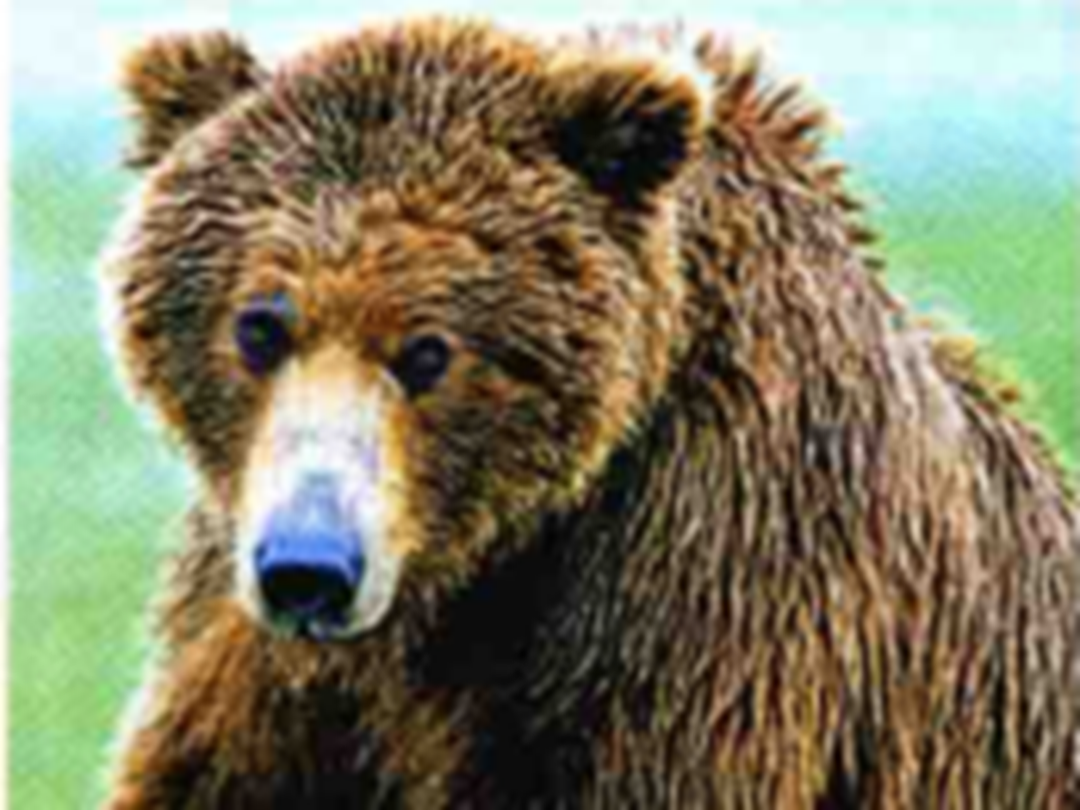
Bear Paw
Bear Paw is the name of a traditional Chinese medicinal material. It consists of the paw pads of the black bear (Selenarctos thibetanus G. Cuvier) and the brown bear (Ursus arctos Linnaeus) from the bear family (Ursidae). It is effective in strengthening the spleen and stomach, tonifying qi and blood, and dispelling wind and dampness. It is primarily used to treat spleen and stomach deficiency, various forms of deficiency-related debility, and wind-cold-dampness arthralgia.
Chinese Name : 熊掌
Nature, Flavor & Meridian Tropism : Sweet in taste, neutral in nature; enters the Spleen and Stomach meridians
Benefits & Efficacy
Benefits
Strengthens the spleen and stomach, tonifies qi and blood, and dispels wind-dampness.
Indications
Weakness of the spleen and stomach, various forms of deficiency and debility, and wind-cold-damp arthralgia.
Usage and Dosage
Internal use: Cook and eat, 30–60 g.
Chemical Constituents
Dried bear paw contains 43.90% fat, 55.23% crude protein, 8.83% total nitrogen, and 0.94% ash;Hydrolysis of the protein yields aspartic acid, phenylalanine, leucine, glutamic acid, tyrosine, histidine, proline, arginine, alanine, valine, hydroxyvaline, and others.
Relevant Discussions
1. *Rihua Zi*: “Consumption can ward off wind and cold and enhance vitality.”
2. *Compendium of Medical Forest: Properties of Medicinal Herbs*: “Nourishes qi and blood, dispels wind and alleviates arthralgia, and heals fractures and injuries.”
3. *Chronicle of Sichuan Traditional Chinese Medicine* (1960 edition): “It can eliminate rheumatism and strengthen the spleen and stomach. It treats weak stomach and spleen deficiency, wind-cold-damp arthralgia, and various deficiency syndromes.”
Applications
Processing & Preparation
Harvesting & Processing
After capture, chop off the feet, coat them with mud, hang them to air-dry, or dry them over low heat. Once dry, thoroughly remove the mud and store.
Processing Methods
Take the raw material, remove all impurities, wash thoroughly, and air-dry in the shade.
Storage Methods
Store in a dry, airtight container. Keep in a cool, dry place to prevent insect infestation.
Crude Drug Identification
Properties of Crude Drugs
Bear paws are often attached to the skin and fur. The front paw is smaller, measuring 15–20 cm in length; the hind paw is longer, measuring 20–30 cm. The front paw is wider. The palms are black and feature thick, dry pads; the surface of the pads is hairless.The underside of the paw consists of several dense, relatively hard cylindrical structures. There are five toes, each with a curved, sharp claw; the spaces between the toes and the dorsal surface of the paw are densely covered with fine black or brownish-black hairs. It has a fishy odor but is not foul-smelling.
The best specimens are large, thick, dry, and have a fishy odor without being foul-smelling.
Botanical Information
Morphological Characteristics
1. Black Bear: Large in build, measuring 1.5–1.7 m in length and weighing approximately 150 kg. The head is broad and rounded. The muzzle is short and pointed; the tip of the nose is bare, and the eyes are small; the ears are relatively long and covered with long hair, extending beyond the sides of the head. The neck is short and thick, with particularly long hair on both sides. There is an inverted V-shaped white patch on the chest. The tail is very short. The coat is uniform, lacquer-black, and glossy.The limbs are thick and sturdy; both front and hind feet have five toes. The carpal pad on the front feet is broad and connected to the palmar pad, while the plantar pad on the hind feet is also broad and thick, wider at the front and narrower at the back, with a hairless partition in the middle of the inner side. It has claws. Except for the brown nose and face, the white lower jaw, and the inverted V-shaped white patch on the chest, the entire body is glossy black.2. Brown Bear: Larger in size, measuring about 2 m in length and weighing 200–300 kg. The head is broad and round, with a relatively long muzzle and a broad nose; the tip of the nose is bare and slightly flared to the sides.The ears are small and mobile, covered with fur both inside and out. The shoulders are prominent, the loin is robust, and the tail is short. All four limbs are sturdy; both front and hind feet have five toes, with the claws on the front feet being longer than those on the hind feet. The claws are laterally flattened and curved, and are dark brown in color. The entire body ranges in color from dark brown or nearly black to very pale silvery-gray, brownish-yellow, or reddish-brown. Adult bears lack white markings on the chest.
Distribution Area
1. Black Bear: Extremely widespread, found in Northeast China, North China, Southwest China, South China, as well as Shaanxi, Gansu, Qinghai, Anhui, Zhejiang, Jiangxi, Fujian, Taiwan, and Tibet. 2. Brown Bear: Found in Northeast China, as well as Gansu, Qinghai, Xinjiang, Sichuan, Guizhou, and Tibet.