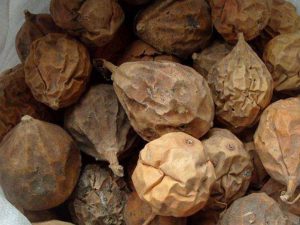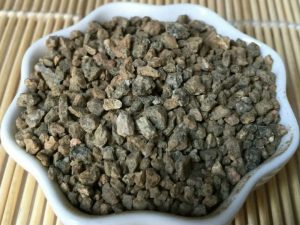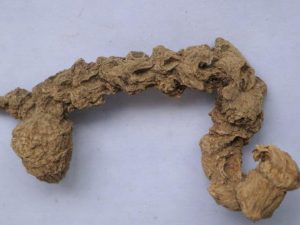
Short-branched Abelia, a name in traditional Chinese medicine. It is the fruit of Abelia engleriana (Graebn.) Rehd., a plant in the Caprifoliaceae family. It is distributed in Shaanxi, Hubei, and Sichuan. It has the effects of dispelling wind-dampness and clearing heat toxins. It is commonly used to treat rheumatic pain in the tendons and bones. Externally, it is used to treat abscesses and red, swollen sores.
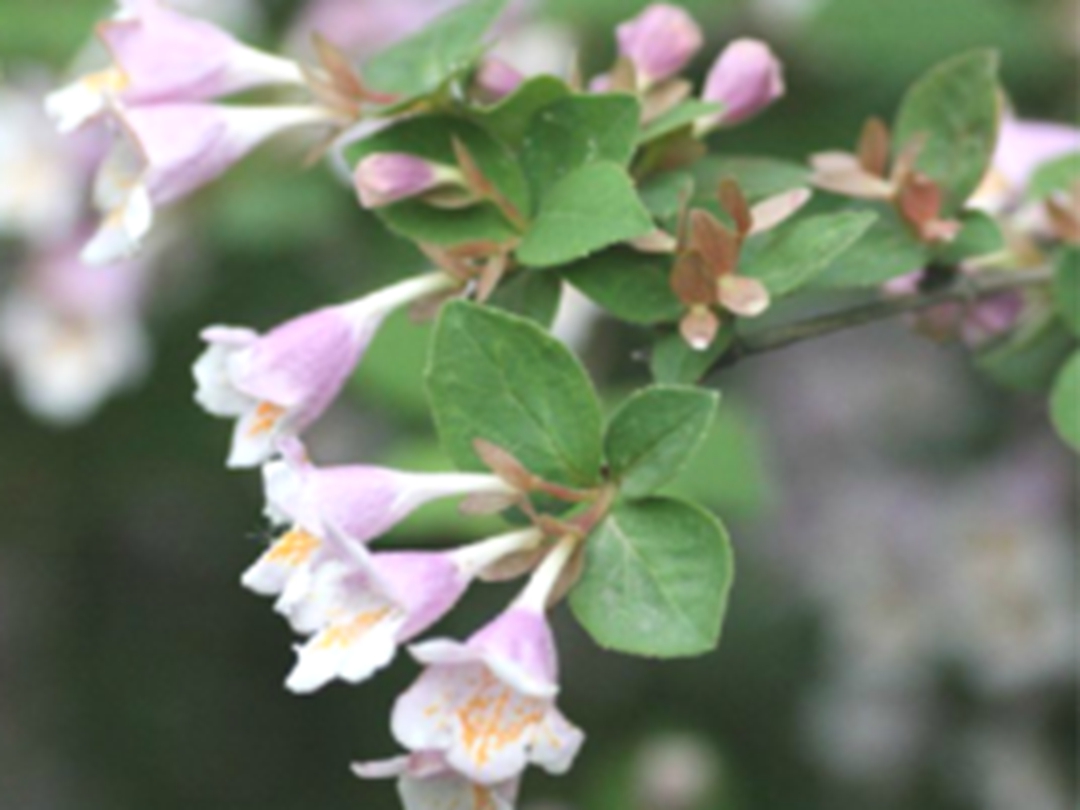
Short-branched Six-veined Wood
Short-branched Abelia, a name in traditional Chinese medicine. It is the fruit of Abelia engleriana (Graebn.) Rehd., a plant in the Caprifoliaceae family. It is distributed in Shaanxi, Hubei, and Sichuan. It has the effects of dispelling wind-dampness and clearing heat toxins. It is commonly used to treat rheumatic pain in the tendons and bones. Externally, it is used to treat abscesses and red, swollen sores.
Chinese Name : 短枝六道木
Aliases : Tonghua Stalk, Redbud Branch
Authentic Producing Area : Shaanxi, Hubei, Sichuan
Nature, Flavor & Meridian Tropism : Bitter and astringent in taste; neutral in nature; enters the Spleen meridian
Benefits & Efficacy
Benefits
Dispels wind-dampness and clears heat toxins.
Indications
Pain in the tendons and bones due to wind-dampness. For external use to treat redness and swelling from boils and sores.
Usage and Dosage
15–24 g. External use: Pound into a paste and apply topically.
Precautions
Not yet established.
Relevant Discussions
*Compendium of Sichuan Chinese Medicinal Herbs*: “Dispels wind-dampness, clears heat toxins, treats wind-dampness-induced pain in tendons and bones, and is applied topically to treat redness and swelling from boils and sores.”
Applications
Related Compatibility
For treating redness and swelling from boils and sores: Combine Redbud Twig, One-Stem Wormwood, and Red Achyranthes; pound into a paste and apply topically. *Compendium of Sichuan Chinese Materia Medica*
Processing & Preparation
Harvesting & Processing
Harvest when the fruit is ripe; sun-dry or use fresh.
Crude Drug Identification
Botanical Information
Botanical Classification
Stem of the flowering plant (Caprifoliaceae).
Morphological Characteristics
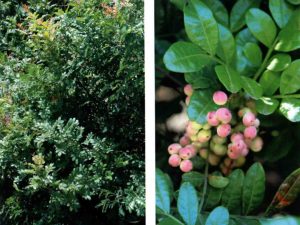
A shrub growing up to 2 m tall; young branches are covered with short soft hairs. Leaves are opposite, ovate, elliptic-ovate, or elliptic-lanceolate, 5–8 cm long; petioles are short or nearly absent. Flowers occur in clusters in the axils or at the tips of short lateral branches; sepals are 2, oblong;corolla rose-red, 5-lobed, 1.5 cm in diameter, trumpet-shaped at the top, with one side of the base swollen; 4 stamens, 2 of which are longer; ovary inferior, 3-chambered, with an elongated style. Achenes contain 1 seed, with a swollen persistent sepal at the apex. Flowering period: June–July.
Distribution Area
Grows in shrubby areas on mountain slopes. Distributed in Shaanxi, Hubei, and Sichuan.