Plum Leaves, a name in traditional Chinese medicine. These are the leaves of the plant *Armeniaca mume* Sieb. (Rosaceae). It is widely cultivated throughout China, with the highest concentration in areas south of the Yangtze River basin. It has the effects of stopping dysentery, arresting bleeding, and detoxifying. It is primarily used to treat dysentery, metrorrhagia, and other conditions.
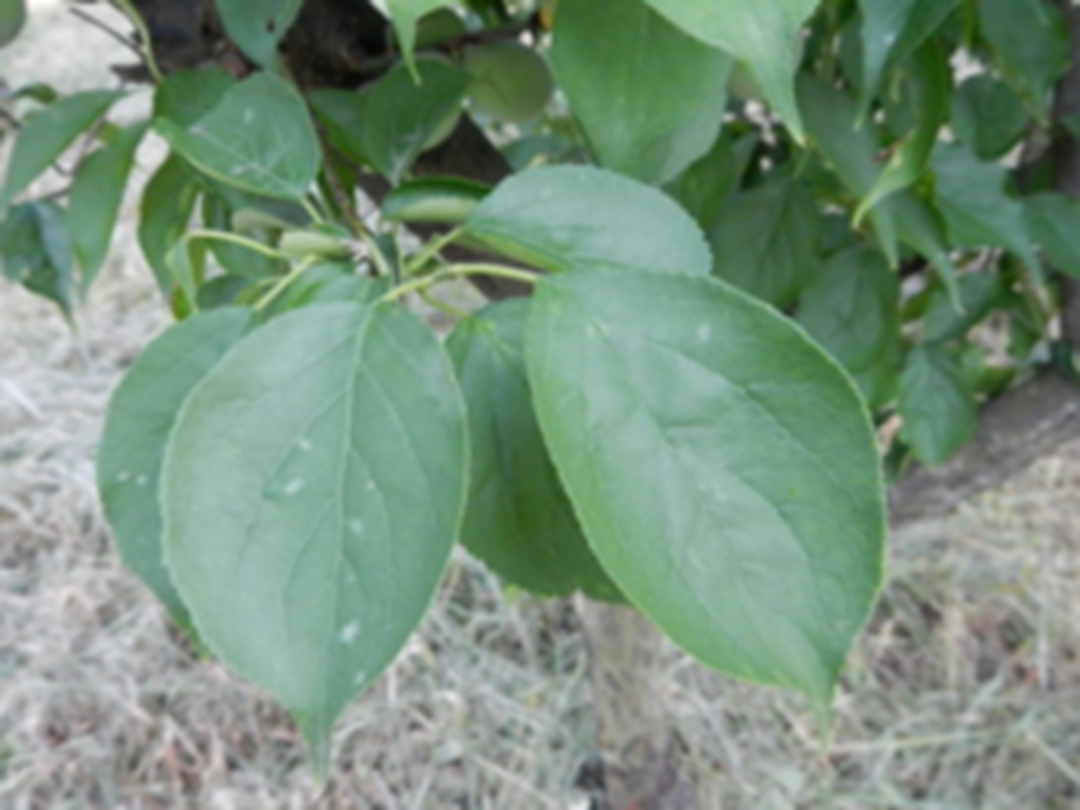
Plum Leaves
Plum Leaves, a name in traditional Chinese medicine. These are the leaves of the plant *Armeniaca mume* Sieb. (Rosaceae). It is widely cultivated throughout China, with the highest concentration in areas south of the Yangtze River basin. It has the effects of stopping dysentery, arresting bleeding, and detoxifying. It is primarily used to treat dysentery, metrorrhagia, and other conditions.
Chinese Name : 梅叶
Nature, Flavor & Meridian Tropism : Taste: sour; Nature: neutral
Benefits & Efficacy
Benefits
Relieves dysentery, stops bleeding, and detoxifies.
Indications
It is primarily used to treat dysentery, metrorrhagia, and other conditions.
Usage and Dosage
1. Internal use: Decoct 3–10 g. 2. External use: Apply an appropriate amount; steam until hot and use for fumigation.
Precautions
Patients requiring treatment with Chinese herbal medicine should first consult a licensed Traditional Chinese Medicine (TCM) hospital, where a TCM practitioner will conduct a professional pattern differentiation and issue a herbal prescription.
Relevant Discussions
*An Examination of Medicinal Properties*: “Stops dysentery. Treats prolonged menstruation.”
Applications
Clinical Applications
For unstoppable menstrual bleeding: Plum leaves (roasted) and palm bark ash, in equal parts. Grind into a powder. Take 2 qian per dose, mixed with wine. (*Shengji Zonglu*)
Processing & Preparation
Harvesting & Processing
Harvest in summer or fall; sun-dry or use fresh.
Crude Drug Identification
Botanical Information
Botanical Classification
Prunus species (Rosaceae).
Morphological Characteristics
A deciduous tree reaching up to 10 m in height, with grayish-brown bark and slender twigs ending in thorns.Simple, alternate leaves; petioles 1.5 cm long, covered with short soft hairs; stipules early deciduous; leaf blades elliptic to broadly ovate. Flowers bloom before the leaves emerge in spring, are fragrant, and cluster in groups of 1–3 in the axils of leaves on second-year lateral branches. Flower pedicels are short; calyxes are usually reddish-brown, though in some varieties they are green or greenish-purple;There are 5 petals, white or pale red, about 1.5 cm in diameter, and broadly obovate; numerous stamens. The fruit is nearly spherical, 2–3 cm in diameter, yellow or greenish-white, and pubescent; the seed is elliptical, with a small protrusion at the apex, grooves on the ventral surface and dorsal ridge, and a surface marked with honeycomb-like pits. Flowering occurs in winter and spring; fruiting occurs from May to June.
Distribution Area
It is widely cultivated throughout China, with the highest concentration in areas south of the Yangtze River basin.