
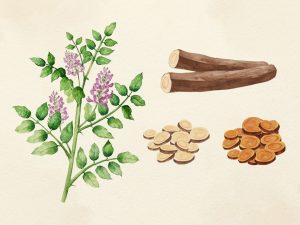
Licorice root is one of the most evidence-backed herbal supportive remedies for managing H. pylori (Helicobacter pylori) overgrowth and protecting your stomach from the damage this bacteria causes. As a herbal pharmacist, I always recommend licorice (specifically DGL) for anyone dealing with persistent low-level H. pylori, recurring gastritis, stubborn stomach discomfort, or post-antibiotic gut recovery.
Most people don’t realize how closely H. pylori and stomach inflammation are linked. This bacteria weakens your stomach’s protective mucosal barrier, triggering ongoing gastritis, acid flares, bloating, and even mild ulcers. While licorice cannot replace medical antibiotic treatment for confirmed active H. pylori infection, it is incredibly powerful for inhibiting bacterial overgrowth, soothing damaged stomach tissue, and preventing relapse.
Disclaimer: This article is for educational wellness purposes only, not medical treatment. Active, confirmed H. pylori infection requires official medical triple/quad therapy prescribed by a doctor. Licorice is a supportive herbal aid, not a replacement for antibiotic treatment, testing, or medical follow-ups.
What Is H. Pylori & Why It Keeps Coming Back
H. pylori is a spiral-shaped bacteria that colonizes the stomach lining. It survives stomach acid by neutralizing local acidic environments, letting it attach firmly to your gastric mucosa.
Many people have low-grade H. pylori overgrowth without obvious severe symptoms, yet still struggle with:
- Frequent post-meal bloating and gas
- Recurring mild gastritis and stomach burning
- Random empty-stomach stomach pain
- Slow digestion and persistent gut inflammation
- Hard-to-heal mild stomach ulcers
The biggest issue with H. pylori is that it erodes your stomach’s protective mucus layer. Once this barrier is weak, acid and bacteria constantly irritate the stomach wall, creating a cycle of chronic inflammation that’s hard to break with antacids alone.
How Licorice Root Works for H. Pylori (Pharmacist Breakdown)
Licorice targets H. pylori and its gut damage in three unique, powerful ways that no over-the-counter antacid can replicate:
1. Inhibits H. pylori adhesion and overgrowth
The active flavonoids in licorice do not just kill bacteria directly—they block H. pylori from attaching to your stomach lining. Without the ability to anchor itself to the mucosa, the bacteria cannot colonize, multiply, or cause ongoing inflammation. This is why licorice is excellent for preventing H. pylori flare-ups and post-treatment regrowth.
2. Repairs the H. pylori-damaged stomach barrier
H. pylori’s biggest harm is mucosal erosion. Licorice stimulates the production of protective gastric mucus, thickening your stomach’s natural defense layer. A strong, intact gut lining makes it extremely difficult for H. pylori to survive and spread, creating an environment that naturally suppresses bacterial overgrowth long-term.
3. Reduces persistent stomach inflammation
Chronic H. pylori infection keeps the stomach in a constant inflamed state. Licorice’s natural anti-inflammatory compounds soothe swollen, irritated gastric tissue, relieve lingering stomach discomfort, and speed up tissue recovery after bacterial inflammation.
Regular Licorice vs DGL Licorice for H. Pylori
For H. pylori management, DGL (Deglycyrrhizinated Licorice) is the only safe long-term option.
Standard licorice root and tea contain glycyrrhizin. Short-term use is fine, but long-term daily use (required for H. pylori gut repair) can cause high blood pressure, fluid retention, and electrolyte imbalances.
DGL completely removes glycyrrhizin while retaining all the anti-bacterial, anti-inflammatory, and mucosa-repairing properties needed for H. pylori recovery. It’s safe for weeks of consistent use and perfect for restoring gut health after infection or antibiotic treatment.
Pharmacist-Recommended DGL Routine for H. Pylori Support
This routine is designed to suppress bacterial overgrowth and rebuild your stomach barrier:
Chew DGL tablets thoroughly 20–30 minutes before meals.
Pre-meal chewing coats the stomach lining fully, blocks bacterial adhesion, and protects mucosa from acid and inflammation during digestion.
For active mild H. pylori symptoms: Use consistently daily for 4–6 weeks to reduce inflammation and overgrowth.
Post-antibiotic recovery: Use daily for 6–8 weeks to repair gut damage left by H. pylori and harsh antibiotics, preventing common relapse.
Who Should Avoid Licorice & DGL
Avoid regular DGL use if you have:
- High blood pressure or hypertension
- Heart conditions or heart palpitations
- Kidney dysfunction
- Low potassium levels
- Pregnancy or breastfeeding
- Blood pressure medications, diuretics, or steroids
FAQs (Licorice for H. Pylori Common Questions)
Q: Can licorice cure H. pylori completely?
A: No. Licorice cannot replace medical antibiotic therapy for confirmed positive H. pylori. It is a powerful supportive remedy to reduce bacterial overgrowth, heal stomach damage, and prevent reinfection after treatment.
Q: Is DGL good after H. pylori treatment?
A: Extremely beneficial. Antibiotics kill bacteria but damage the gut lining. DGL repairs mucosa, reduces lingering inflammation, and drastically lowers H. pylori relapse rates.
Q: Can DGL help with H. pylori bloating and gastritis?
A: Yes. Most H. pylori symptoms like bloating, post-meal discomfort, and mild burning come from gut inflammation and weak mucosa. DGL targets these root issues for steady relief.
Q: Can I use licorice tea for H. pylori?
A: Not for long-term use. Stick to DGL for consistent, safe daily gut repair during H. pylori recovery.
Final Herbal Pharmacist Verdict
Licorice root (DGL) is one of the best natural tools for managing H. pylori-related gut damage and preventing recurring infection. It doesn’t just mask symptoms—it rebuilds your stomach’s natural defense system, making your gut resistant to future bacterial overgrowth and inflammation.
If you struggle with lingering stomach issues from low-level H. pylori or are recovering from a full infection treatment, consistent DGL use is a game-changing addition to your gut healing routine.
Toller Artikel! Ich habe selbst jahrelang mit H. pylori und Gastritis gekämpft. DGL-Lakritze war tatsächlich das Einzige, was meinen Magen wirklich beruhigt hat – zusammen mit einer konsequenten Ernährungsumstellung. Schade, dass so wenige Ärzte darauf hinweisen. Wer unter Sodbrennen oder Druck im Oberbauch leidet, sollte das unb
यह लेख बहुत उपयोगी है। मैं खुद H. pylori से परेशान था और एंटी
¡Muy buen artículo! Llevo años lidiando con gastritis y el H. pylori, y el regaliz DGL ha sido un gran aliado para mí. Eso sí, aprendí por las malas que no vale cualquier forma: el extracto deglicirricinado es clave para no subir la tensión. Gracias por explicarlo tan claro, siempre es bueno ver opciones naturales que complementen el tratamiento.