
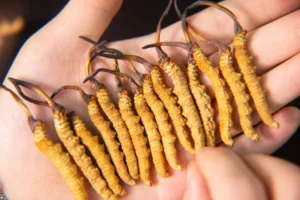
Breathlessness, reduced exercise tolerance, persistent mild cough and slow post‑illness respiratory recovery often stem from weakened lung tissue, poor oxygen utilization, low‑grade respiratory inflammation and depleted respiratory mucosal immunity. Cultivated Cordyceps militaris is a well‑known traditional medicinal mushroom used for supporting long‑term lung wellness. It does not treat acute bacterial or viral lung infections, but offers complementary support for respiratory resilience.
Important Disclaimer: Cordyceps is complementary herbal support. It cannot replace prescription inhalers, antibiotics or medical care for asthma, COPD, pneumonia or serious pulmonary disease. If you experience chest pain, severe shortness of breath or persistent bloody cough, seek urgent medical attention.
Traditional TCM Perspective on Cordyceps for Lungs
In Traditional Chinese Medicine, cordyceps is famous for tonifying Lung Qi and nourishing Kidney Qi. The Lung governs respiration; deficient Lung Qi manifests as shortness of breath, easy panting with light activity, weak cough and low physical stamina. The Kidneys “grasp the qi” — supporting proper depth of breathing.
When Lung‑Kidney Qi are depleted after colds, viral respiratory illness, over‑exertion or aging, breathing becomes shallow and oxygen utilization drops. Cordyceps replenishes both Lung and Kidney Qi, eases persistent mild cough, improves breath‑holding capacity and supports respiratory mucosal defence.
Scientific Mechanisms: How Cordyceps Supports Lung Health
1. Modulate Respiratory Inflammation
Cordyceps polysaccharides and cordycepin regulate pro‑inflammatory cytokines within lung tissue. It lowers chronic low‑grade respiratory inflammation that contributes to persistent mild cough and airway irritation, without fully suppressing normal protective immune response.
2. Improve Oxygen Utilization & Aerobic Capacity
Cordyceps enhances oxygen uptake in the lungs and oxygen delivery to peripheral tissues. This reduces perceived breathlessness during physical exertion and improves overall lung‑related stamina.
3. Protect Lung Epithelial / Mucosal Barrier
Respiratory mucosal lining acts as the first line of defence against airborne irritants and pathogens. Bioactive compounds in cordyceps support epithelial cell integrity, helping maintain a robust mucosal barrier in the respiratory tract.
4. Support Post‑Viral Lung Tissue Recovery
After viral respiratory infections, many people suffer lingering shortness of breath and exercise intolerance. Cordyceps exerts antioxidant effects that reduce oxidative stress in lung tissue, supporting gradual repair of damaged respiratory cells.
5. Antioxidant Defence Against Environmental Irritants
Air pollution, smoke and airborne particles generate free radicals that damage lung tissue over time. Cordyceps antioxidants neutralize reactive oxygen species, reducing cumulative oxidative damage to pulmonary tissue.
Signs You May Benefit From Cordyceps for Lung Support
- Easily get winded during light‑to‑moderate physical activity
- Lingering mild cough or throat irritation following respiratory viral infection
- Reduced exercise stamina linked to shallow breathing
- Respiratory sensitivity to dust, smoke or airborne irritants
- Post‑viral persistent shortness of breath with normal medical test results
- General weak respiratory vitality from aging or past frequent lung infections
Critical Safety Guidelines
- Cyclic usage protocol: Take daily for 6‑8 weeks, followed by a one‑week rest period.
- Cordyceps is not for acute lung infection episodes (high fever, severe productive cough). Seek medical treatment for active respiratory disease.
- Individuals taking immunosuppressant medication, blood‑thinning anticoagulants must consult a healthcare provider before use.
- Pregnant or breastfeeding people should avoid cordyceps unless explicitly cleared by a medical practitioner.
- Do not discontinue prescribed inhalers or pulmonary medications in favour of cordyceps supplements.
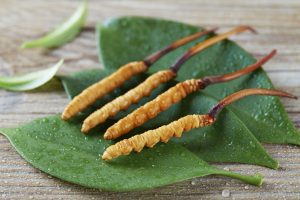
- Source note: Prefer cultivated Cordyceps militaris. Wild Ophiocordyceps sinensis is expensive, often adulterated and not required for respiratory wellness support.
How to Use Cordyceps for Lung Wellness
- Standardised cordyceps extract capsules / powder: Look for products standardised to cordycepin and polysaccharides; most users take in the morning.
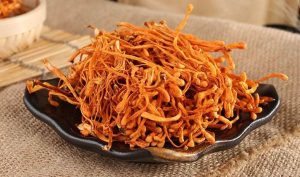
- Decoction tea: Simmer dried cordyceps fruiting bodies for 15‑20 minutes. Can combine with astragalus root — a classic TCM pair for Lung‑Wei‑Qi support.
- Synergistic herbal blends for lungs: cordyceps + astragalus root, cordyceps + schisandra berry.
Note: A small subset of sensitive people may feel mildly alert after cordyceps; avoid high doses late in the evening if you are prone to sleep disturbance.
Final Thoughts
Cordyceps for lungs supports respiratory mucosal health, modulates low‑grade airway inflammation and improves oxygen utilization. It shines for people with reduced breath stamina and lingering post‑viral respiratory weakness. As complementary holistic support (alongside clean‑air habits, physical conditioning and medical oversight), cultivated Cordyceps militaris helps build long‑term lung resilience, but it cannot replace clinical treatment for serious pulmonary illness.
Q1: Can cordyceps treat asthma or COPD?
A: No. Cordyceps is complementary support only. It cannot replace inhalers or prescription pulmonary medication for asthma or COPD. Always follow your pulmonologist’s treatment plan.
Q2: Does cordyceps help shortness of breath after viral infection?
A: It can support tissue repair and oxygen utilization for lingering mild post‑viral breathlessness. If shortness of breath is severe or persistent, you must get formal lung examinations.
Q3: Is cordyceps safe to combine with astragalus root for lung health?
A: Yes, this is a well‑known traditional pairing. Astragalus tonifies Wei Qi and Lung Qi; cordyceps tonifies Lung‑Kidney Qi. Together they support respiratory mucosa, stamina and immune resilience. Best taken in morning or early afternoon.
Q4: How long until I notice improvements in breathing stamina?
A: Respiratory changes are gradual. Many users notice less breathlessness during light activity after 3‑4 weeks of consistent cyclic supplementation.
Q5: Can cordyceps help a productive wet cough?
A: Cordyceps is best for dry, lingering weak‑type cough linked to Qi deficiency. For acute wet cough with infection and fever, seek medical care; tonic mushrooms are generally held off during acute infectious phases.
Q6: Are there drug interaction risks for cordyceps?
A: Potential mild anti‑platelet effects mean caution with blood‑thinning drugs. People on immunosuppressants need doctor consultation due to cordyceps’ immune‑modulating properties.
Q7: What is the difference between wild Ophiocordyceps sinensis and cultivated Cordyceps militaris for lungs?
A: Wild Ophiocordyceps sinensis is extremely rare, high‑prone to adulteration. Cultivated Cordyceps militaris contains the key bioactive compounds (polysaccharides, cordycepin) used for respiratory wellness and is the practical choice for most users.



這篇文章寫得很實用!我本身有氣喘,換季時特別容易覺得呼吸
Interesting read! I’ve been dealing with a lingering cough and low stamina ever since a bad bout of flu last winter. I’d heard of Cordyceps for energy, but didn’t realize it had such a specific role in supporting mucosal health. Might be worth adding to my routine alongside my usual vitamin C, just for that extra lung support. Thanks for sharing!