
Low libido or reduced sexual desire can stem from many root causes: persistent fatigue, chronic stress, HPA‑axis dysregulation, poor circulation, oxidative tissue damage, aging‑related vitality decline, metabolic imbalance, and mental‑emotional strain.
Cordyceps is famous in traditional Asian herbal medicine as a vitality tonic for reproductive wellness. Important reality check: It is NOT an instant‑acting aphrodisiac or replacement for prescription sexual health medications. Most supporting data comes from pre‑clinical / animal research; large‑scale human randomized controlled trials are still limited. It works gradually by improving whole‑body foundational health that underpins healthy sex drive, rather than triggering immediate sexual arousal.
Important Disclaimer: Cordyceps is complementary holistic support only. It cannot replace medical evaluation for persistent low libido, erectile dysfunction, hormonal disorders, or reproductive disease. If you experience ongoing loss of sexual desire, consult an endocrinologist, urologist, or sexual‑health clinician to rule out underlying physical or psychological conditions.
Traditional TCM Perspective on Cordyceps for Libido
Within Traditional Chinese Medicine, healthy libido and reproductive capacity rely heavily on Kidney Jing (Essence) and Kidney‑Yang. Kidney Jing is your deep constitutional life reserve.
- Kidney Jing deficiency symptoms: diminished sex drive, sexual fatigue, lower‑back soreness, knee weakness, nighttime urination, slow recovery after exertion, general weariness.
- Cordyceps uniquely tonifies both Lung Qi and Kidney Jing. It replenishes depleted constitutional essence, improves circulation to reproductive tissues, and raises overall vitality.
- TCM theory notes cordyceps works best for low‑libido patterns linked to exhaustion and constitutional depletion. It is not intended for people with excess internal heat patterns.
Important note: In TCM, tonic herbs such as cordyceps are not “magic sex pills”. They rebuild foundational energy over weeks of consistent use.
Scientific Mechanisms: How Cordyceps May Support Reproductive & Sexual Wellness
Caveat: Many mechanisms are demonstrated in cell and animal studies; robust human clinical confirmation remains limited.
1. Antioxidant protection for reproductive tissue
Cordycepin and cordyceps polysaccharides neutralize excess free radicals. Oxidative stress damages testicular and ovarian tissue; reducing oxidative burden helps preserve reproductive cell health. In animal models, cordyceps improved sperm count, motility and reduced sperm malformation.
2. Modulate reproductive‑hormone signaling (pre‑clinical)
Animal research shows cordyceps may support Leydig‑cell function and modest testosterone production in rodent models. However, there is no solid human proof it raises testosterone levels in people. Any human effect is likely indirect, via better sleep, lower stress, and improved energy.
3. Improve peripheral blood‑flow & nitric‑oxide pathways
Healthy circulation is essential for sexual arousal in both men and women. Pre‑clinical data indicates cordyceps supports nitric‑oxide synthase activity, supporting blood‑vessel relaxation and tissue perfusion. It is not a fast‑acting vasodilator like prescription ED medication.
4. Reduce chronic stress‑driven libido loss
Chronic elevated cortisol is one of the most common modern causes of reduced sex drive. As an adaptogen, cordyceps modulates HPA‑axis activity, easing stress‑related energy drain. When stress burden lowers, many people naturally see improvements in sexual interest.
5. Boost mitochondrial energy & reduce whole‑body fatigue
Persistent exhaustion suppresses libido. Cordyceps enhances mitochondrial ATP production, easing deep tiredness that often dampens sexual interest for both sexes.
Who May Benefit From Cordyceps for Libido‑Related Support
These reflect functional wellness patterns, not medical diagnoses. Seek clinical testing for confirmed sexual‑health disorders.
- Reduced sexual desire tied to long‑term stress, burnout and persistent fatigue
- Lower‑back weakness, knee soreness, night‑time urination alongside low vitality (TCM Kidney‑Jing‑deficiency pattern)
- Post‑illness or post‑overwork depletion leading to diminished sex drive
- Middle‑age vitality decline where fatigue is a primary limiting factor for sexual wellness
- Reduced reproductive stamina linked to poor exercise endurance
Who will likely see little benefit:
- Low libido primarily caused by psychological trauma, relationship conflict, untreated depression
- Confirmed primary hypogonadism requiring hormone‑replacement therapy
- Acute sexual dysfunction from structural physical disease
Cordyceps Species Comparison Table for Libido Support
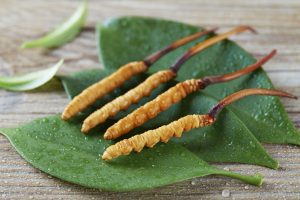
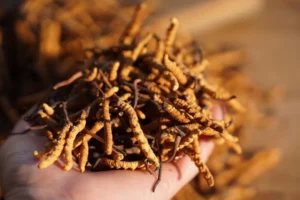
| Item | Ophiocordyceps sinensis (Wild‑collected caterpillar fungus) | Cultivated Cordyceps militaris |
|---|---|---|
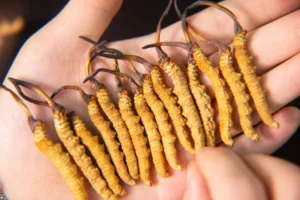
| Traditional reputation | Classic premium TCM Kidney‑Jing tonic for reproductive vitality | Modern cultivated substitute with matching core bioactives |
| Cordycepin / polysaccharides | Variable, wild material quality highly inconsistent | Standardizable, controlled cultivation delivers predictable levels |
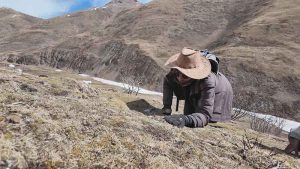
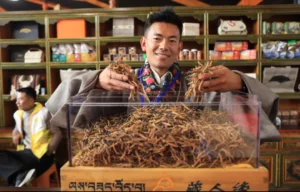
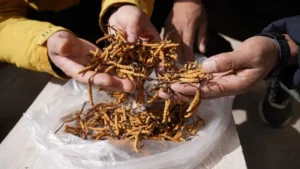
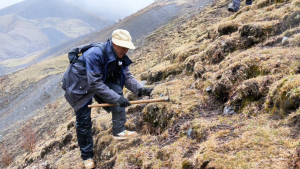
| Price | Extremely expensive; high risk of adulteration, heavy‑metal contamination | Affordable, widely available supplement‑grade raw material |
| Research base for reproduction | Mostly older observational studies | Growing body of modern pre‑clinical animal studies |
| Practical recommendation | Not recommended for regular daily use for most consumers | Preferred choice for ongoing libido / vitality support |
Takeaway: For regular supplementation for reproductive wellness, choose cultivated Cordyceps militaris; wild sinensis is impractical and often counterfeit.
Recommended Usage, Dosage & Timing
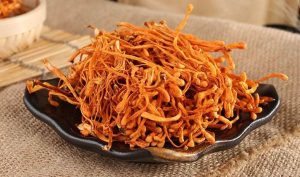
- Forms: Standardized dual‑extract capsules / powder (preferred for consistent bioactives); decoction tea (simmer fruiting‑body 15‑20 min).
- Daily dosage for reproductive‑vitality goals: 2000‑3000 mg of standardized Cordyceps militaris extract per day for adults.
- Best timing: Morning or early‑afternoon intake. Some sensitive individuals experience mild alertness; high doses late in the evening may interfere with sleep.
- Cyclic protocol: Take daily for 6‑8 weeks, then observe effects, followed by a 1‑week rest break. Expect gradual changes; do not expect overnight results.
- Synergistic herbal pairings for reproductive vitality:
- cordyceps + astragalus root (Kidney‑Lung‑Spleen tonic, improves energy and circulation)
- cordyceps + schisandra berry (adaptogen, supports stress‑hormone balance)
Critical Safety Guidelines & Contraindications
- Pregnancy and breastfeeding: Avoid cordyceps; insufficient human‑safety data for reproductive‑stage people.
- Anticoagulant / blood‑thinning medications: Cordyceps exhibits mild anti‑platelet activity. If you take warfarin or other blood thinners, require doctor approval before use; monitor bleeding‑related markers.
- Immunosuppressant drugs / organ‑transplant recipients: Cordyceps is immune‑modulating. Must have specialist clearance; do not self‑supplement.
- Autoimmune disease: Consult your clinician before starting; immune‑modulating herbs may alter disease activity.
- Pre‑surgery: Discontinue cordyceps 2 weeks before scheduled surgery due to theoretical bleeding risk.
- Hormone‑sensitive cancers: Seek oncologist advice before use.
- Cordyceps is complementary support only. If libido remains very low, pursue lab work: testosterone, thyroid panels, cortisol, and other sexual‑health evaluations.
Final Thoughts
Cordyceps for libido does not deliver instant aphrodisiac effects. Its value lies in rebuilding whole‑body vitality, lowering oxidative stress, improving circulation, and mitigating stress‑driven energy depletion — factors that form the foundation of healthy sexual desire for both men and women.
Research is strongest in pre‑clinical animal models; high‑quality human trials are still limited. Real‑world improvements develop slowly over weeks of cyclic consistent supplementation, best paired with adequate sleep, stress management, balanced nutrition, and professional sexual‑health medical care when needed. Choose lab‑tested cultivated Cordyceps militaris to avoid the risks and high cost of adulterated wild cordyceps.
Q1: Does cordyceps work like Viagra for sexual performance?
A: No. Cordyceps is a slow‑acting constitutional tonic. It is not a fast‑acting vasodilator medication. It cannot treat clinical erectile dysfunction; ED requires formal urologist assessment and prescription‑treatment as appropriate.
Q2: Will cordyceps raise my testosterone levels?
A: Some animal‑model research shows potential testosterone‑supporting effects, but large human randomized trials are absent. In humans, any benefit is indirect via reduced stress and better energy, not a strong direct testosterone‑boosting effect. It is not a replacement for testosterone‑replacement therapy for confirmed hypogonadism.
Q3: Can women use cordyceps for low libido?
A: Yes. Where reduced sexual desire stems from burnout, chronic fatigue and stress‑related vitality depletion, cordyceps may offer complementary support. It does not act as female‑specific hormone therapy. Persistent low female libido should be evaluated by a women’s‑health clinician.
Q4: How long until I may notice changes in sex‑drive from cordyceps?
A: Since it works on whole‑body vitality, most people require 4‑6 weeks of consistent cyclic daily intake to notice shifts. Do not expect results within several days.
Q5: Can I combine cordyceps with astragalus for reproductive vitality?
A: Yes, this is a classic TCM combination. Astragalus tonifies Spleen‑Lung Qi; cordyceps tonifies Lung‑Kidney Jing. Together they support energy, circulation and stress resilience; take in morning hours.
Q6: What side‑effects can cordyceps cause for libido‑support use?
A: Generally well‑tolerated in healthy adults. Rare mild digestive upset may occur. Sensitive users may experience evening alertness if dosed too late in the day. Discontinue if you develop allergic reaction to mushroom‑derived supplements.
Q7: Is wild Ophiocordyceps sinensis better than cultivated Cordyceps militaris for libido?
A: Not for most consumers. Wild sinensis is extremely expensive, frequently adulterated and faces heavy‑metal contamination risk. Cultivated militaris contains the core bioactive compounds (cordycepin, polysaccharides) for vitality‑support use and is the practical choice for daily supplementation.
Interesting read. I’ve been looking into adaptogens for low energy and libido, and cordyceps keeps popping up. Good to see a breakdown of the root causes—stress and circulation make so much sense. Have you tried it yourself, or is there a specific form (extract vs powder) that works best? I’m curious about realistic expectations