
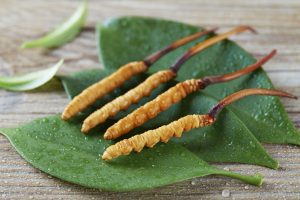
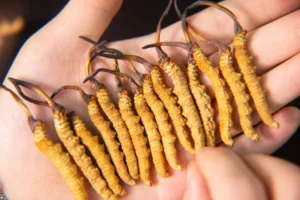
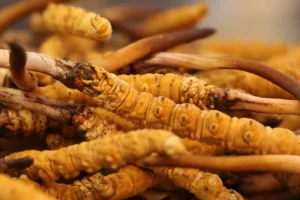
Aging is a multi‑factorial biological process driven by cumulative oxidative damage, cellular senescence, mitochondrial decline, impaired autophagy, chronic low‑grade inflammation (inflammaging), and gradual loss of organ reserve. Modern longevity research investigates natural compounds that target these root biological drivers of aging, rather than only treating visible outward symptoms such as wrinkles. Cultivated Cordyceps militaris, the widely‑researched sustainable alternative to rare wild Ophiocordyceps sinensis, contains cordycepin, polysaccharides and adenosine, which have been heavily studied in pre‑clinical models for anti‑aging mechanisms.
Important Scientific Caveat: Most anti‑aging mechanistic evidence comes from cell‑culture, yeast, worm and animal studies. Large‑scale, long‑term human randomized controlled trials proving cordyceps slows biological aging or extends human lifespan do not currently exist. Cordyceps is complementary wellness support for healthy aging. It cannot reverse advanced age‑related disease and is not a “longevity pill”. If you have chronic age‑related conditions, follow standard medical care.
Important Disclaimer: Cordyceps is not medicine for treating age‑related illnesses. It cannot replace doctor‑prescribed medications for cardiovascular, metabolic, neurodegenerative or kidney disease. Individuals with autoimmune disease, transplant recipients on immunosuppressants, people taking anticoagulants, pregnant and breastfeeding persons need medical provider approval before supplementation.
Traditional TCM Perspective: Cordyceps for Healthy Aging
Within Traditional Chinese Medicine, aging is largely linked to the gradual depletion of Kidney Jing (Essence) — the fundamental constitutional reserve governing growth, reproduction, stamina, organ resilience and longevity.
- When Kidney Jing declines with age, typical signs emerge: persistent fatigue, lower‑back and knee weakness, reduced exercise tolerance, night‑time urination, poor recovery after stress or sickness, and diminished reproductive vitality.
- Cordyceps tonifies both Lung Qi and Kidney Jing. It works to conserve and replenish constitutional essence. In TCM it is used for people seeking to support graceful aging by protecting core bodily reserves, rather than chasing superficial cosmetic results.
- TCM practice emphasizes tonic herbs such as cordyceps work slowly; improvements build with consistent cyclic use over weeks and months, not days.
Modern Longevity‑Science Mechanisms of Cordyceps Anti‑Aging Action
Note: All mechanisms below are described from pre‑clinical research; direct equivalent effects in human bodies are not yet fully proven in large human trials.
1. Modulate sirtuin longevity‑protein activity and NAD+ metabolism
Sirtuins (SIRT1, SIRT3, SIRT6) are NAD+‑dependent longevity proteins responsible for DNA repair, genomic stability, mitochondrial maintenance and suppression of cellular senescence. Cordyceps extracts raise cellular NAD+ availability and up‑regulate sirtuin expression in laboratory modelsPMC. SIRT1 supports autophagy; SIRT3 protects mitochondria; SIRT6 assists DNA damage repair. This pathway is one of the most heavily‑studied anti‑aging targets in modern biology.
2. Activate AMPK / mTOR pathways to boost autophagy
Autophagy is the cell’s internal “clean‑up system”, removing damaged proteins and dysfunctional organelles. Declining autophagy is a hallmark of aging. Cordycepin activates AMPK while modulating mTOR‑p70S6K signalling, improving lysosomal function and autophagy flux in senescent cell models, clearing accumulated cellular waste that drives aging phenotypes.
3. Suppress cellular senescence and SASP (senescence‑associated secretory phenotype)
Senescent “zombie cells” stop dividing but secrete inflammatory signalling molecules (SASP), spreading local inflammation to neighbouring tissue, driving inflammaging across organs. In‑vitro research shows cordycepin reduces stress‑induced premature cellular senescence and moderates pro‑inflammatory SASP cytokine release Press.
4. Mitochondrial protection & improved cellular energy production
Mitochondrial dysfunction is one of the central hallmarks of aging. Cordyceps polysaccharides and cordycepin support mitochondrial biogenesis, preserve mitochondrial membrane integrity and boost ATP synthesis. Reduced mitochondrial damage lowers oxidative load across organs including brain, kidney, muscle and skin.
5. Fight inflammaging: bidirectional modulation of chronic low‑grade inflammation
Persistent low‑grade chronic inflammation known as inflammaging accelerates organ aging. Cordyceps down‑regulates NF‑κB, NLRP3 inflammasome and pro‑inflammatory cytokines such as TNF‑α, IL‑6. It is bidirectionally immune‑modulating: it supports protective immune responses while restraining excessive chronic inflammatory signalling that speeds age‑related tissue deterioration.
6. Broad‑spectrum antioxidant defence against ROS damage
Reactive oxygen species (ROS) from metabolism, UV‑light, pollution and stress damage DNA, lipids and proteins over time. Cordyceps up‑regulates endogenous antioxidant pathways including Nrf2/ARE, increasing SOD, HO‑1 activity to neutralize free‑radical damage throughout tissues including skin, neurons and renal tissue.
7. Skin‑relevant anti‑aging effects (pre‑clinical)
Laboratory data shows cordyceps protects keratinocytes from UV‑triggered oxidative injury, stimulates fibroblast collagen synthesis and reduces matrix‑metalloproteinase collagen breakdown. This supports skin barrier integrity and reduces extrinsic environmental skin aging; human skin trial data remains limited and preliminary.
8. Neuro‑protective effects for brain aging
Cordycepin crosses model blood‑brain barriers, reducing neuroinflammation, supporting neuronal autophagy and defending brain cells against oxidative stress. Pre‑clinical studies indicate potential protective effects against age‑related neuronal degeneration, but there is insufficient human evidence for treating dementia or cognitive diseasePubMed.
Areas Where Cordyceps May Support Healthy Aging (Wellness Patterns, Not Medical Diagnoses)
These reflect functional wellness trends associated with biological aging, not clinical disease states:
- Persistent age‑related fatigue and poor physical stamina
- Slow recovery after stress, exercise or minor illness
- Signs of inflammaging: low‑grade systemic inflammation, frequent minor infections
- Skin changes driven by oxidative stress and UV‑extrinsic aging
- Mild age‑related reduction in reproductive vitality (male and female)
- Diminished exercise endurance and mitochondrial‑linked weariness
Important Limitation Groups (little expected benefit):
- Established progressive degenerative diseases (Alzheimer’s, advanced kidney failure, severe osteoarthritis). Cordyceps cannot reverse advanced organ damage.
- Aging symptoms driven primarily by genetic risk factors, uncontrolled metabolic disease or untreated hormonal disorders.
Comparison Table: Wild Ophiocordyceps sinensis vs Cultivated Cordyceps militaris for Anti‑Aging Longevity Support
| Item | Ophiocordyceps sinensis (Wild caterpillar fungus) | Cultivated Cordyceps militaris |
|---|---|---|
| Bioactive profile | Variable; cordycepin content often very low in wild material | Standardizable high cordycepin + polysaccharide levels under controlled cultivation |
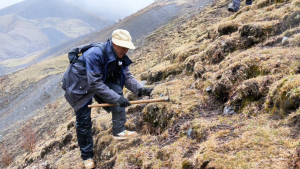
| Quality risks | High adulteration risk; possible heavy‑metal contamination from high‑altitude soil | Lab‑testable, consistent batch‑to‑batch potency |
| Cost | Extremely prohibitive for daily long‑term anti‑aging supplementation | Cost‑effective for cyclic everyday wellness use |
| Research source | Mostly older observational TCM documentation | Growing pre‑clinical cellular / animal anti‑aging mechanistic research |
| Practical recommendation | Not recommended for regular daily anti‑aging use | Preferred choice for longevity‑oriented supplementation |
Takeaway: For regular anti‑aging wellness supplementation select lab‑verified cultivated Cordyceps militaris. Wild‑harvested sinensis is impractical and unreliable for routine intake.
Recommended Usage, Dosage and Timing for Anti‑Aging Wellness
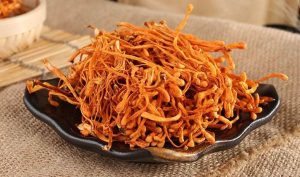
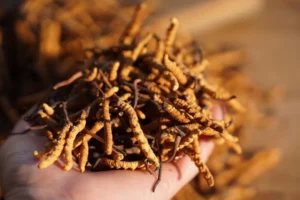
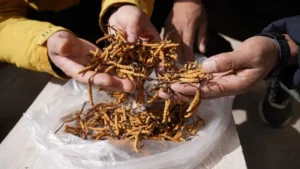
- Forms: Standardized dual‑extract capsules / powder (preferred for consistent cordycepin and polysaccharide levels); decoction tea (simmer dried fruiting‑bodies for 15‑20 minutes).
- Adult daily dosage for healthy‑aging goals: 1000‑2000 mg standardized Cordyceps militaris extract daily.
- Timing: Morning or early‑afternoon intake. A subset of sensitive individuals experience mild alertness; avoid large doses late in the evening to prevent sleep disturbance.
- Cyclic protocol: Take daily for 6‑8 weeks, followed by a 7‑day rest interval. Anti‑aging biological changes happen very gradually; do not expect fast cosmetic or physical transformations.
- Synergistic herbal combinations for healthy aging:
- cordyceps + astragalus root: combined Lung‑Spleen‑Kidney tonic; supports mitochondrial energy, immune balance and circulation
- cordyceps + schisandra berry: supports Nrf2 antioxidant defence, adaptogenic stress resilience
Critical Safety Guidelines & Contraindications
- Autoimmune conditions & immunosuppressants: Cordyceps is immune‑modulating. If you live with autoimmune illness or take transplant‑related immune‑suppressing drugs you must obtain specialist approval before starting, do not self‑supplement.
- Anticoagulant / anti‑platelet medications: Cordyceps shows mild anti‑platelet activity. Persons on blood‑thinners need doctor consultation for bleeding‑risk monitoring.
- Pre‑surgery: Discontinue cordyceps a minimum of two weeks before scheduled surgery due to theoretical bleeding risk.
- Pregnancy / breastfeeding: Avoid cordyceps, insufficient human‑safety data for these life‑stages.
- Diabetes medication: Cordyceps may mildly improve insulin sensitivity. People on insulin or oral anti‑diabetic drugs require blood‑glucose monitoring under medical supervision.
- Cordyceps is adjunct wellness support only. Healthy aging depends primarily on sleep, calorie‑balanced nutrition, regular movement, stress management and medical preventive screening; supplements cannot replace these foundational pillars.
Final Thoughts
Cordyceps anti‑aging interest arises from rich pre‑clinical longevity research targeting multiple hallmarks of aging: sirtuin regulation, autophagy, senescence suppression, mitochondrial protection and inflammaging reduction. However it is critical to separate promising cell‑and‑animal lab findings from proven human clinical outcomes. There is no human trial evidence that cordyceps extends human lifespan.
Used cyclically as part of a complete healthy‑lifestyle routine, lab‑tested cultivated Cordyceps militaris may support organ resilience, cellular energy, antioxidant and immune balance for graceful aging. It is not a miracle anti‑aging pill and cannot stop chronological aging itself. Always manage expectations and prioritize evidence‑based preventive health care.
Q1: Does cordyceps extend human lifespan? A: Positive lifespan results are seen in simple lab organisms such as worms, flies and cell models. There are no high‑quality human studies proving cordyceps increases human lifespan. Anti‑aging benefits in humans are limited to supporting wellness and tissue resilience, not life extension.
Q2: Can cordyceps reverse wrinkles and outward skin aging?
A: Pre‑clinical data shows it supports collagen synthesis and reduces UV‑oxidative skin damage. It works internally as complementary support. It cannot reverse deep established wrinkles; it is no replacement for sunscreen and evidence‑based topical skincare.
Q3: What is inflammaging and how does cordyceps act on it?
A: Inflammaging means chronic low‑grade inflammation accumulating with advancing age, driving deterioration of organs, joints, skin and brain. Cordyceps modulates NF‑κB and NLRP3 inflammasome pathways to moderate excessive persistent inflammatory signalling in pre‑clinical models. This effect has yet to be fully validated in large human trials.
Q4: How long should I take cordyceps for anti‑aging support?
A: Anti‑aging cellular changes develop slowly. Follow cyclic protocol: 6‑8 weeks daily intake, then one‑week rest. Noticeable shifts in energy and resilience often appear after 4‑8 weeks of consistent use; cosmetic changes are subtle if present at all.
Q5: Is cordyceps safe to combine with astragalus for anti‑aging?
A: Yes, this classic TCM pairing combines cordyceps Lung‑Kidney Jing tonification and astragalus Spleen‑Lung‑Wei‑Qi support. Together they target energy, circulation, antioxidant defence and immune resilience; prefer morning‑time dosing.
Q6: Are there side‑effects taking cordyceps for anti‑aging purposes?
A: Generally well‑tolerated by healthy adults. Rare mild digestive bloating or soft stools may occur on starting supplementation. Sensitive people can experience heightened alertness if taking high doses late in the evening. Discontinue if mushroom‑related allergic reaction occurs.
Q7: Is wild Ophiocordyceps sinensis superior to cultivated Cordyceps militaris for anti‑aging?
A: Not for regular daily use. Wild sinensis is extremely expensive, frequently adulterated and often has low, inconsistent cordycepin content. Cultivated Cordyceps militaris delivers standardized key bioactive compounds and is the practical choice for longevity‑oriented supplementation.
Interessante! A abordagem de atacar as causas celulares do envelhecimento, e não só os sintomas, faz muito sentido. Fico curioso para saber se o Cordyceps tem estudos clínicos robustos ou se é mais uma promessa da longevidade. De qualquer forma, é um lembrete de que a ciência está avançando em direção a um cuidado mais profundo. Vou pesquisar mais sobre isso. O
Interesting read! I’ve been taking cordyceps for about a year now, mostly for energy, but it’s good to see the science behind the cellular mechanisms finally getting attention. The focus on mitochondrial decline and autophagy makes sense — we’re so used to chasing superficial fixes when the real work happens at a deeper level.