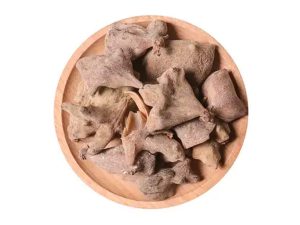
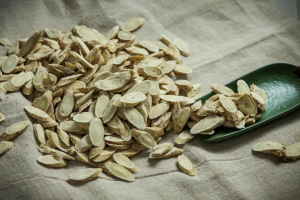
Dong Quai
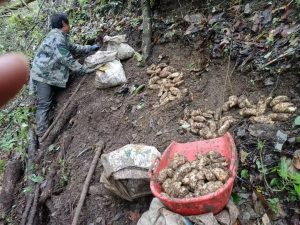
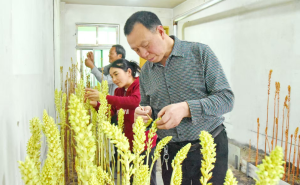
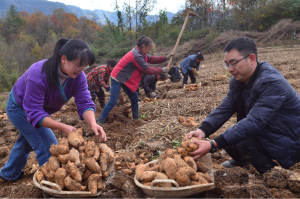
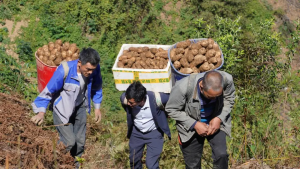
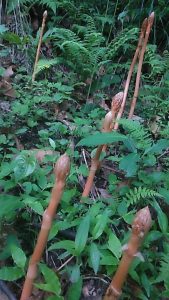
Gastrodia Elata
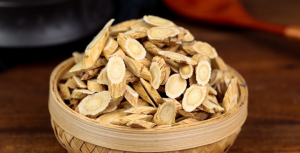
Astragalus
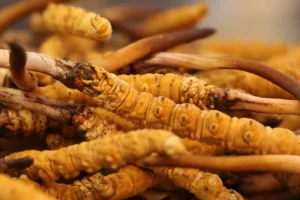
Cordyceps sinensis
cordyceps tea
Grains
Legumes

Wine

Wine, a name in traditional Chinese medicine. It is a beverage brewed from raw materials such as sorghum, barley, rice, sweet potatoes, corn, and grapes. It has the effects of promoting blood circulation and facilitating the action of medicinal substances. It is commonly used for wind-cold arthralgia, spasms of tendons and vessels, chest obstruction, heart pain, and cold pain in the epigastrium and abdomen.

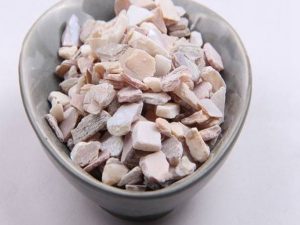
Turtle Shell

Turtle Shell, a name in traditional Chinese medicine. It is the shell of the turtle Chinemys reevesi (Gray), belonging to the genus Chinemys in the family Testudinidae. It has the effects of nourishing yin and subduing yang, benefiting the kidneys and strengthening the bones, nourishing the blood and tonifying the heart, and stabilizing the menstrual cycle to stop excessive bleeding.It is primarily used to treat yin deficiency with internal heat, bone-consuming fever and night sweats, persistent low-grade fever in the late stages of febrile diseases, yin-deficient consumptive cough, hemoptysis and epistaxis, dizziness due to liver yang hyperactivity, internal wind arising from deficiency, weakness and atrophy of tendons and bones, failure of the fontanelle to close, heart deficiency with palpitations, insomnia and forgetfulness, excessive menstrual bleeding and metrorrhagia, red and white vaginal discharge, syphilitic sores, and abscesses and swellings caused by toxic infections.

Vine Tea

Vine Tea is the name of a traditional Chinese medicine. It consists of the branches and leaves of Ampelopsis grossedentata (Hand.-Mazz.) W. T. Wang, a plant belonging to the genus Ampelopsis in the Vitaceae family. It has the effects of clearing heat, detoxifying, promoting diuresis, and reducing swelling. It is primarily used to treat wind-heat colds, sore throat, jaundice-type hepatitis, red and swollen eyes, boils and abscesses, diabetes, hyperlipidemia, and hypertension.

Lophatherum Leaves

Lophatherum gracile, a name in traditional Chinese medicine. It refers to the dried stems and leaves of Lophatherum gracile Brongn., a plant belonging to the genus Lophatherum in the Poaceae family. It has the effects of clearing heat and purging fire, relieving restlessness and quenching thirst, and promoting urination to relieve dysuria. It is primarily used to treat feverish illnesses accompanied by restlessness and thirst, scanty, red, painful, and difficult urination, and sores on the mouth and tongue.

Dong quai for PMS bloating

Dong Quai (Angelica sinensis) is a traditional herbal remedy that can ease premenstrual bloating, but it works only for specific root causes of PMS bloating, and it is not effective for all types of pre‑period abdominal distension. How Dong Quai Helps Relieve PMS Bloating Which PMS bloating responds best to Dong Quai ✅ Suitable profile … Read more

Does Dong Quai increase estrogen

Dong Quai (Angelica sinensis) is one of the most widely discussed female herbal ingredients, and a common user question is: does dong quai raise actual blood estrogen levels? The short answer: pure dong quai generally does not directly increase circulating serum estrogen in human blood. It exhibits selective phytoestrogen‑receptor binding, instead of stimulating the body … Read more

Angelica root (Dong Quai) iron deficiency

Angelica root (Dong Quai), widely known as dong quai, is a traditional blood‑tonifying herb frequently used for people with iron‑deficiency‑related fatigue, pale complexion and low hemoglobin. It is important to clarify: angelica root is not a high‑iron supplement, yet it supports the body’s response to iron deficiency through multiple biological pathways. Core Mechanisms Suitable Groups … Read more

Dong Quai menopause relief

Dong Quai (Angelica sinensis), often called “female ginseng”, is one of the most‑studied traditional botanicals for perimenopausal and menopausal discomfort. It does not supply human estrogen directly, yet delivers gentle supportive effects for women experiencing declining ovarian hormone production. Core Mechanisms for Menopause Support Menopause‑Related Symptoms That Dong Quai May Help Important note: Dong Quai … Read more

Dong Quai hormone balance

Dong quai does not contain human estrogen, but it carries phytoestrogen-like active substances plus hormone-regulating plant components, which gently adjust the female endocrine system, balance estrogen and progesterone levels, and relieve hormone imbalance symptoms caused by blood deficiency and qi stagnation. It is widely used for premenstrual syndrome, irregular cycles and menopausal endocrine disorders. 1. … Read more

Dong Quai menstrual cramps

Dong Quai (Angelica sinensis) is a classic herbal remedy for menstrual pain in TCM, but it only works for certain types of dysmenorrhea and is ineffective or even harmful for other kinds of cramps. 1. How Dong Quai relieves menstrual cramps 2. Which menstrual cramps does dong quai work best for? (Suitable cases) Type 1: … Read more

Dong Quai benefits for women

Dong Quai (Angelica sinensis) is known as “female ginseng” in traditional herbal medicine, primarily regulating menstruation, nourishing blood, relieving pain and moisturizing skin. Core Health Benefits for Females 1. Regulate irregular menstruation, relieve menstrual discomfort (the primary effect) 2. Replenish blood, improve anemia & pale complexion Women easily suffer blood deficiency from menstruation, childbirth, frequent … Read more

Zhaotong Gastrodia Elata Geographical Indication Herb Base

Situated in the Wumeng Mountains of Zhaotong City, Yunnan Province, the standardized Geographical Indication Herb Base focuses on cultivating authentic Zhaotong Gastrodia elata. Zhaotong Gastrodia elata was granted national geographical indication product protection in 2004. Only gastrodia planted, managed, harvested and processed within the defined origin scope of Zhaotong enjoys the legal right to use … Read more

Zhaotong Gastrodia Elata Wild Simulated Herb Planting Base

Located in the primitive oak broad-leaved forest belt of the Wumeng Mountains in Zhaotong, Yunnan Province, the wild simulated herb planting base takes natural mountain forests as the carrier to develop under-forest bionic planting of Zhaotong Gastrodia elata. Abiding by the principle of no tree felling, no arable land occupation, the base completely replicates the … Read more

Zhaotong Gastrodia Elata GAP Chinese Medicinal Herb Base

Located in the Wumeng Mountains of Zhaotong, Yunnan Province, the Zhaotong Gastrodia elata planting cluster boasts multiple standardized GAP Chinese medicinal herb bases, represented by the Xiaocaoba Demonstration Base in Yiliang County. Starting systematic research on Gastrodia GAP cultivation back in 2002, Zhaotong has built a complete production system complying with Good Agricultural Practice for … Read more