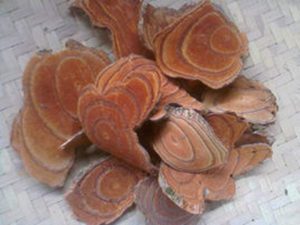
Dong Quai
Gastrodia Elata
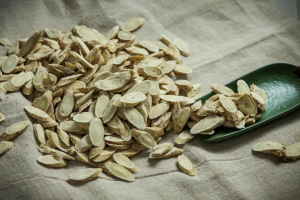
Astragalus
Goji berries
Licorice
Cordyceps
Chuanxiong

Kidney-Nourishing Herb

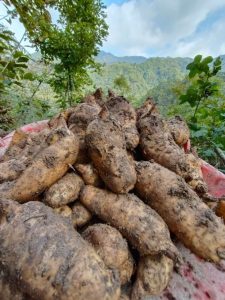
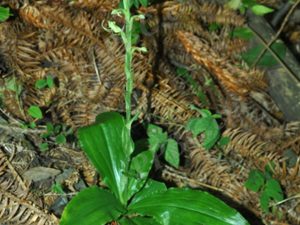
Renjingcao is the name of a traditional Chinese medicine. It is the tuber of Habenaria ciliolaris Kraenzl., a plant in the Orchidaceae family. It is distributed in the Yangtze River basin, Taiwan, and other areas. It has the effects of strengthening the lower back and tonifying the kidneys, clearing heat and draining dampness, and detoxifying. It is used to treat lower back pain due to kidney deficiency, nocturnal emissions, erectile dysfunction, leukorrhea, heat-induced dysuria, venomous snake bites, and boils and abscesses.

Mulberry Mantis

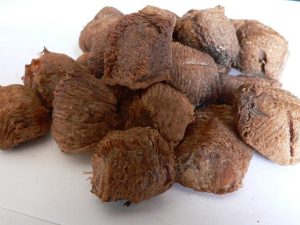
Mulberry Mantis Egg Case is a commonly used medicinal herb for consolidating semen, stopping leukorrhea, and reducing urination. It consists of the dried egg cases of the mantid insects Tenodera sinensis Saussure, Statilia maculata (Thurlberg), or Hierodula patellifera (Serville).These three species are commonly known as “Round Mantis Egg Case,” “Long Mantis Egg Case,” and “Black Mantis Egg Case,” respectively. They possess the therapeutic effects of consolidating semen, reducing urinary frequency, tonifying the kidneys, and enhancing yang energy. They are primarily used to treat nocturnal emissions, premature ejaculation, enuresis, frequent urination, and cloudy urine.

Old Stork Grass

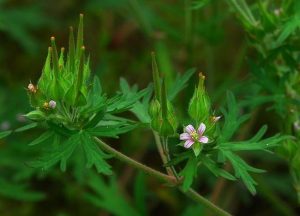
Stork’s Bill is a name for a traditional Chinese medicine. It refers to the dried aerial parts of plants from the Erodium family: Erodium stephanianum Willd., Geranium wilfordii Maxim., or Geranium carolinianum L. The first is commonly known as “Long-beaked Stork’s Bill,” while the latter two are commonly known as “Short-beaked Stork’s Bill.”It has the effects of dispelling wind-dampness, unblocking meridians, and stopping diarrhea and dysentery. It is primarily used to treat rheumatic pain, numbness and stiffness, aching muscles and bones, and diarrhea and dysentery.

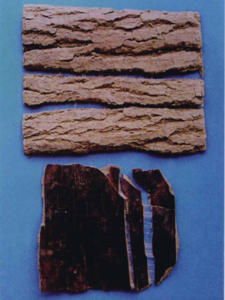
Eucommia

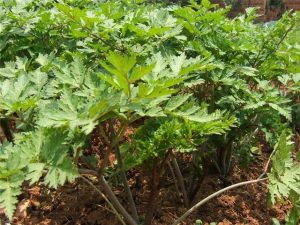
Eucommia is a medicinal herb used to tonify yang. It is derived from the bark of Eucommia ulmoides Oliv., a plant belonging to the genus Eucommia in the family Eucommiaceae. It has the effects of tonifying the liver and kidneys, strengthening tendons and bones, and stabilizing pregnancy. It is primarily used to treat liver and kidney deficiency, soreness and pain in the lower back and knees, weakness of tendons and bones, dizziness and vertigo, spontaneous vaginal bleeding during pregnancy, and fetal restlessness.

Can Licorice Root Lower Inflammation?

Yes, licorice root is a powerful, evidence-backed anti-inflammatory herb that lowers both acute tissue inflammation and chronic low-grade systemic inflammation throughout the body. As a herbal pharmacist, I consider licorice one of the most versatile natural anti-inflammatory botanicals available. Unlike narrow-target anti-inflammatory supplements, it reduces inflammation in the gut, liver, respiratory tract, and hormonal tissues … Read more
DGL vs. Regular Licorice Root: Which Is Better?

Neither DGL nor regular licorice root is universally “better”—each is superior for completely different health goals. As a herbal pharmacist, this is the most important rule for licorice supplementation: choose by purpose, not by general strength or safety. DGL is the undisputed better choice for all digestive issues, while full-spectrum regular licorice is far better … Read more

Can Licorice Root Help With Bloating?

Yes, licorice root is highly effective for resolving multiple types of chronic and acute bloating, especially inflammation-related, acid-driven, and stress-induced abdominal distension. As a herbal pharmacist, I regularly recommend licorice root—primarily DGL—to clients struggling with persistent bloating, stomach fullness, gassy distension, and post-meal abdominal heaviness. Unlike quick-fix gas relief supplements that only eliminate air, licorice … Read more

Does Licorice Root Raise or Lower Cortisol?

Licorice root does NOT directly raise or lower raw blood cortisol production—it preserves active cortisol longer and balances dysfunctional HPA-axis activity, creating a stabilizing bidirectional effect. As a herbal pharmacist, this is one of the most technically misunderstood licorice mechanisms. Unlike adaptogens that boost adrenal output or calming herbs that blunt cortisol spikes, full-spectrum licorice … Read more

Does Licorice Root Cause Weight Gain?

Licorice root does not cause genuine fat gain, but long-term uncycled overuse can trigger temporary water retention and bloating that mimics weight gain. As a herbal pharmacist, this is one of the most commonly misunderstood licorice side effects. Many users notice slight weight fluctuations after taking regular licorice and assume the herb slows metabolism or … Read more

Can Licorice Root Help PMS?

Yes, regular full-spectrum licorice root is highly effective for easing many common PMS symptoms by balancing estrogen-progesterone ratios, lowering inflammation, and stabilizing stress cortisol. As a herbal pharmacist, I frequently recommend cycled licorice root for clients struggling with monthly PMS flare-ups, including breast tenderness, mood swings, bloating, irritability, and menstrual cramping. Unlike temporary symptom relievers, … Read more

Is Licorice Root Good for Hot Flashes?

Yes, regular full-spectrum licorice root is an effective natural remedy for reducing mild to moderate hot flashes and menopausal night sweats. As a herbal pharmacist, I often recommend cycled licorice root for perimenopausal and menopausal clients struggling with frequent heat flashes, sudden body warmth, flushing skin, and sleep-disrupting night sweats. Unlike temporary cooling remedies, licorice … Read more

Is Licorice Root Bad for Kidneys?

Licorice root is not bad for healthy kidneys with short-term, cycled use—but chronic overuse or high doses can cause significant kidney strain and electrolyte-related renal complications. As a herbal pharmacist, kidney safety is one of the most overlooked topics for licorice users. Many people assume herbal roots are inherently kidney-safe, but full-spectrum licorice contains glycyrrhizin, … Read more

Can Licorice Root Help With Stomach Inflammation?

Yes, licorice root is one of the most evidence-backed herbal remedies for reducing acute and chronic stomach inflammation (gastritis). As a herbal pharmacist, I frequently recommend licorice root—especially DGL—to clients struggling with inflamed stomach lining, post-meal burning, chronic gastritis, and mild inflammatory digestive irritation. Unlike antacids that only neutralize acid temporarily, licorice targets the actual … Read more

Is Licorice Root Good for Your Liver?

Yes, licorice root offers powerful evidence-backed liver-protective, antioxidant, and detox-support benefits when used correctly—but it can cause liver stress if overused or misdosed. As a herbal pharmacist, licorice is one of my top natural botanicals for supporting liver enzyme balance, reducing hepatic inflammation, and protecting liver cells from oxidative damage. Many people overlook licorice’s liver … Read more