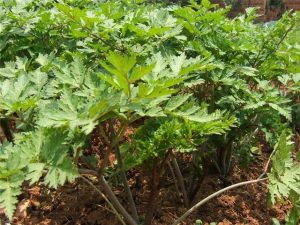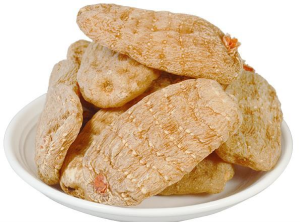
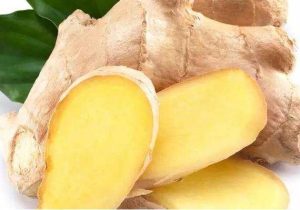
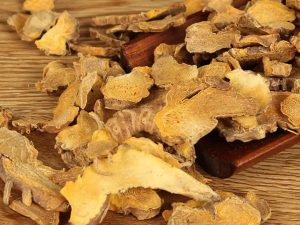
Dong Quai
Gastrodia Elata
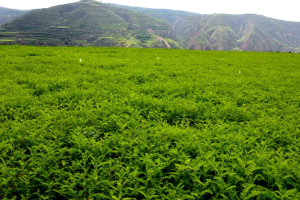
Astragalus
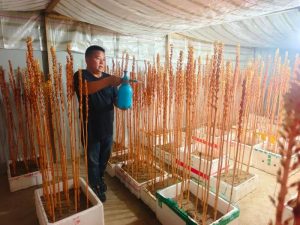
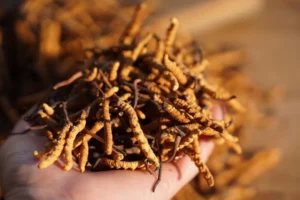
Cordyceps sinensis
cordyceps tea
Grains
Legumes

Wolf Purple Grass

Wolf Purple Grass, a name in traditional Chinese medicine. It refers to the leaves of Lycopsis orientalis L., a plant in the Boraginaceae family. It is distributed in North China, Northwest China, and other regions. It has detoxifying, anti-inflammatory, and analgesic properties. It is commonly used to treat sores and swellings.

Emei Screen Grass

Emei Screen Grass, a name in traditional Chinese medicine. It refers to the whole plant of Tanakaea omeiensis, a member of the Saxifragaceae family. It is distributed in Sichuan. It has the therapeutic effects of clearing heat and subduing wind. It is commonly used to treat high fever with convulsions and epileptic seizures.

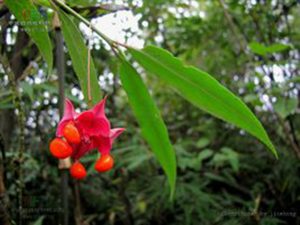
Red Dogwood Fruit

Red Dogwood Fruit, a name in traditional Chinese medicine. It is the fruit of Swida alba Opiz, a plant in the Cornaceae family. It is distributed in Northeast China, North China, and regions including Shaanxi, Gansu, Qinghai, Shandong, Jiangsu, Zhejiang, and Jiangxi. It has the efficacy of nourishing the kidneys and strengthening the body. It is commonly used to treat lower back pain caused by kidney deficiency and general weakness and emaciation.

Cinnabar

Cinnabar is a commonly used medicinal herb with heavy-calming and sedative properties. It is a sulfide mineral belonging to the cinnabar group, primarily composed of mercury sulfide (HgS). It has the effects of clearing the heart, calming convulsions, soothing the mind, improving vision, and detoxifying.It is commonly used to treat palpitations and easily startled states, insomnia with frequent dreaming, epilepsy and mania, infantile convulsions, blurred vision, mouth ulcers, sore throat, and swollen, toxic sores.

Dai Dai Hua (Bitter Orange Flower): Uses for Digestion and Heart Health

**Dai Dai Hua (Bitter Orange Flower)**: Flower buds of *Citrus aurantium* L. (Rutaceae), a woody plant. 【Nature, Flavor, and Meridian Tropism】Slightly cold in nature, with bitter and sour flavors. 【Actions and Indications】Moves qi and broadens the center, promotes digestion, transforms phlegm, soothes the liver and regulates qi, harmonizes the stomach and stops vomiting. [Indicated for] … Read more

Hemp Seed (Fructus Cannabis)

Hemp seed: The seed kernel of the cannabis plant (Cannabis sativa L.) from the Moraceae family, a Chinese medicinal herb, referring to the dried mature fruit of Cannabis sativa L. Mainly produced in Shandong, Hebei, Heilongjiang, Jilin, and Liaoning. This substance has the effect of moistening the intestines to relieve constipation, and is primarily used … Read more

Chaenomelis Fruit

The nearly ripe fruit of Chaenomeles sinensis (Thouin) Koehne, a plant of the Rosaceae family. 【Properties, Flavors and Meridian Tropism】 Warm in property, sour in flavor. Attributed to the Liver Meridian and Spleen Meridian. [Efficacy and Actions] Calm the liver, relieve tendon rigidity, harmonize the stomach, and resolve dampness. It belongs to the herbs for … Read more

Fructus Mume

The dried nearly mature fruit of Prunus mume (Sieb.) Sieb. et Zucc., a plant of the Rosaceae family. [Properties, Flavors and Meridian Tropism] Sour, astringent, neutral. Meridian tropism: Liver, Spleen, Lung, and Large Intestine Meridians. 【Actions and Indications】 Astringing the lung, astringing the intestines, promoting fluid production, and calming roundworms. Indicated for chronic cough due … Read more

Purslane (Ma Chi Xian)

Purslane

Botanical Source The whole herb of Portulaca oleracea L., a plant of the Portulacaceae family. Nature, Flavor & Meridian Tropism Sour in flavor, cold in nature. It acts on the Liver and Large Intestine meridians. Functions & Indications Clears heat and detoxifies, dissipates blood stasis and relieves swelling. It is used to treat bacillary dysentery, … Read more

Hawthorn

Hawthorn

Botanical Source Hawthorn The dried ripe fruits of Crataegus pinnatifida Bge. var. major N.E.Br. or Crataegus pinnatifida Bge., plants of the Rosaceae family. Nature, Flavor & Meridian Tropism Sour and sweet in flavor, slightly warm in nature. It acts on the Spleen, Stomach and Liver meridians. Functions & Indications Promotes digestion and invigorates the stomach, … Read more

Chinese Yam

Chinese Yam

Botanical Source The tuber of Dioscorea oppositifolia L., a plant of the Dioscoreaceae family. Nature, Flavor & Meridian Tropism Sweet in flavor, neutral in nature. It acts on the Spleen, Lung and Kidney meridians. Functions & Indications Tonifies qi and nourishes blood, invigorates the spleen, lung and kidney, consolidates essence and relieves leukorrhea. It is … Read more

Field Thistle (Xiao Ji)

Field Thistle

Botanical Source The dried aerial parts (flowering whole herb) of Cephalanoplos segetum (Bunge) Kitam. [Cirsium segetum Bunge], a species in the Asteraceae family. Its rhizome can also be used medicinally. Nature, Flavor & Meridian Tropism Sweet and bitter in flavor, cool in nature. It acts on the Heart and Liver meridians. Functions & Indications Cools … Read more

Fennel (Xiao Hui Xiang)

Fennel

Botanical Source The ripe fruit of Foeniculum vulgare Mill., a plant of the Apiaceae family. Nature, Flavor & Meridian Tropism Pungent in flavor, warm in nature. It acts on the Liver, Kidney, Spleen and Stomach meridians. Functions & Indications Dispels cold and relieves pain, regulates qi and harmonizes the stomach, warms the kidney and reduces … Read more

Sword Bean (Dao Dou)

Sword Bean

Botanical Name: Canavalia gladiata (Jacq.) DC. Common Names: Sword jackbean, Sabre bean Family & Genus: Fabaceae, Canavalia. It is a twining herbaceous plant. Morphological Characteristics The vine can grow several meters long. It bears pinnately compound leaves with ovate leaflets that have broadly cuneate bases; lateral leaflets are oblique. Petioles are generally shorter than leaf … Read more