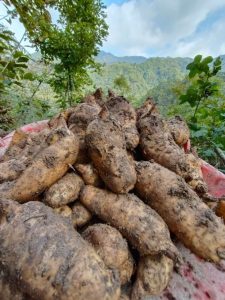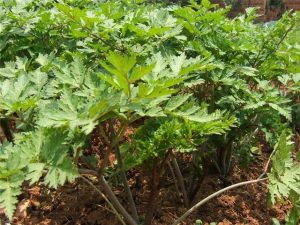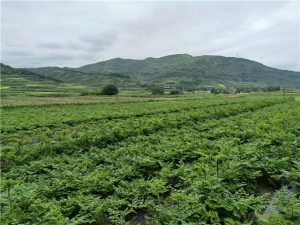
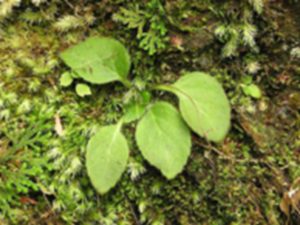
Dong Quai
Gastrodia Elata
Astragalus
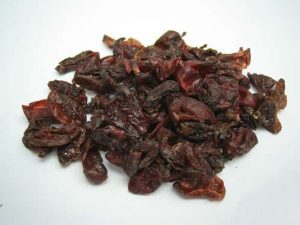
Goji berries
Licorice
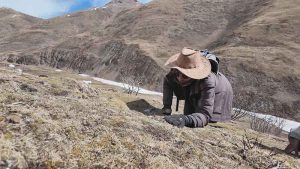
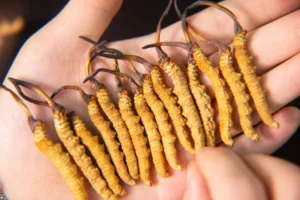
Cordyceps
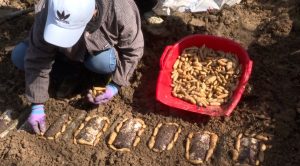
Chuanxiong

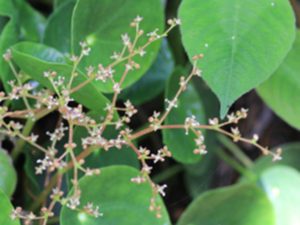
Lacquer Leaf

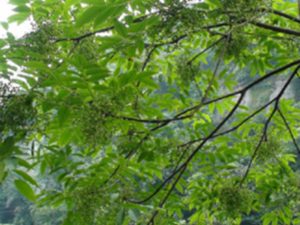
Lac Leaf, a name in traditional Chinese medicine. It refers to the leaves of the lacquer tree (Toxicodendron vernicifluum (Stokes) F.A. Barkl.), a plant belonging to the genus Toxicodendron in the Anacardiaceae family.It is distributed throughout China, except in Heilongjiang, Jilin, Inner Mongolia, and Xinjiang. It has the effects of promoting blood circulation, detoxifying, killing parasites, and promoting wound healing. It is primarily used to treat purpura, facial swelling and discoloration, traumatic bruising and bleeding, ulcerated sores, scabies, and lacquer poisoning.

Wine

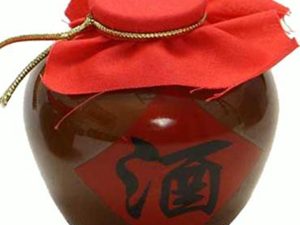
Wine, a name in traditional Chinese medicine. It is a beverage brewed from raw materials such as sorghum, barley, rice, sweet potatoes, corn, and grapes. It has the effects of promoting blood circulation and facilitating the action of medicinal substances. It is commonly used for wind-cold arthralgia, spasms of tendons and vessels, chest obstruction, heart pain, and cold pain in the epigastrium and abdomen.

Goose Meat

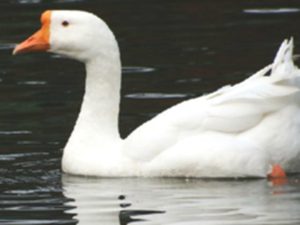
Goose meat, a name in traditional Chinese medicine. It is the meat of the domestic goose (Ansercygnoides orientalis (L.)) of the Anatidae family. It is commonly raised in East and South China. It has the effects of tonifying qi, replenishing deficiency, harmonizing the stomach, and quenching thirst. It is often used to treat emaciation due to deficiency and diabetes.

Leech Ginseng

Ma Huang Qi, a name in traditional Chinese medicine.It is the rhizome of Didymocarpus fimbrisepalus (Hand.-Mazz.) Hand.-Mazz., a plant in the Gesneriaceae family. It is distributed in Guangxi and other areas. It has the effects of strengthening the spleen and harmonizing the middle burner, clearing heat and removing dampness, and reducing swelling and relieving pain. It is commonly used for stomach pain, childhood malnutrition, hepatitis, reducing swelling and relieving pain, bone setting, and treating contusions and bruises.

What food cannot eat with Gastrodia elata

Gastrodia elata is a common medicinal herb for relieving dizziness, headache and insomnia, yet certain foods will counteract its efficacy, amplify side effects such as hypotension and diarrhea, or trigger digestive discomfort when consumed together with Gastrodia elata. For better safety and medicinal effect, specific food combinations should be strictly avoided. This article follows Google … Read more
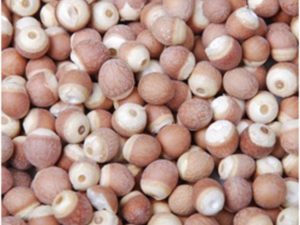
Elderly dosage safety of Gastrodia elata

Gastrodia elata is commonly used by elderly adults to relieve hypertension dizziness, chronic headache, insomnia, neural numbness and senile anxiety, yet seniors feature declined liver & kidney metabolism, fragile cardiovascular function and multiple underlying illnesses, making them far more susceptible to overdose side effects than younger adults. Strict age-specific dosage limits and administration rules are … Read more

Autoimmune disease Gastrodia elata safe usage

Gastrodia elata is a widely used medicinal herb with neuroprotective, anti-inflammatory, and immunomodulatory properties, making it both a potential supportive remedy and a high-precaution herbal option for people living with autoimmune diseases. Unlike ordinary health herbs, Gastrodia elata delivers dual effects on the human immune system: it can relieve autoimmune-related nerve inflammation, migraine, and insomnia, … Read more

People with liver kidney disease use Gastrodia elata

Healthy cultivated sulfur-free gastrodia has no direct hepatotoxic or nephrotoxic ingredients, but patients with liver or kidney damage cannot take Gastrodia elata casually for long-term daily health care. It may increase metabolic burden, worsen organ ischemia, and only short-term low-dose use is permitted under physician monitoring when necessary. Wild sulfur-fumigated gastrodia is strictly forbidden. 1. … Read more

Low blood pressure people take Tianma danger

People suffering from hypotension (baseline blood pressure consistently below 90/60 mmHg) face clear safety risks if consuming Tianma, and routine consumption is contraindicated. The core hazard lies in Tianma’s inherent vasodilating effect lowering blood pressure further. 1. Core mechanism of risk Gastrodin relaxes vascular smooth muscle, dilates systemic arteries and capillaries, reduces peripheral vascular resistance, … Read more

Can children kids take Gastrodia elata safely

General conclusion: Healthy children do not need and should not take gastrodia regularly for health care. Only children with specific medical problems may use it temporarily under pediatric TCM supervision with strict low doses. Long-term daily use is unsafe for minors. 1. Suitable scenarios (medical use only, doctor prescription required) Gastrodia is occasionally prescribed for … Read more

Gastrodia elata incompatible herbs Veratrum

1. Classic herbal incompatibility rule In traditional Chinese medicine eighteen antagonistic medicinal pairs (Shiba Fan), the rule clearly states: Veratrum (Lilu, 藜芦) counteracts Gastrodia elata (Tianma). Gastrodia elata must never be combined with any veratrum species: black veratrum, white veratrum, veratrum root, veratrum rhizome. 2. Why they are incompatible (toxicological mechanism) (1) Toxic synergistic amplification … Read more

Can I take Tianma with diabetes medicine

Overall, qualified sulfur-free cultivated Tianma can be used together with diabetes drugs safely under monitoring, but unsupervised long-term combined intake carries hidden risks of blood sugar fluctuations and hypotension. Self-administration is not recommended. 1. Beneficial interaction effects (proven by modern research) 2. Key risks of combined use Risk 1: Overlapping hypoglycemia (the greatest danger) Risk … Read more

Gastrodia elata and antidepressants together safe

Gastrodia elata is often used to relieve anxious mood, nervous tension, sleep disturbance caused by depression, but pairing it with prescription antidepressants carries overlapping pharmacological effects that create potential safety risks; the combination is not safe for self-administration and is only permitted under psychiatrist supervision. 1. Pharmacological overlapping effects (the core risk source) (1) Superposed … Read more

Gastrodia elata interaction with blood thinners warfarin

Gastrodia elata carries anti-platelet activity, so concurrent consumption with warfarin, apixaban, rivaroxaban and other anticoagulant blood thinners creates a synergistic bleeding risk, which may lead to hidden bleeding, bruising, or dangerous hemorrhage in severe cases. This combination must never be used without physician approval. 1. Mechanism of interaction 2. Gradually emerging bleeding adverse symptoms Mild … Read more