Dong Quai
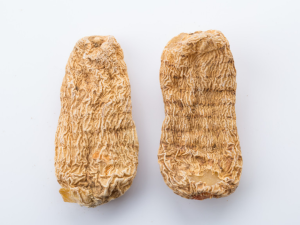
Gastrodia Elata
Astragalus
Goji berries
Licorice
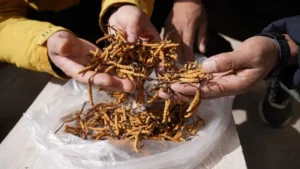
Cordyceps
Chuanxiong

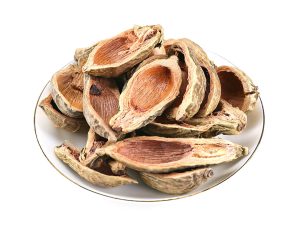
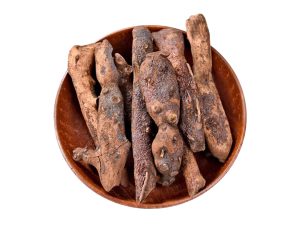
Drynaria

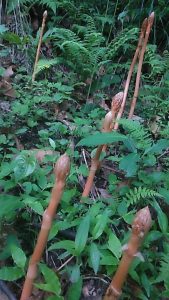
Drynaria, a traditional Chinese medicine, is the dried rhizome of Drynaria fortunei (Kunze) J.Sm., a plant belonging to the genus Drynaria in the family Polypodiaceae.This product has the therapeutic effects of healing injuries and relieving pain, tonifying the kidneys and strengthening bones, and dispelling wind and removing spots (for external use). It is primarily used to treat falls, blows, sprains, and strains; fractures and bone injuries; lower back pain due to kidney deficiency; weakness and atrophy of tendons and bones; tinnitus and deafness; loose teeth; alopecia areata; and vitiligo.

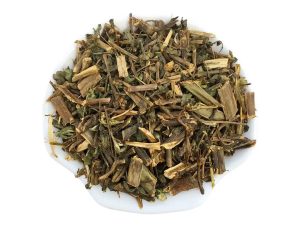
Eclipta

Eclipta prostrata, a traditional Chinese medicine. It is the dried aerial parts of Eclipta prostrata L., a plant in the genus Eclipta of the Asteraceae family. It has the effects of tonifying the liver and kidneys, cooling the blood, and stopping bleeding.It is primarily used to treat liver and kidney yin deficiency, loose teeth, premature graying of hair, dizziness and tinnitus, soreness and weakness in the lower back and knees, hemoptysis, epistaxis, hematuria, bloody diarrhea, metrorrhagia and menorrhagia, and bleeding from external injuries caused by yin deficiency and blood heat.

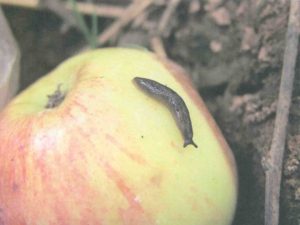
Slugs

Slugs, a name for a traditional Chinese medicinal material. It consists of the entire body of the yellow slug (Limax fravus (Linnaeus)) and the wild slug (Agriolimax agrestis (Linnaeus)) from the Limacidae family. It has the effects of dispelling wind and calming convulsions, clearing heat and detoxifying, and reducing swelling and relieving pain.It is primarily used to treat stroke-induced facial paralysis, stiffness and spasms of the tendons and meridians, convulsions, shortness of breath, swelling of the throat, laryngeal obstruction, abscesses, erysipelas, pharyngeal nodules, swollen and painful hemorrhoids, and rectal prolapse.

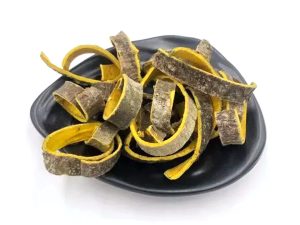
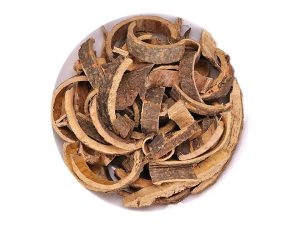
Albizia Bark

Albizia Bark, a name in traditional Chinese medicine. It is the bark of Albizia julibrissin Durazz., a plant of the genus Albizia in the Fabaceae family. It has the effects of relieving depression and calming the mind, as well as promoting blood circulation and reducing swelling. It is primarily used for restlessness, anger, and depression; irritability and insomnia; contusions and bruises; torn tendons and fractures; swelling and pain caused by blood stasis; as well as lung abscesses, boils, and toxic swellings.

Turmeric

Turmeric (Jianghuang) is a Chinese medicinal herb. It is the dried rhizome of Curcuma longa L., a plant in the Zingiberaceae family. It supports healthy blood circulation and qi flow, and helps maintain comfortable movement of the meridians and joints. It is traditionally used to support normal chest and rib area comfort, maintain a balanced … Read more
Astragalus

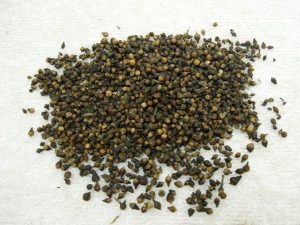
(Astragalus membranaceus), a Chinese medicinal herb. It is the dried root of Astragalus membranaceus (Fisch.) Bge. var. mongholicus (Bge.) Hsiao or Astragalus membranaceus (Fisch.) Bge., plants of the genus Astragalus in the Leguminosae family. It supports healthy Qi (vital energy) elevation, helps maintain a strong exterior (Wei Qi) and normal perspiration, promotes healthy fluid metabolism … Read more

Cordyceps

Cordyceps

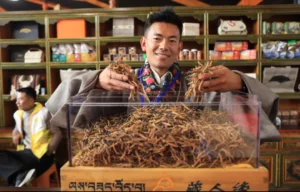
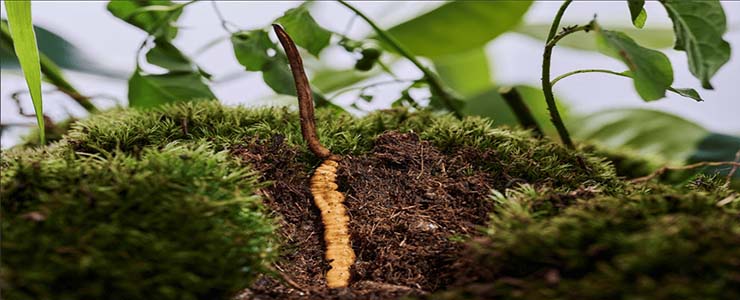
Cordyceps sinensis (Dongchongxiacao), a Chinese herbal medicine, is a dried composite of the stroma and larval corpse of the parasitic fungus *Cordyceps sinensis* (Berk.) Sacc. (family Clavicipitaceae) on the larva of a hepialid moth. It is mainly produced in Sichuan, Tibet, and Qinghai. This herb is sweet in taste and neutral in nature, entering the … Read more

Reishi mushroom

Lingzhi, a Chinese herbal medicine, is the dried fruiting body of the fungus *Ganoderma lucidum* (Leyss.ex Fr.) Karst. (known as Red Reishi) or *Ganoderma sinense* Zhao, Xu et Zhang (known as Purple Reishi) in the family Polyporaceae. It supports Qi and calms the spirit, and helps maintain normal respiratory function. It helps with occasional restlessness … Read more

Ginseng

Panax ginseng C. A. Mey. (Ren Shen) is a perennial herbaceous plant belonging to the Araliaceae family, genus Panax. It can grow up to 60 cm in height; the rhizome is short, and the main root is fusiform. Palmate compound leaves, 3–6, are whorled at the stem apex; petioles are 3–8 cm long, glabrous. Leaflets … Read more

Goji Berry

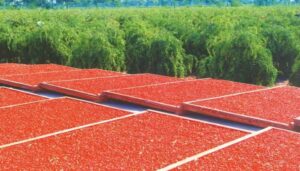
Goji Berry (Lycium barbarum), also known as Gou Qi Zi. It is highly popular abroad, and foreign media refer to it as “Goji Berry.” Following in the footsteps of Laoganma and Mayinglong, a new Chinese specialty has taken the foreign world by storm: goji berry (Lycium barbarum). Foreigners find goji berries incredibly useful, steeping them … Read more

Sargassum (Kunbu)

Kunbu (Kelp): The thallus of Laminaria japonica Aresch. (family Laminariaceae) or Ecklonia kurome Okam. (family Alariaceae). **Nature, Taste, and Meridian Tropism**: Cold in nature, salty in taste. Belongs to the Liver Meridian of Foot-Jueyin (LR), the Stomach Meridian of Foot-Yangming (ST), and the Kidney Meridian of Foot-Shaoyin (KI). 【Actions and Indications】Softens hardness and dissipates masses, … Read more

Hordeum vulgare (Maiya)

Malt: Dried germinated caryopsis of the mature fruit of *Hordeum vulgare* L. (Poaceae). **Nature and Flavor:** Neutral nature, sweet flavor. **Meridian Tropism:** Spleen Meridian (SP) and Stomach Meridian (ST). Actions and Indications: Moves qi and promotes digestion, strengthens the spleen and stimulates appetite, reduces lactation and relieves distension. This is a digestant medicinal. **【Pharmacological Research】** … Read more

Galli Gigerii Endothelium Corneum (Chicken Gizzard Membrane, Jineijin)

Jineijin (Chicken Gizzard Membrane): derived from the dried inner wall of the gizzard of the domestic chicken, *Gallus gallus domesticus* Brisson. **【Nature, Flavor, and Meridian Tropism】** Nature: neutral; Flavor: sweet. Meridian tropism: Spleen Meridian of Foot-Taiyin (SP), Stomach Meridian of Foot-Yangming (ST), Small Intestine Meridian of Hand-Taiyang (SI), Bladder Meridian of Foot-Taiyang (BL). 【Actions and … Read more

Colla Corii Asini

Colla Corii Asini (Ejiao): The skin of Equus asinus L., a horse family animal, processed through decoction and concentration to form a solid gelatin. 【Nature, Flavor, and Meridian Tropism】Neutral nature, sweet flavor. Enters the Lung Meridian (LU), Liver Meridian (LR), and Kidney Meridian (KI). **Actions and Indications:** Nourishes blood and enriches yin, moistens dryness, and … Read more