










Chinese Body Clock | TCM Organ Clock

03:58
丑时 · 01:00 - 03:00 · 肝经当令
《黄帝内经》:“人卧则血归于肝”
The Liver Meridian Is in Season: The Body’s “Silent Deep Clean”
Essence of Wellness: Deep sleep allows the liver to undergo a “deep clean.”
Popular Interpretation: The liver stores blood and governs its free flow. At this time, yin blood returns to the liver, where it nourishes it. The liver at this moment is like a “blood bank”; during the Chou hour, blood returns to the bank for “maintenance.” If you’re still staying up late, binge-watching shows, or getting angry at this time, it’s like forcing the “blood bank” to work overtime to keep you entertained. Over time, this leads to a buildup of toxins, causing a dull complexion and irritability.
Recommendations: Make sure you are in a deep sleep during the Hour of the Ox. Avoid emotional agitation and eating before bedtime to give your liver a quiet environment in which to function.

Harnessing Acupoints to Stimulate the Body’s Self-Healing

Stimulating acupoints can indeed help activate the body’s self-healing abilities, a claim supported by traditional Chinese medicine theory. The core principle involves stimulating key points along the meridians through methods such as massage and moxibustion to unblock the meridians, harmonize qi and blood, and strengthen the body’s vital energy, thereby aiding the body’s self-repair. Modern ... Read more

Diagnosis and Treatment of Sweating Disorders

The core symptom of excessive sweating is frequent, bilateral, and symmetrical profuse sweating in specific areas of the body (such as the armpits, palms, soles of the feet, and scalp) without any obvious triggers (such as high temperatures or exercise). These episodes occur at least once a week but do not occur during nighttime sleep.‌‌‌ ... Read more

Diagnosis and Treatment of Hypertension

In Traditional Chinese Medicine, blood pressure is viewed through the lens of imbalances in qi, blood, yin, and yang: high blood pressure is often attributed to “excessive liver yang,” while low blood pressure is often attributed to “deficiency of qi and blood.” The Story of Washing the Floor With the Spring Festival approaching, my wife ... Read more

How to Distinguish Between Deficiency and Excess Syndromes

“Deficiency and Excess Syndromes” are a pair of core principles in the Eight Principles of Differential Diagnosis in Traditional Chinese Medicine.‌ Simply put, a “Deficiency Syndrome” refers to a deficiency of the body’s vital energy (zhengqi) and a decline in organ function, such as qi deficiency, blood deficiency, yin deficiency, and yang deficiency; an “Excess ... Read more

Diagnosis and Treatment of Affluent Diseases

“Affluent Diseases”—commonly referred to in Chinese as “wealth-related diseases”—refer to a class of chronic, noncommunicable diseases closely associated with affluent lifestyles, with the core contributing factors being excessive nutrition and insufficient physical activity.‌‌ These conditions do not constitute a single disease but rather a collective term for a group of metabolic disorders. The most common ... Read more

Moderation In All Things; Excess Leads to Harm

The saying, “In all things, do not overdo it; excess will surely harm the body,” boils down to the concept of “moderation”—whether it’s eating, working, managing emotions, or enjoying oneself, once you go too far, both your physical and mental health are prone to problems. This saying is particularly common in traditional Chinese medicine and ... Read more

Treating Bad Breath and Dizziness

Dizziness refers to a sensation of mental fogginess or lack of clarity, typically without a feeling of the world spinning; it is often associated with insufficient blood flow to the brain, sleep disorders, or chronic fatigue.‌ The Difference Between Dizziness and Vertigo ‌Dullness in the Head‌: A sensation of heaviness and dullness in the head, ... Read more

One Disease, One Medicine, The Best Therapeutic Effect

The saying “one illness, one medicine” is not wrong in itself, but the key to “the best therapeutic effect” lies not in how good the medicine is, but in whether it is the right treatment for the condition. No single medicine can cure all illnesses; it is only the right one that works best. The ... Read more

Search for Herbal Teas Recipes by Symptom:

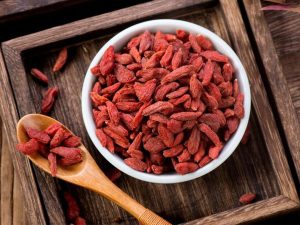
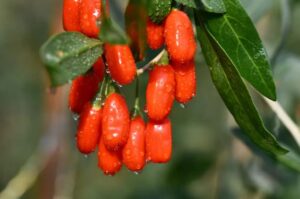
Goji Berries

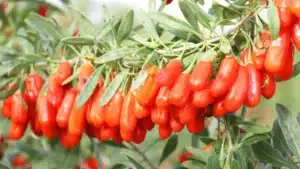
Goji berries, a traditional Chinese medicine, are the dried, ripe fruits of Ningxia goji (Lycium barbarum L.), a plant belonging to the genus Lycium in the Solanaceae family. They have the effects of tonifying the liver and kidneys, nourishing essence, and improving eyesight. They are primarily used to treat deficiency-syndrome with essence depletion, soreness and pain in the lower back and knees, dizziness and tinnitus, impotence and nocturnal emission, internal heat with excessive thirst, blood deficiency with pallor and weakness, and blurred vision.

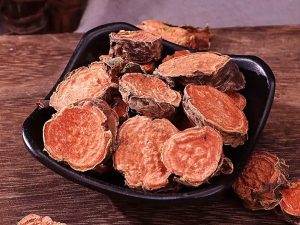
Red Rhodiola

Rhodiola is the name of a traditional Chinese medicine. It consists of the dried roots and rhizomes of Rhodiola crenulata (Hook.f. et Thoms.) H. Ohba, a plant in the Crassulaceae family. It has the effects of tonifying qi, promoting blood circulation, unblocking meridians, and relieving wheezing. It is primarily used to treat qi deficiency with blood stasis, chest pain due to bi syndrome, hemiplegia caused by stroke, and fatigue with shortness of breath.

Gastrodia elata

Tianma is a traditional Chinese medicinal herb used to calm the liver and subdue wind. It is the dried tuber of Gastrodia elata Bl., a plant in the genus Gastrodia of the Orchidaceae family. It has the effects of subduing wind and relieving spasms, calming liver yang, and dispelling wind to unblock the meridians.It is primarily used to treat infantile convulsions, epileptic seizures, tetanus, headaches and dizziness, paralysis of the hands and feet, numbness of the limbs, and rheumatic arthralgia.

Licorice Root

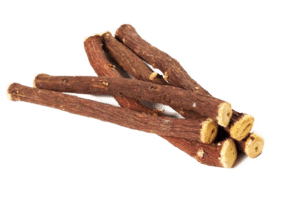
Licorice is a commonly used Chinese medicinal herb derived from the dried roots and rhizomes of the leguminous plants Glycyrrhiza, Glycyrrhiza glabra, or Glycyrrhiza glabra var. glabra. It is named for its sweet taste. It is primarily produced in Inner Mongolia, Shaanxi, Gansu, and the Northeast, where unique geographical and climatic conditions endow it with excellent medicinal properties.Licorice has the effects of tonifying the spleen and boosting qi, clearing heat and detoxifying, eliminating phlegm and relieving cough, and alleviating spasms and pain. It is commonly used to treat spleen and stomach deficiency, deficiency of heart qi, heat-toxin syndromes, cough, and spasmodic pain in the epigastrium, abdomen, or limbs. It also harmonizes other herbs, mitigates drug toxicity, and balances the properties of medicinal materials, making it widely used in herbal formulas. In addition, licorice can be incorporated into daily diets to provide certain health-promoting benefits.

Cordyceps

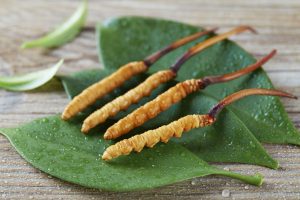
Cordyceps, a name in traditional Chinese medicine. It is the dried composite of the fruiting body and the corpse of a caterpillar from the family Sphingidae, parasitized by the fungus Cordyceps sinensis (Berk.) Sacc. of the Clavicipitaceae family. It is primarily produced in Sichuan, Tibet, and Qinghai.This herb has a sweet taste and neutral nature; it enters the Lung and Kidney meridians. It has the effects of tonifying the kidneys and nourishing the lungs, as well as stopping bleeding and resolving phlegm. It can be used to treat kidney deficiency with essence depletion, impotence and nocturnal emission, soreness and pain in the lower back and knees, chronic cough with wheezing due to deficiency, and coughing up blood due to overwork.

Chuanxiong

Chuanxiong is the name of a traditional Chinese medicine. It is the dried rhizome of the plant Ligusticum chuanxiong Hort. of the Apiaceae family. Authentic medicinal materials specifically refer to Chuanxiong produced in the central hilly and plain areas of the Sichuan Basin, including Dujiangyan, Pixian, Pengzhou, Shifang, Chongzhou, Qionglai, and Meishan.This herb has the effects of promoting blood circulation, regulating qi, dispelling wind, and relieving pain. It is primarily used to treat chest pain due to chest obstruction, stabbing pain in the chest and flanks, swelling and pain from falls or blows, irregular menstruation, amenorrhea, dysmenorrhea, abdominal pain caused by masses, headaches, and rheumatic arthralgia.

Dong Quai

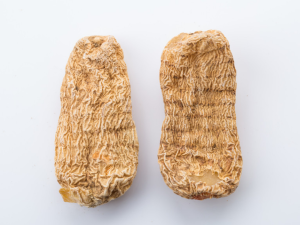
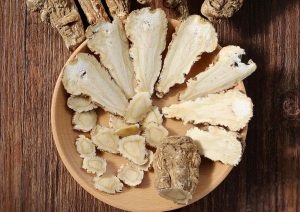
Dong Quai is a blood-nourishing medicinal herb derived from the root of Angelica sinensis (Oliv) Diels, a plant belonging to the genus Angelica in the Apiaceae family. It has the effects of nourishing and invigorating the blood, regulating menstruation and relieving pain, and moistening the intestines to promote bowel movements.It is primarily used to treat blood deficiency with pallor, dizziness and palpitations, irregular menstruation, amenorrhea and dysmenorrhea, abdominal pain due to deficiency-cold, rheumatic arthralgia, trauma from falls or blows, boils, abscesses, and sores, as well as constipation caused by intestinal dryness.

Astragalus

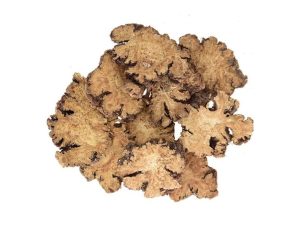
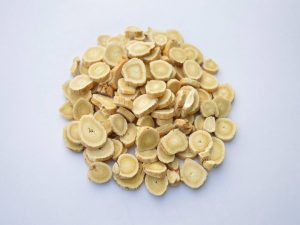
Astragalus is the name of a traditional Chinese medicine. It is the dried root of Astragalus membranaceus (Fisch.) Bge. var. mongholicus (Bge.) Hsiao or Astragalus membranaceus (Fisch.) Bge., plants belonging to the genus Astragalus in the Fabaceae family.It has the effects of tonifying qi and raising yang, consolidating the exterior and stopping sweating, promoting diuresis and reducing edema, generating body fluids and nourishing blood, resolving stagnation and relieving arthralgia, expelling toxins and draining pus, and promoting wound healing and tissue regeneration.It is primarily used to treat qi deficiency with fatigue, poor appetite and loose stools, sinking of central qi, chronic diarrhea with rectal prolapse, bloody stools and metrorrhagia, spontaneous sweating due to exterior deficiency, edema caused by qi deficiency, internal heat with excessive thirst, pallor and weakness due to blood deficiency, hemiplegia, arthralgia and numbness, abscesses and boils that are slow to ulcerate, and chronic ulcers that fail to heal.

Huating Du huo China’s Geographical Indication Protected Product

“Huating Du huo” was registered as a certification trademark for geographical indications with the State Administration for Industry and Commerce in 2009 and renewed in 2019; in 2020, it was recognized as a protected agricultural product with geographical indications by the Ministry of Agriculture and Rural Affairs; and on July 16, 2025, it was recognized ... Read more

The Ten Largest Goji Berry Plantation Bases in China

China is the native homeland of goji berries (Lycium barbarum). Multiple regions across the country have formed large-scale commercial goji planting bases with unique soil and climate conditions. Each producing area yields goji berries with distinct flavour, appearance and nutritional traits. Below is a detailed overview of China’s major goji berry planting bases. 1. Zhongning ... Read more

Red‑Fruited Treasure Sails Overseas: Ningxia Goji Berry Story

Goji berry is a signature treasure from Ningxia Hui Autonomous Region. It can be eaten raw, brewed into herbal tea, added to soups, fermented into wine or cooked in dishes, delivering great flavour together with rich nutrition. Two‑thirds of China’s exported goji berry products originate from Ningxia. As the well‑known saying goes: “The world looks ... Read more

Zhongning County, Hometown of Chinese Goji Berries

Zhongning County, located in Ningxia Hui Autonomous Region, is universally hailed as the Hometown of Chinese Goji Berries. This title is not merely a marketing slogan, but a well-earned recognition built on over six hundred years of goji cultivation history, unique natural terroir, and mature industrial development. Since ancient times, Zhongning goji berries were presented ... Read more

Zhongning Goji Berry Industrial Park

Zhongning Goji Berry Industrial Park is located in Zhongning County, Ningxia Hui Autonomous Region, the globally recognised hometown of goji berries. It is a national-level modern agricultural industrial park built to develop the geographical indication protected Zhongning goji berry industry. The park integrates seedling breeding, standardized planting demonstration, scientific research & innovation, intelligent deep processing, ... Read more

Xizan Ecological Goji Berry Manor in Zhongning County

Xizan Ecological Goji Berry Manor sits in Hongliugou core zone of Zhongning, Ningxia, hometown of goji berries. Explore its GAP organic planting, full-chain production, certifications & premium authentic Zhongning goji berries. Core keyword: Xizan Ecological Goji Berry Manor Introduction Xizan Ecological Goji Berry Manor is located in Hongliugou core sub-producing area of Zhongning County, Ningxia ... Read more

Zhongning Goji Berry:China’s Famous Geographical Indication Product

Zhongning goji berry (wolfberry) from Ningxia is a protected geographical indication product. Learn about its unique growing environment, quality features, historical heritage and health benefits. Core keyword: Zhongning goji berry Introduction Zhongning, located in Zhongwei, Ningxia Hui Autonomous Region, is widely known as the Hometown of Chinese Goji Berries. Zhongning goji berry is a nationally ... Read more

Standardized Licorice Base on the Taklamakan Desert Edge

Shaya County of Aksu Prefecture lies on the northern margin of the Taklamakan Desert, traversed by the Tarim River, forming a unique desert‑oasis ecological zone for licorice cultivation. Large‑scale standardized licorice planting bases are concentrated in Tarim Township and surrounding desertified sandy land, mainly cultivating Glycyrrhiza inflata (inflated licorice) and local red‑bark Glycyrrhiza uralensis. Relying ... Read more

Acupuncture for Retinal Periphlebitis: Key Acupoints

Retinal periphlebitis is associated with tuberculosis-related hypersensitivity, leading to retinal vein inflammation, thrombosis, and vitreous hemorrhage. It commonly affects young men, causing floaters and sudden vision loss. Fundus examination reveals venous sheathing, tortuosity, and hemorrhages. Severe cases may develop proliferative retinopathy or retinal detachment. Acupuncture treatment targets specific points including Xinming 1 and 2, Jingming, … Read more
Acupuncture for Optic Neuritis: Points, Diagnosis, and Treatment

Optic neuritis is an acute or chronic vision loss condition with complex causes, including systemic factors like infections, poisoning, demyelinating diseases, and local factors such as sinusitis or ocular inflammation. It presents as either optic papillitis or retrobulbar optic neuritis, each with distinct symptoms and fundus changes. Acupuncture treatment targets specific points around the eye … Read more

Olfactory Nerve Disorders: Acupuncture Points and Treatments

Olfactory nerve disorder is a clinical condition characterized by anosmia, hyperosmia, parosmia, and phantosmia, resulting from olfactory nerve injury due to various causes. The causes of olfactory nerve disorders are numerous. The most common include common cold, allergic rhinitis, atrophic rhinitis, aura of epilepsy, schizophrenia, hysteria, neurasthenia, and nasal polyps. Other causes include arhinencephaly, olfactory … Read more

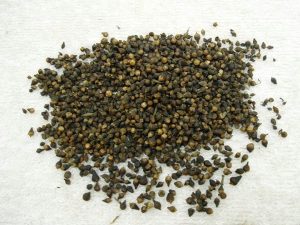
Hemp Seed (Fructus Cannabis)

Hemp seed: The seed kernel of the cannabis plant (Cannabis sativa L.) from the Moraceae family, a Chinese medicinal herb, referring to the dried mature fruit of Cannabis sativa L. Mainly produced in Shandong, Hebei, Heilongjiang, Jilin, and Liaoning. This substance has the effect of moistening the intestines to relieve constipation, and is primarily used … Read more

The Unique Acupuncture and Moxibustion Therapy of Traditional Chinese Medicine

Acupuncture and moxibustion therapy is a unique therapeutic method created by the ancient working people of China. Its characteristic is that it treats diseases without medication; instead, it involves inserting needles into specific parts of the patient’s body or using the warm stimulation of fire to cauterize local areas, so as to achieve the purpose … Read more

Chaenomelis Fruit

The nearly ripe fruit of Chaenomeles sinensis (Thouin) Koehne, a plant of the Rosaceae family. 【Properties, Flavors and Meridian Tropism】 Warm in property, sour in flavor. Attributed to the Liver Meridian and Spleen Meridian. [Efficacy and Actions] Calm the liver, relieve tendon rigidity, harmonize the stomach, and resolve dampness. It belongs to the herbs for … Read more

Fructus Mume

The dried nearly mature fruit of Prunus mume (Sieb.) Sieb. et Zucc., a plant of the Rosaceae family. [Properties, Flavors and Meridian Tropism] Sour, astringent, neutral. Meridian tropism: Liver, Spleen, Lung, and Large Intestine Meridians. 【Actions and Indications】 Astringing the lung, astringing the intestines, promoting fluid production, and calming roundworms. Indicated for chronic cough due … Read more

Three Standard Acupoint Location Methods

Accurate acupoint location relies on three complementary methods from traditional Chinese medicine. Anatomical landmark positioning uses visible body features for rapid, tool-free point finding. Proportional bone measurement applies standardized body segments scaled to the individual. Finger cun measurement uses the patient’s own finger dimensions—1 cun from the flexed middle finger crease and 3 cun from … Read more

Methods for Locating Points

Accurate localization of acupuncture points is essential to achieve optimal therapeutic outcomes. Three standard methods are commonly used for precise point location, as described below. 1. Anatomical Landmark Method Visible and palpable surface landmarks including bony prominences and depressions, joints, tendons, muscles, skin creases, hairlines, nail margins, nipples, umbilicus, eyes and mouth serve as reliable … Read more

Classification and Distribution of Meridians and Acupoints

The channel-collateral system is primarily composed of the twelve regular channels, eight extraordinary channels and fifteen major collaterals. The twelve regular channels, combined with the Ren Channel and Du Channel (two of the eight extraordinary channels), are known collectively as the fourteen channels. Each channel is lined with specialized points for acupuncture and moxibustion therapy. … Read more