
Saposhnikovia and Angelica Decoction,From *Xuanming Lun*, Volume 12.,Deficiency and damage to the true yin of the Spleen and Kidney; severe stagnation of wind-heat in the Liver and Heart; excess of yang and deficiency of yin; pathogenic factors rising against the natural order; excess above and deficiency below; resulting in weakness and inability to withstand external pathogens; or exterior heat manifesting as fever and aversion to cold; or interior heat manifesting as dry heat and thirst; or pathogenic heat being half in the exterior and half in the interior, constantly advancing and retreating, resulting in alternating chills and fever;or, when the exterior predominates, chills occur; when the interior predominates, fever occurs; or, when the righteous qi of the Yang aspect in the exterior joins forces with the pathogenic factor, becoming more severe than that in the interior—resulting in deeply accumulated heat with a lack of Yang qi externally, extreme interior heat, and Yang becoming so extreme that it resembles Yin, leading to chills, abdominal distension, and intense thirst; or, when the righteous qi of the Yin aspect in the interior conversely aids the pathogenic factor, becoming more severe than that in the exterior, resulting in dry heat, restlessness, thirst, and sweating;or when pathogenic heat causes obstruction; or when there is restlessness, heat, and pain; or when heat is severely stagnant, Yang energy is blocked, and the patient instead feels cold and pain; or when heat is stagnant both internally and externally, causing severe restlessness, with a preference for coolness and aversion to heat; or when heat is extreme and blocks the cold, preventing its release, causing Yang to resemble Yin, so that the patient prefers heat internally and externally but actually fears the cold; or when there is dry heat accompanied by restlessness and thirst; or when damp-heat is extremely severe, causing abdominal distension but no thirst;or all forms of wind-heat stagnation, manifesting as dizziness and blurred vision, sudden dizziness and blackouts, unilateral or bilateral headaches, dry mouth and nasal congestion, tinnitus or deafness, and difficulty swallowing; or red, swollen, and painful eyes, mouth sores, and numbness of the tongue; or shortness of breath, phlegm, and cough, with oppression and fullness in the chest and flanks,dryness and constipation in the stomach and intestines, with difficulty in urination and defecation; or itching of the skin, numbness in the hands and feet; or stiffness in the tendons and meridians, with fatigue in the limbs; or involuntary muscle twitching throughout the body, with palpitations and anxiety; or a crooked mouth and eyes, with slurred speech; or mania, confusion, forgetfulness, and loss of will;as well as dry heat in the stomach and intestines, leading to a sense of hunger due to stagnation but a lack of appetite; or residual internal damp-heat causing rapid digestion and frequent hunger, yet despite being able to eat, the patient becomes emaciated; or accidental ingestion of drying, hot, or toxic medications, as well as excessive consumption of hot foods that deplete the spleen and kidneys—in such cases, severe stagnation of wind-heat often results in these symptoms, though not all may be present.
Saposhnikovia and Angelica Decoction
Formulas Name : Saposhnikovia and Angelica Decoction
Chinese Name : 防风当归饮子
Drug Formulation
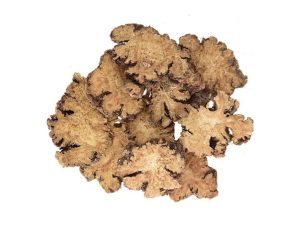
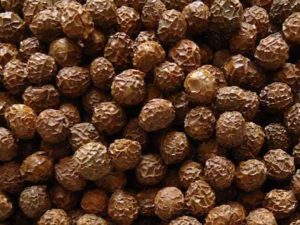
1 liang of Fangfeng, 1 liang of Danggui, 1 liang of Da Huang, 1 liang of Chaihu, 1 liang of Ren Shen, 1 liang of Huangqin, 1 liang of Gan Cao (roasted), 1 liang of Shaoyao, 6 liang of Huashi.
Source
From *Xuanming Lun*, Volume 12.
Processing
Coarsely chop the ingredients.
Benefits
Deficiency and damage to the true yin of the Spleen and Kidney; severe stagnation of wind-heat in the Liver and Heart; excess of yang and deficiency of yin; pathogenic factors rising against the natural order; excess above and deficiency below; resulting in weakness and inability to withstand external pathogens; or exterior heat manifesting as fever and aversion to cold; or interior heat manifesting as dry heat and thirst; or pathogenic heat being half in the exterior and half in the interior, constantly advancing and retreating, resulting in alternating chills and fever;or, when the exterior predominates, chills occur; when the interior predominates, fever occurs; or, when the righteous qi of the Yang aspect in the exterior joins forces with the pathogenic factor, becoming more severe than that in the interior—resulting in deeply accumulated heat with a lack of Yang qi externally, extreme interior heat, and Yang becoming so extreme that it resembles Yin, leading to chills, abdominal distension, and intense thirst; or, when the righteous qi of the Yin aspect in the interior conversely aids the pathogenic factor, becoming more severe than that in the exterior, resulting in dry heat, restlessness, thirst, and sweating;or when pathogenic heat causes obstruction; or when there is restlessness, heat, and pain; or when heat is severely stagnant, Yang energy is blocked, and the patient instead feels cold and pain; or when heat is stagnant both internally and externally, causing severe restlessness, with a preference for coolness and aversion to heat; or when heat is extreme and blocks the cold, preventing its release, causing Yang to resemble Yin, so that the patient prefers heat internally and externally but actually fears the cold; or when there is dry heat accompanied by restlessness and thirst; or when damp-heat is extremely severe, causing abdominal distension but no thirst;or all forms of wind-heat stagnation, manifesting as dizziness and blurred vision, sudden dizziness and blackouts, unilateral or bilateral headaches, dry mouth and nasal congestion, tinnitus or deafness, and difficulty swallowing; or red, swollen, and painful eyes, mouth sores, and numbness of the tongue; or shortness of breath, phlegm, and cough, with oppression and fullness in the chest and flanks,dryness and constipation in the stomach and intestines, with difficulty in urination and defecation; or itching of the skin, numbness in the hands and feet; or stiffness in the tendons and meridians, with fatigue in the limbs; or involuntary muscle twitching throughout the body, with palpitations and anxiety; or a crooked mouth and eyes, with slurred speech; or mania, confusion, forgetfulness, and loss of will;as well as dry heat in the stomach and intestines, leading to a sense of hunger due to stagnation but a lack of appetite; or residual internal damp-heat causing rapid digestion and frequent hunger, yet despite being able to eat, the patient becomes emaciated; or accidental ingestion of drying, hot, or toxic medications, as well as excessive consumption of hot foods that deplete the spleen and kidneys—in such cases, severe stagnation of wind-heat often results in these symptoms, though not all may be present.
Instructions for Use
Take 3–5 qian per dose; add 1 large bowl of water and 3 slices of fresh ginger; decoct together until reduced to 7 parts; strain and take while warm.


Saposhnikovia and Angelica Decoction,Deficiency and damage to the true yin of the Spleen and Kidney; severe stagnation of wind-heat in the Liver and Heart; excess of yang and deficiency of yin; pathogenic factors rising against the natural order; excess above and deficiency below; resulting in weakness and inability to withstand external pathogens; or exterior heat manifesting as fever and aversion to cold; or interior heat manifesting as dry heat and thirst; or pathogenic heat being half in the exterior and half in the interior, constantly advancing and retreating, resulting in alternating chills and fever;or, when the exterior predominates, chills occur; when the interior predominates, fever occurs; or, when the righteous qi of the Yang aspect in the exterior joins forces with the pathogenic factor, becoming more severe than that in the interior—resulting in deeply accumulated heat with a lack of Yang qi externally, extreme interior heat, and Yang becoming so extreme that it resembles Yin, leading to chills, abdominal distension, and intense thirst; or, when the righteous qi of the Yin aspect in the interior conversely aids the pathogenic factor, becoming more severe than that in the exterior, resulting in dry heat, restlessness, thirst, and sweating;or when pathogenic heat causes obstruction; or when there is restlessness, heat, and pain; or when heat is severely stagnant, Yang energy is blocked, and the patient instead feels cold and pain; or when heat is stagnant both internally and externally, causing severe restlessness, with a preference for coolness and aversion to heat; or when heat is extreme and blocks the cold, preventing its release, causing Yang to resemble Yin, so that the patient prefers heat internally and externally but actually fears the cold; or when there is dry heat accompanied by restlessness and thirst; or when damp-heat is extremely severe, causing abdominal distension but no thirst;or all forms of wind-heat stagnation, manifesting as dizziness and blurred vision, sudden dizziness and blackouts, unilateral or bilateral headaches, dry mouth and nasal congestion, tinnitus or deafness, and difficulty swallowing; or red, swollen, and painful eyes, mouth sores, and numbness of the tongue; or shortness of breath, phlegm, and cough, with oppression and fullness in the chest and flanks,dryness and constipation in the stomach and intestines, with difficulty in urination and defecation; or itching of the skin, numbness in the hands and feet; or stiffness in the tendons and meridians, with fatigue in the limbs; or involuntary muscle twitching throughout the body, with palpitations and anxiety; or a crooked mouth and eyes, with slurred speech; or mania, confusion, forgetfulness, and loss of will;as well as dry heat in the stomach and intestines, leading to a sense of hunger due to stagnation but a lack of appetite; or residual internal damp-heat causing rapid digestion and frequent hunger, yet despite being able to eat, the patient becomes emaciated; or accidental ingestion of drying, hot, or toxic medications, as well as excessive consumption of hot foods that deplete the spleen and kidneys—in such cases, severe stagnation of wind-heat often results in these symptoms, though not all may be present.