
There are multiple cordyceps formats available on the market, including fruiting‑body extract, mycelium‑on‑grain, whole dried mushroom, and liquid tinctures. The “best” form depends on your health goals, budget, and personal preference, but quality markers matter far more than format alone.
Disclaimer: This is educational content only, not medical advice. Consult a healthcare provider before starting herbal supplements.
1. Standardized Cordyceps militaris fruiting‑body extract (capsule / powder) — Best for most people
This is the gold‑standard form for targeted wellness benefits and the format used in most modern research.
- Made from the actual mushroom fruiting body, not grain‑mixed mycelium.
- Standardized for measurable active compounds: cordycepin and cordyceps polysaccharides.
- Concentrated, so you get consistent bioactive levels per serving.
- Convenient dosage control for energy, athletic support, post‑viral recovery, lung and immune support.
Pros: predictable potency, easy dosing, widely available. Cons: higher cost than cheap mycelium‑on‑grain products.
2. Mycelium‑on‑grain (myceliated grain) — Budget‑only option
This product is grown by letting cordyceps mycelium colonize rice or grain substrate. The final product includes both fungus and the grain it grew on.
- Very low cordycepin content; most weight comes from grain starch.
- Polysaccharides may come partially from grain, not only from the mushroom.
- Low price, but weak potency for targeted health goals.
Pros: inexpensive. Cons: low active ingredient; not recommended if you want meaningful cordyceps benefits.
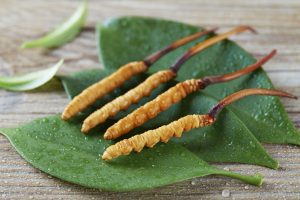
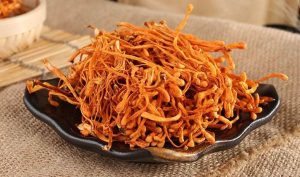
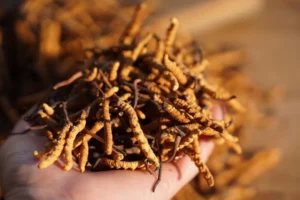
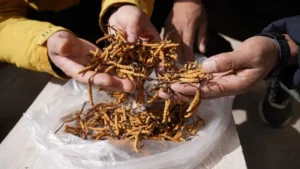
3. Whole dried cordyceps fruiting body
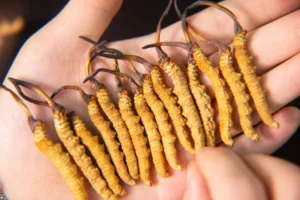
Whole dried Cordyceps militaris can be simmered into tea, soups or broths. Wild Ophiocordyceps sinensis in whole caterpillar‑fungus form is luxury‑priced.
- Gentle, whole‑food format, no harsh processing.
- Lower concentration than extracts, so you need larger gram amounts daily (1‑3 g).
- Hard to measure exact active compound levels at home. Wild whole sinensis carries heavy‑metal contamination risk.
Pros: good for culinary use, traditional tonic preparation. Cons: inconvenient for daily routine; hard to standardize potency.
4. Liquid tincture
Alcohol‑based liquid extract of cordyceps fruiting body.
- Fast absorption for people who cannot swallow capsules.
- Concentration varies greatly between brands. You must follow label dosage closely.
- Contains alcohol in most formulations.
Pros: easy to add to drinks. Cons: higher price per serving; alcohol may not suit everyone.
Quick buying priority checklist
- Species: Choose Cordyceps militaris. Avoid wild Ophiocordyceps sinensis for daily long‑term use.
- Source: Prioritize fruiting‑body, avoid mycelium‑on‑grain / myceliated grain.
- Markers: Standardized for cordycepin and mushroom polysaccharides.
- Proof: Batch‑specific third‑party CoA testing for identity and heavy‑metals.
FAQ
Q: Are capsules better than powder?
A: Same raw material delivers equal benefits. Capsules offer precise, convenient dosing; powder gives flexibility to mix into drinks or food.
Q: Is mycelium‑on‑grain completely useless?
A: It contains small amounts of fungal compounds, but cordycepin levels are minimal. It cannot replace fruiting‑body extract for fatigue, recovery or immune‑support goals.
Q: Is wild whole C. sinensis the best form?
A: No for daily supplementation. It is very costly, low in cordycepin, and carries heavy‑metal risks. It is reserved for occasional traditional use under expert guidance.
Q: Can I just drink cordyceps tea instead of taking extracts?
A: Tea works for gentle general wellness, but you need to consume larger quantities. It is harder to achieve the consistent bioactive levels you get from standardized extract.
Q: What form should I avoid?
A: Avoid products that only state “cordyceps mycelium” without mentioning fruiting‑body content, and cheap items falsely marketed as wild C. sinensis. Always check the CoA.



Great breakdown! I’ve tried both tinctures and mycelium-on-grain, and honestly, the quality markers you mentioned made the biggest difference for me. I used to grab whatever was cheapest, but now I always check for third-party testing and active compound levels. It’s easy to get overwhelmed by all the formats out there, but this cleared things up—thanks for keeping it