
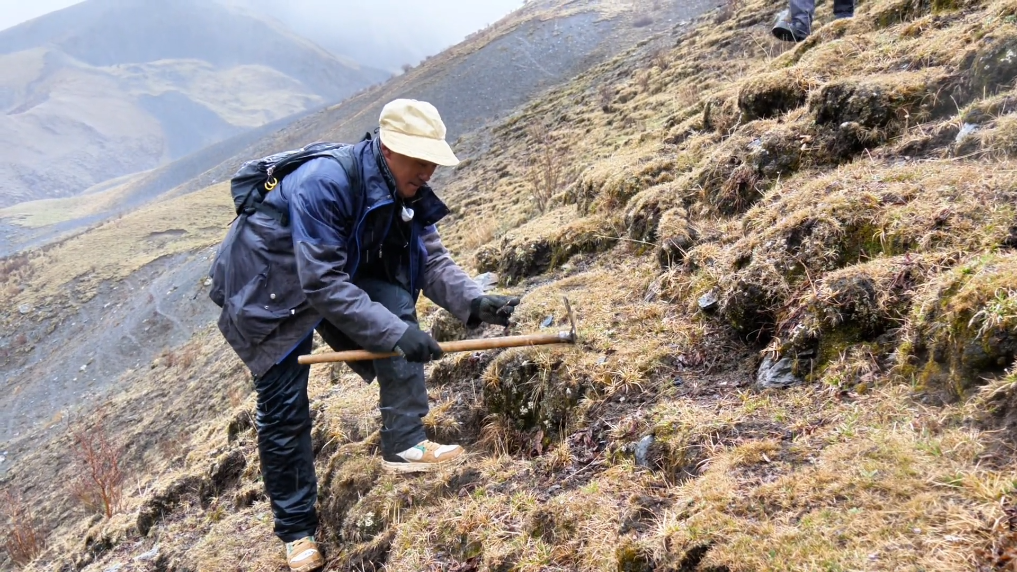
Nagqu, nestled in the hinterland of the Qiangtang Plateau in northern Xizang, is the world‑famous authentic origin of wild Cordyceps sinensis (Ophiocordyceps sinensis). Widely recognized across global herbal‑trade and traditional‑Chinese‑medicine circles, Nagqu cordyceps earns its reputation as the world’s finest wild cordyceps, known by the well‑known remark “China leads the world in cordyceps, and Nagqu leads China”. It is a natural complex formed when cordyceps fungus parasitizes ghost‑moth larvae, thriving exclusively on high‑altitude alpine meadows.
Unique Alpine Terroir and Production Scope
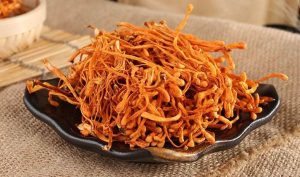
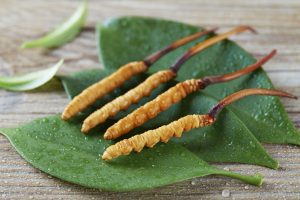
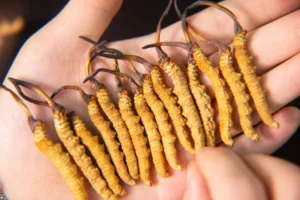
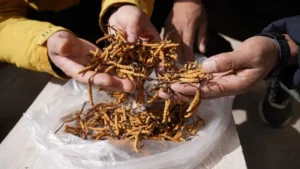
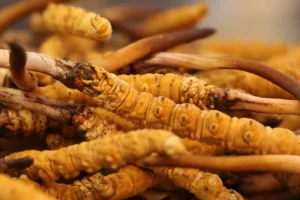
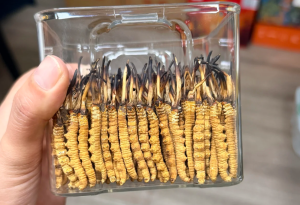
The core producing zones stretch across six counties and 53 townships of Nagqu, covering a resource area of 1.6988 million hectares, at elevations ranging from 4 500 m to 6 000 m above sea‑level. The harsh high‑altitude environment — long freezing seasons, sharp day‑night temperature gaps, intense ultraviolet rays, thin oxygen and unpolluted glacial melt‑water — slows the biological cycles of ghost‑moth larvae and parasitic fungi. Multi‑year slow growth enables full accumulation of adenosine, cordycepin, cordyceps polysaccharides and other bioactive substances, creating the intrinsic quality advantages exclusive to Nagqu cordyceps. Genuine Nagqu specimens feature evenly golden‑yellow clean surfaces, plump well‑proportioned caterpillar‑shaped bodies, brown eyes, short stroma (grass‑stem part), oily luster and a distinctive rich mushroom‑like aroma. Four newly‑identified pharmaceutical‑active compounds are detected in Nagqu cordyceps, with significantly higher concentrations than cordyceps from other origins.
Standardised Harvesting Process, Collection Mode, Scope and Timeframe
Harvesting Nagqu cordyceps follows strict local regulatory requirements laid down under the Nagqu City Cordyceps Sinensis Protection and Administration Regulation.
- Collection permit system: Harvesters must hold an official Cordyceps Collection Permit. Permits are issued one‑per‑person, renewed annually, specifying holder identity, designated collection zone, valid period and ecological‑protection obligations. Unauthorised harvesting is strictly prohibited. Harvesters pay grassland‑vegetation‑restoration fees earmarked for plateau‑grassland ecological recovery.
- Collection scope: Harvesting is restricted to officially demarcated alpine‑meadow production zones within six counties of Nagqu. Harvesting is forbidden in nature‑reserve core zones, water‑source conservation zones and ecologically‑fragile degraded grassland areas. Cross‑boundary collection is banned; only local residents may harvest within their assigned collective‑grassland plots.
- Official collection period: The harvesting window falls each year roughly mid‑May through late‑June, with exact start‑and‑end dates adjusted county‑by‑county according to altitude and thawing conditions. High‑elevation areas start slightly later. The first‑20‑day “prime‑stage harvest” yields top‑grade cordyceps, when stromata have just emerged and not yet released spores, with maximum active‑ingredient content.
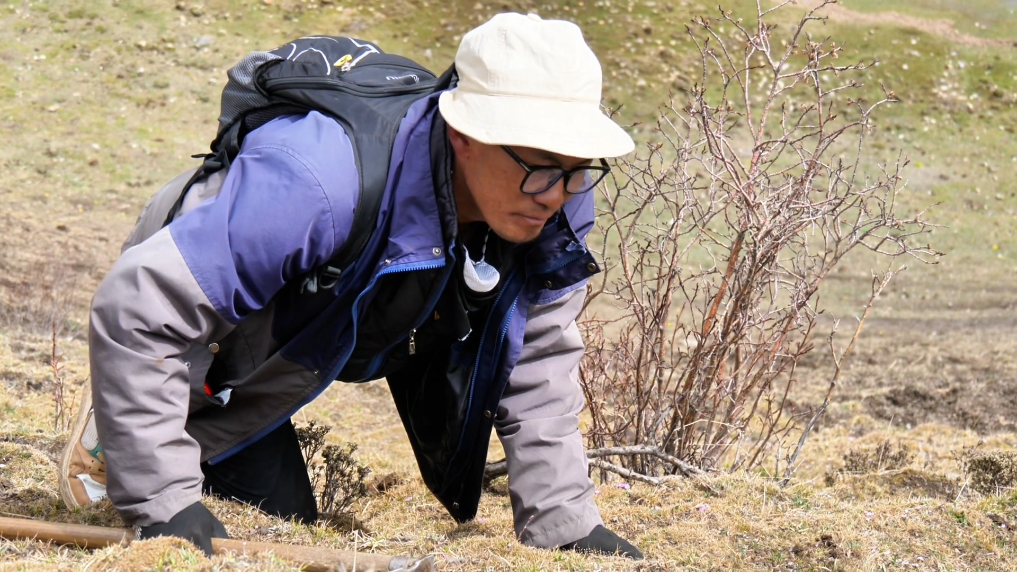
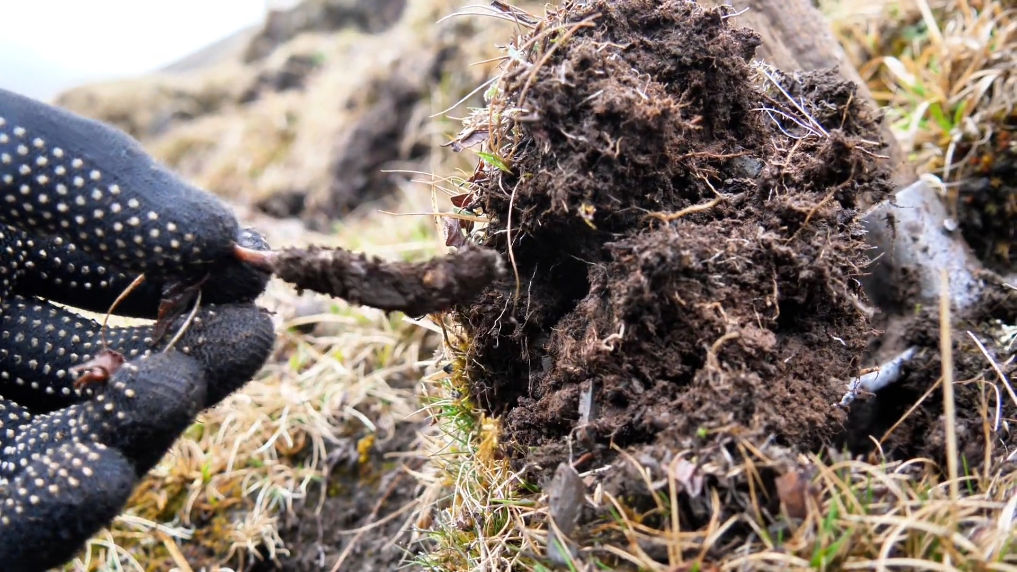
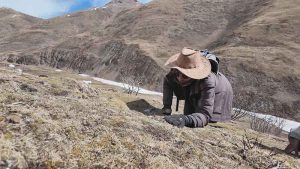
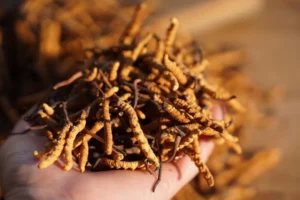
- Manual harvesting workflow: Completely manual collection with no mechanical tools. Local herdsmen crawl across undulating alpine meadows to spot the tiny reddish‑brown stroma peeking above grass. They dig carefully with small hand‑hoes, lift intact cordyceps specimens, then back‑fill and compact every dug‑out pit (“dig‑and‑fill immediately”), practicing the “harvest mature, leave juvenile” principle to protect young immature cordyceps individuals for future‑year reproduction. After harvesting, raw cordyceps are gently brushed clean of surface mud, sorted by size, sun‑dried or low‑temperature dehydrated, with zero sulphur fumigation.
Plateau Ecological Protection & On‑Site Governance Mechanism
The fragile alpine grassland ecosystem is prioritized throughout the whole industry lifecycle. Local authorities deploy a three‑level joint‑management framework: county‑district Party committees + tent‑based temporary Party branches + party‑member volunteers across collection sites. Medical staff, police‑officers and cadres are stationed at high‑altitude gathering points, delivering on‑site medical support, conflict mediation, safety patrols and ecological‑protection publicity. Garbage‑collection management is enforced to prevent grassland pollution. The White Paper on the Protection and Utilization of Nagqu Cordyceps was officially published in 2024, clarifying origin boundaries, ecological‑protection requirements and industrial‑development guidelines. Artificial cultivation of cordyceps within natural wild‑growing zones is prohibited by local statute.
Traceability System, Cultural‑tourism Integration and Industrial Output
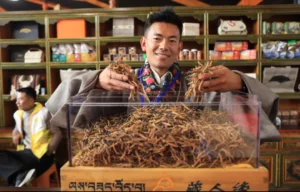
To counter market counterfeiting and mixed‑origin goods, Nagqu has piloted the full‑chain “Spirit‑Grass Traceability System”. Each batch of qualified Nagqu cordyceps carries a unique QR traceability‑label, logging collection location, harvester information, harvest date and quality‑inspection results. Consumers scan to verify true provenance: source traceable, destination trackable, accountability enforceable. Local authorities hold annual Cordyceps Festivals and collection‑experience events, combining cordyceps display, “Cordyceps‑King” contests, industry forums, Tibetan nomadic‑culture exhibitions and alpine‑grassland tourism, developing agro‑cultural‑tourism integrated‑development pathways. Over the past five years, Nagqu’s annual cordyceps output averages 110 600 kg, with annual industrial output value exceeding 3.2 billion RMB, contributing 50‑80 % of local herdsmen’s total household‑income. Backed by geographical‑indication credentials, official white‑paper standards and digital traceability infrastructure, authentic Nagqu cordyceps exports reach Southeast Asia, Europe and other overseas markets. In April 2025, Nagqu cordyceps was selected for the first‑batch China Consumer Famous‑Product List.
Conclusion
As a precious alpine Daodi medicinal‑herb resource, Nagqu cordyceps unites one‑of‑a‑kind plateau terroir, thousands‑of‑years‑old Tibetan‑medicine heritage, strict harvesting‑management rules, ecological‑protection mechanisms and modern‑digital supervision. It consistently supplies high‑quality wild cordyceps raw‑material for global TCM, dietary‑supplement and wellness markets, cementing its benchmark‑status as a world‑class wild‑cordyceps producing‑area.
那曲蟲草果然名不虛傳!生長在羌塘高原這片純淨之地,品質自然是世界頂級。中藥界都公認「
Fascinating read! I’ve always heard that Nagqu is the gold standard for wild cordyceps, but it’s great to see the reasons laid out so clearly. The altitude and pristine plateau conditions really do make a difference. Has anyone here compared it to cordyceps from other regions? I’d love to hear personal experiences before I invest in some.
那曲蟲草真的名不虛傳!去西藏旅遊時嚐過一次,香氣濃郁,泡茶或燉湯都特別滋補。難怪中藥行都說這是頂級貨,雖然
Fascinating read! I’ve always heard that the high altitude and pristine environment make Nagqu cordyceps the gold standard, but this article really explains why. It’s amazing how much traditional medicine values that specific region. Definitely makes me appreciate the authenticity behind the “world’s best” label. Thanks for sharing this insight!
Das klingt wirklich faszinierend! Ich habe schon viel über die Qualität von Cordyceps aus Nagqu gehört, aber dieser Artikel bestätigt nochmal, warum er weltweit so geschätzt wird. Die einzigartige Lage auf dem Qiangtang-Plateau scheint einfach unschlagbar zu sein. Danke für die interessanten Hintergründe – ich werde beim nächsten Kauf definitiv auf die Herkunft