Tibetan cordyceps (Ophiocordyceps sinensis), mainly harvested in Nagqu, northern Xizang, has earned its global reputation as top‑tier wild caterpillar‑fungus herb. It is not marketing hype, but formed by irreplaceable high‑altitude terroir, multi‑year natural growth, strict local harvesting norms and official origin‑protection frameworks. Compared with cordyceps from lower‑elevation producing zones, genuine Tibetan cordyceps shows obvious strengths in ecology, active‑substance accumulation, physical appearance and regulatory safeguards.
1. Extreme, Pristine High‑Altitude Alpine Terroir
Premium Tibetan cordyceps concentrates on Qiangtang alpine meadows at 4 500‑5 200 m above sea‑level, close to the snow‑line zone. This hostile natural environment cannot be replicated elsewhere: ‑ Long freezing seasons, thin oxygen, intense ultraviolet radiation and huge diurnal temperature swings (often above 20 °C) slow down the whole biological cycle of ghost‑moth larvae and parasitic fungus. Host larvae spend 4‑5 years underground before fungal infection, extending the accumulation cycle of medicinal compounds.‑ Undisturbed humus‑rich alpine soil nourished by clean glacial melt‑water, almost free from industrial pollution, pesticide and heavy‑metal contamination. ‑ Harsh natural stress drives the organism to synthesize higher levels of secondary metabolites including adenosine, cordyceps polysaccharides and unique pharmaceutical constituents that distinguish Nagqu Tibetan cordyceps from low‑altitude counterparts.
Lower‑elevation cordyceps completes its life‑cycle much faster, resulting in relatively insufficient build‑up of key bioactive ingredients.
2. Distinct Physical & Aromatic Traits
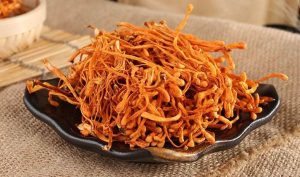
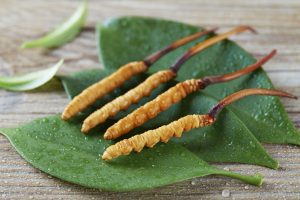
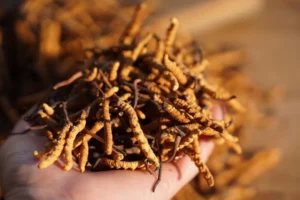
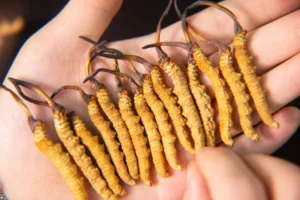
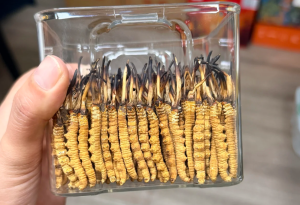
Authentic Nagqu Tibetan cordyceps has stable identifying markers recognised by herbal traders worldwide: ‑ Uniform clean golden‑yellow larva surface, plump and well‑proportioned worm segments; insect eyes are brown; stroma (grass part) is relatively short and sturdy. ‑ Natural oily luster, with a rich butter‑grease‑like aromatic scent. ‑ Solid flesh, clear ring textures on the caterpillar body. When broken open, the cross‑section is off‑white and dense.
These consistent morphological features come directly from the unique plateau growing conditions, making high‑grade Tibetan cordyceps easy for experienced buyers to tell apart from mixed‑origin substitutes.
3. Strict Eco‑Friendly Harvesting Heritage & Official Regulation
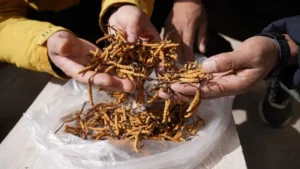
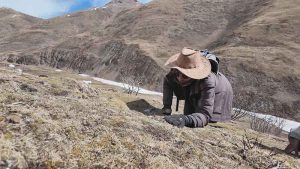
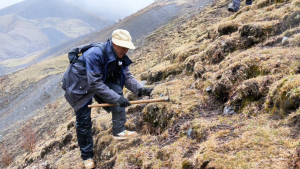
Wild Ophiocordyceps sinensis is listed as China’s Class‑II state‑protected wild plant. In Tibetan core producing areas, harvesting is never unrestricted picking: ‑ Mandatory collection‑permit system: Only registered local pastoral residents are allowed to harvest, with designated grassland zones printed on each permit. Outsiders are prohibited from unauthorised digging. ‑ Centuries‑old eco‑harvesting discipline: Harvesters crawl across meadows to spot tiny exposed stromata. After carefully digging out each specimen with small hand hoes, they must backfill and compact every soil pit immediately, following the principle “harvest mature, leave immature”. This minimizes grassland damage and reserves resources for future generations. ‑ The short prime harvest window runs mid‑May to late June. Top‑grade “early‑season cordyceps” is collected before stromata release spores, locking maximum medicinal potency. Late‑picked samples show degraded quality.
This combination of traditional wisdom and modern administrative oversight protects both the fragile alpine ecosystem and the intrinsic quality of Tibetan cordyceps.
4. Authorised Geographical‑Indication Protection & Traceability System
Tibetan cordyceps from Nagqu holds multiple geographical‑indication certification trademarks and is included in the national GI key‑promotion catalogue. The White Paper on the Protection and Utilization of Nagqu Cordyceps clearly defines origin boundaries, quality benchmarks and industrial‑management specifications.
Qualified commercial batches adopt the full‑chain “Spirit‑Grass Traceability System”. Each product carries a unique QR‑code label recording harvesting location, harvester information, harvest time and lab‑test results. Buyers can scan to confirm real provenance, greatly reducing risks of origin‑mixing and counterfeiting that trouble the broader cordyceps market.
Important Note: Distinction From Yushu Qinghai Cordyceps
Yushu (Qinghai) also produces excellent high‑altitude cordyceps, widely respected in trade. Nevertheless, Nagqu Tibetan cordyceps grows at generally higher elevations, with characteristic golden‑yellow clean body and butter‑grease aroma, representing the most premium tier of wild Ophiocordyceps sinensis on the global market. Visual inspection is only auxiliary identification; definitive quality assessment relies on laboratory testing and GI traceability credentials.
Disclaimer: This article provides botanical and sourcing reference only, not medical‑treatment advice. Please consult a qualified TCM practitioner before consumption.
Conclusion
To sum up, Tibetan cordyceps earns its reputation as the best wild cordyceps thanks to four pillars: unreproducible extreme high‑altitude terroir fostering rich bioactive compounds, distinct physical‑aromatic characteristics, generations‑old eco‑harvesting rules enforced by modern regulation, plus robust geographical‑indication and digital traceability safeguards. It remains a benchmark Daodi plateau medicinal‑herb for global TCM and wellness industries.
¡Qué interesante! Siempre he oído que el auténtico cordyceps de Nagqu es especial, pero no sabía que era por el terreno de gran altitud y las normas de recolección. Se nota que no es solo marketing. Gracias por compartir este detalle, me da más confianza a la hora de elegir un producto de calidad.
वाह! नाग्कू के कोर्डिसेप्स की यह जानकारी सच में कमाल की है। ऊँचाई वाला इलाका और प्राकृतिक तरीके से बढ़ने की वजह से ही इसकी क्वालिटी अलग होती है। बाजार में मिलने वाले दूसरे कोर्डिसेप्स
Interesting read! I’ve always been skeptical about the hype around cordyceps, but the way you break down the terroir and the strict harvesting rules in Nagqu makes a lot of sense. High altitude really does