
Pine Soot Paste,From *Formulas of the Ruizhu Hall*, Volume 1.,For stagnation of qi and blood stasis causing obstruction; chronic or intermittent dysentery in adults and children; men and women who have long failed to acclimate to the local climate; and severe dysentery developing during the summer months, where rice-water-like stools are not digested, five types of mass obstruction occur, food is regurgitated from the epigastrium, the chest feels constricted and closed, jaundice from alcohol or food, labor-induced cough with shortness of breath, vomiting with frothy saliva, cardiac constriction and panic, a bitter taste in the mouth and nausea,painful and scanty urination, constipation, residual toxins from typhoid fever, and in women—before or after childbirth—where stagnant blood has congealed into masses; normal appetite but widespread body pain, stiffness in the lower back and legs, dizziness and fainting in the hands and feet, nine types of chest pain, ten forms of internal heat, nine types of water retention, cholera with vomiting and diarrhea, and chronic illness leading to emaciation.
Pine Soot Paste
Formulas Name : Pine Soot Paste
Chinese Name : 松烟饼子
Drug Formulation
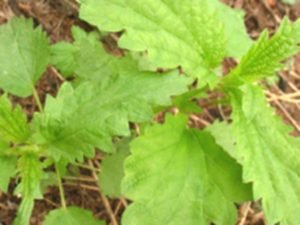
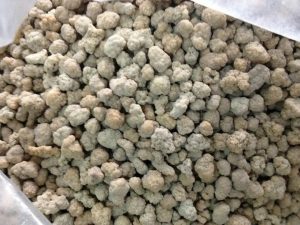
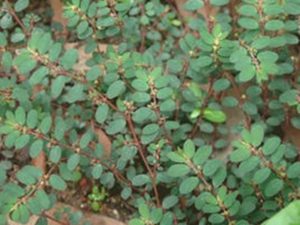
5 fen of fine ink (burned and ground), 5 qian of aged tangerine peel (white pith removed), 5 qian of pharbitis (ground separately; use only the fine powder), 5 qian of shenqu (roasted), 5 qian of acorus (fire-roasted), 5 qian of miso (ground), 5 qian of wulingzhi (ground), 5 qian of realgar (ground), 5 qian of oyster shell (fire-roasted and calcined),wheat bran (roasted) 5 qian, rhubarb 1 liang, northern jujubes 14 (charred until the essence remains), blister beetle 1 liang (wings and legs removed, stir-fried with glutinous rice), Chinese toadflax (soaked in vinegar overnight, then stir-fried) 1 qian, dried lacquer (stir-fried to remove smoke) 1 qian, white cloves (ground) 1 qian, Euphorbia (stem removed) 1 qian,Blue Hematite (ground) 1 qian, Curcuma zedoaria (steamed) 1 qian, Croton tiglium 1 liang (peeled, wrapped in damp paper and burned until yellow).
Source
From *Formulas of the Ruizhu Hall*, Volume 1.
Processing
Grind the above ingredients into a fine powder; mix with water to form a paste, then shape into pills the size of soapberry seeds, and roll them into flat cakes.
Benefits
For stagnation of qi and blood stasis causing obstruction; chronic or intermittent dysentery in adults and children; men and women who have long failed to acclimate to the local climate; and severe dysentery developing during the summer months, where rice-water-like stools are not digested, five types of mass obstruction occur, food is regurgitated from the epigastrium, the chest feels constricted and closed, jaundice from alcohol or food, labor-induced cough with shortness of breath, vomiting with frothy saliva, cardiac constriction and panic, a bitter taste in the mouth and nausea,painful and scanty urination, constipation, residual toxins from typhoid fever, and in women—before or after childbirth—where stagnant blood has congealed into masses; normal appetite but widespread body pain, stiffness in the lower back and legs, dizziness and fainting in the hands and feet, nine types of chest pain, ten forms of internal heat, nine types of water retention, cholera with vomiting and diarrhea, and chronic illness leading to emaciation.
Instructions for Use
Before use, grind into a coarse powder; note the specific condition being treated, then decoct in water and take orally, or dissolve in wheat-flour soup if preferred. For children, use 3 cakes; for adults, adjust the dose to 4–5 cakes based on the patient’s constitution and the severity of the condition. As the mass gradually moves downward, take another dose; if it continues to move downward, take yet another dose.
Pine Soot Paste,For stagnation of qi and blood stasis causing obstruction; chronic or intermittent dysentery in adults and children; men and women who have long failed to acclimate to the local climate; and severe dysentery developing during the summer months, where rice-water-like stools are not digested, five types of mass obstruction occur, food is regurgitated from the epigastrium, the chest feels constricted and closed, jaundice from alcohol or food, labor-induced cough with shortness of breath, vomiting with frothy saliva, cardiac constriction and panic, a bitter taste in the mouth and nausea,painful and scanty urination, constipation, residual toxins from typhoid fever, and in women—before or after childbirth—where stagnant blood has congealed into masses; normal appetite but widespread body pain, stiffness in the lower back and legs, dizziness and fainting in the hands and feet, nine types of chest pain, ten forms of internal heat, nine types of water retention, cholera with vomiting and diarrhea, and chronic illness leading to emaciation.