Curculigo is a medicinal herb used to tonify yang. It is the dried rhizome of Curculigo orchioides Gaertn., a plant belonging to the genus Curculigo in the family Curculigaceae. It has the effects of tonifying kidney yang, strengthening tendons and bones, and dispelling cold and dampness. It is used to treat impotence with cold semen, weakness and flaccidity of tendons and bones, cold pain in the lower back and knees, and cold diarrhea due to yang deficiency.
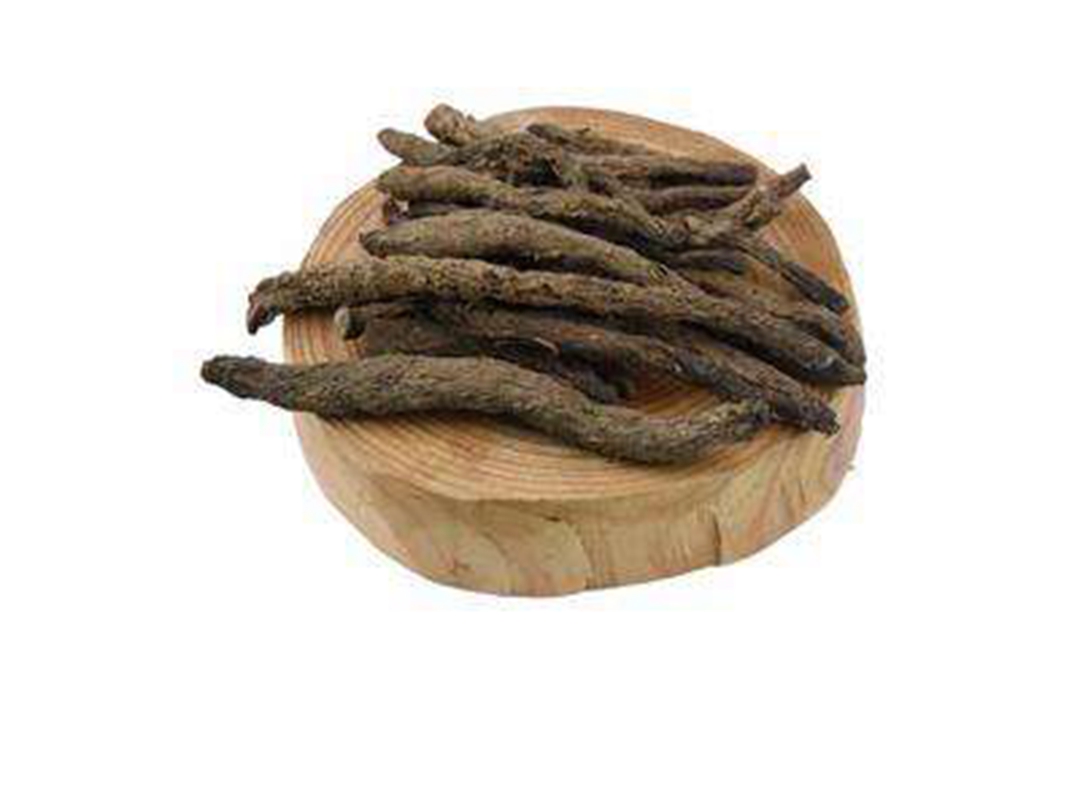
Curculigo
Curculigo is a medicinal herb used to tonify yang. It is the dried rhizome of Curculigo orchioides Gaertn., a plant belonging to the genus Curculigo in the family Curculigaceae. It has the effects of tonifying kidney yang, strengthening tendons and bones, and dispelling cold and dampness. It is used to treat impotence with cold semen, weakness and flaccidity of tendons and bones, cold pain in the lower back and knees, and cold diarrhea due to yang deficiency.
Chinese Name : 仙茅
Latin Name : Curculiginis Rhizoma
Aliases : Di Zong, Du Mao, Mountain Codonopsis, Hainan Ginseng
Authentic Producing Area : Mainly produced in Sichuan, Yunnan, Guangxi, and Guizhou
Nature, Flavor & Meridian Tropism : Pungent in taste, warm in nature; enters the Kidney, Liver, and Spleen meridians
Benefits & Efficacy
Benefits
It has the effects of tonifying kidney yang, strengthening tendons and bones, and dispelling cold and dampness.
Indications
Mainly used for impotence with cold semen, weakness and flaccidity of tendons and bones, cold pain in the lower back and knees, and cold diarrhea due to yang deficiency.
Usage and Dosage
Decoct and take 3–10 g.
Precautions
This herb is highly drying and toxic; prolonged use is not recommended.
Chemical Constituents
Mainly contains phenolic glycosides: Xianmao glycoside;Triterpenoids: Xianmao saponins A–M, lichen diol glucoside, lichen diol-3-xyloglucoside A, xianmaoside A, B, and C, xianmao aglycones A, B, and C, xianmao terpene alcohol, yucaglycone, etc.;Alkaloids: colchicine, N-acetyl-N-hydroxy-2-methylcarbamate, etc.; Sterols: cycloanacardinol, stigmasterol, etc.
Pharmacological Actions
This product exhibits sex hormone-like effects and has immune-boosting, cardioprotective, and anti-osteoporotic properties.
Relevant Discussions
1. *Hǎiyào Běncǎo*: “Treats wind disorders; warms and tonifies the lower back and legs; clears and harmonizes the five viscera; strengthens tendons and bones; aids digestion.” “Enhances muscular strength, replenishes bone marrow, and boosts yang energy.”
2. *Kāibǎo Běncǎo*: “Treats cold qi in the heart and abdomen causing loss of appetite; wind-cold in the lower back and legs causing cramping, numbness, and inability to walk; consumptive disorders in men; urinary incontinence in the elderly; infertility; and enhances yang energy, … enhances memory, strengthens tendons and bones, nourishes the skin and muscles, revitalizes the spirit, and improves eyesight.”
3. *Compendium of Materia Medica*: “Xianmao is essentially warm in nature and serves as a tonic for the Triple Energizer and Gate of Life; however, it is suitable only for those with weak yang, cold essence, and a constitutionally frail constitution. If taken by those with a robust constitution and excessive yang fire, it may actually aggravate the fire.”
Applications
Clinical Applications
1. Kidney yang deficiency and decline of Mingmen fire, manifesting as impotence, cold semen, and frequent urination: This herb is pungent, hot, and intensely drying; it excels at tonifying the Mingmen and invigorating yang. It is often used in combination with Epimedium, Morinda officinalis, and Rosa laevigata to treat Mingmen fire deficiency, impotence, premature ejaculation, and infertility due to cold semen, such as in Xianmao Wine (*Wan’s Family Prescriptions*).
2. Cold pain in the lower back and knees, with weak and flaccid tendons and bones: This herb is pungent, dispersing, and intensely drying; it tonifies kidney yang while also dispelling cold and dampness and strengthening the tendons and bones. It is often used in combination with Eucommia ulmoides, Angelica pubescens, and Aconite root.Furthermore, this herb nourishes and tonifies the liver and kidneys to treat liver and kidney deficiency, premature graying of hair, and blurred or dim vision. It is often used in combination with Lycium barbarum, Plantago seed, and raw and cooked Rehmannia root, as in the Xianmao Pills (from *Shengji Zonglu*).
Related Compatibility
1. Xianmao combined with Duzhong: Xianmao primarily warms the kidneys and strengthens yang; Duzhong tends to tonify the liver and kidneys while strengthening the tendons and bones. When used together, these two herbs enhance the effects of tonifying kidney yang and strengthening the tendons and bones. This combination is suitable for conditions such as erectile dysfunction, nocturnal emissions, and soreness and weakness in the lower back and knees.
2. Xianmao Combined with Xixin: Xianmao excels at warming the kidneys and expelling cold and dampness; Xixin is effective at dispelling wind-cold and relieving pain. When used together, these two herbs enhance the efficacy of warming the kidneys, expelling cold, and relieving pain caused by wind-cold. This combination is suitable for cold pain in the lower back and knees caused by cold and dampness.
3. Xianmao Combined with Xianlingpi: Xianmao is pungent and hot in nature, with a potent effect that warms the kidneys and aids yang; Xianlingpi is pungent and warm, tonifying the kidneys and aiding yang.When used together, these two herbs enhance the efficacy of warming the kidneys and supporting yang. This combination is indicated for disorders of the Chong and Ren meridians, deficiency of Mingmen fire, irregular menstruation, low back pain, stiffness of tendons and bones, frequent urination, headaches, dizziness, forgetfulness, nausea, and aversion to cold.
4. Xianmao Combined with Jinyingzi: Xianmao excels at warming the kidneys and supporting yang; Jinyingzi excels at consolidating essence and reducing frequent urination. When used together, these two herbs have the effects of warming the kidneys and boosting yang, as well as consolidating essence and reducing urination. They are indicated for erectile dysfunction, cold semen, and uncontrolled seminal emission.
5. Xianmao Combined with Shanyao: Xianmao excels at warming the kidneys and boosting yang; Shanyao excels at tonifying qi and strengthening the spleen. When used together, these two herbs have the effects of warming the kidneys and boosting yang, as well as tonifying qi and strengthening the spleen. They are indicated for spleen-kidney deficiency, soreness and weakness in the lower back and knees, and loss of appetite.
6. Xianmao Combined with Buguzhi: Xianmao excels at warming the kidneys and boosting yang, as well as strengthening tendons and bones; Buguzhi excels at warming the kidneys and boosting yang, as well as warming the spleen and stopping diarrhea. When used together, these two herbs have the effects of warming the kidneys, warming the spleen, and stopping diarrhea. They are suitable for spleen-kidney yang deficiency, cold pain in the epigastrium and abdomen, diarrhea, and poor appetite.
Medicinal Identification
1. Raw Xianmao and Wine-Processed Xianmao: These are two different processed forms of Xianmao. Raw Xianmao is dry, potent, and toxic; it primarily dispels cold and removes dampness, and is often used for cold-damp arthralgia, cold pain in the lower back and knees, and weakness of tendons and bones. Wine-Processed Xianmao not only has reduced toxicity but is also more effective at tonifying the kidneys and strengthening yang; it is commonly used to treat impotence, cold semen, cold pain in the lower back and knees, frequent urination, and enuresis.
2. Xianmao and Epimedium: Both possess the effects of tonifying the kidneys and enhancing yang, strengthening tendons and bones, and dispelling wind and dampness. They are used for kidney yang deficiency, erectile dysfunction, seminal emission, enuresis, frequent urination, rheumatic arthralgia, and weakness of tendons and bones.However, Xianmao is pungent and hot in nature; it excels at replenishing the deficient fire of the Mingmen to warm and nourish the spleen earth, and thus also has the effects of warming yang and stopping diarrhea. It can be used to treat cold diarrhea caused by spleen and kidney yang deficiency. Epimedium is pungent, sweet, and warm in nature; it warms the kidneys and enhances yang, and is even more potent in strengthening yang and treating impotence, making it an excellent remedy for impotence caused by kidney yang deficiency.
3.Xianmao and Deer Antler: Both have the effects of tonifying the kidneys, strengthening yang, and fortifying tendons and bones. They are used for kidney yang deficiency, erectile dysfunction, seminal emission, enuresis, frequent urination, and weakness and atrophy of tendons and bones. However, Xianmao is pungent and hot; it excels at replenishing the deficient fire of the Gate of Life to warm and nourish the spleen earth. Therefore, it also has the effects of warming yang and stopping diarrhea, and can be used to treat spleen-kidney yang deficiency, cold pain in the epigastrium and abdomen, poor appetite, and diarrhea;It can also dispel cold and remove dampness, making it suitable for treating pain caused by wind, cold, and dampness-induced bi syndrome. Deer antler is sweet and warm; it excels at tonifying kidney yang, nourishing essence and blood, and strengthening the Governor Vessel. It is a key herb for enhancing virility, treating impotence, replenishing essence, and nourishing the marrow. It also has the effects of tonifying the liver and kidneys, regulating the Conception and Governor Vessels, and stopping metrorrhagia and leukorrhea. It can be used to treat liver and kidney deficiency, instability of the Conception and Governor Vessels, cold extremities, and metrorrhagia or menorrhagia.
4. Xianmao and Sangjisheng: Both possess the efficacy of strengthening tendons and bones, as well as dispelling wind and dampness, and are used for rheumatic arthralgia and bone atrophy leading to paralysis.However, Xianmao is pungent and hot in nature, primarily serving to warm and tonify kidney yang; it is frequently used for kidney yang deficiency, erectile dysfunction, seminal emission, enuresis, and frequent urination. It is also particularly effective at tonifying the fire of the Gate of Life to warm and nourish the spleen earth, and thus possesses the efficacy of warming yang and stopping diarrhea. It can be used to treat spleen-kidney yang deficiency, cold pain in the epigastrium and abdomen, poor appetite, and diarrhea.Mulberry Parasite also has the effects of tonifying the liver and kidneys, consolidating the Chong and Ren meridians, and stabilizing the fetus; therefore, it is frequently used for soreness and weakness in the lower back and knees caused by liver and kidney deficiency. It can also be used for excessive menstrual bleeding, postpartum hemorrhage, and fetal restlessness resulting from liver and kidney deficiency and instability of the Chong and Ren meridians.
Related Medicines
Guxian Tablets, Huichun Capsules, Menstrual Regulation and Fertility-Promoting Pills, and Silkworm Moth Male Tonifying Tablets.
Related Prescriptions
Cao Huan Dan (from *Bo Ji Fang*), Xian Mao Wine (from *Yi Xue Zheng Yin*), Xian Mao Pills (from *Ben Cao Gang Mu*), and Zhuang Yang Dan (from *Yi Xue Ru Men*).
Medicinal Diet Therapy
A medicinal dish related to Xianmao is Xianmao Pork Soup.
1. Effects: Tonifies kidney yang, strengthens tendons and bones, and dispels cold and dampness. Suitable for conditions such as weakness in the lower back and knees, aversion to cold, and clear, copious urine caused by kidney yang deficiency.
2. Ingredients: 15g Xianmao, 15g Jin Ying Zi, 200g lean pork, scallions, ginger, and salt to taste.
3. Preparation: Wash the lean pork and cut it into small pieces. First, decoct the Xianmao and Golden Rosehip; strain out the residue and reserve the liquid. Add the pork, scallions, ginger, and water, then simmer over low heat. When cooked, season with salt to taste.
4. Usage: Consume while warm, divided into 1–2 servings. Eat the meat and drink the soup; take continuously for 3 days.
Notes
Patients requiring treatment with Chinese herbal medicine should first consult a licensed Traditional Chinese Medicine (TCM) hospital, where a TCM practitioner will conduct a professional pattern differentiation and prescribe an herbal formula.
Processing & Preparation
Harvesting & Processing
After Xianmao has been transplanted and has grown for two years, it is harvested between October (after the plants have withered) and the end of spring (before new shoots emerge). Dig up the entire rhizome, shake off the soil, remove all remaining leaves and fibrous roots, and dry in the sun.
Processing Methods
1. Xianmao: Take the raw herb and remove impurities. Wash thoroughly, moisten slightly, cut into sections, and dry.
2. Wine-Processed Xianmao: Take cleaned Xianmao sections, sprinkle with yellow wine, mix well, let stand briefly, place in a pan, and stir-fry over low heat until dry; remove and let cool. Alternatively, take cleaned Xianmao sections, mix with yellow wine, let stand until moistened, place in a steamer basket, and steam for 1–2 hours; remove and sun-dry.
3. Rice-Processed Xianmao: Take fresh Xianmao, wash off the soil, scrape off the skin, mix with glutinous rice, steam until thoroughly cooked through (with no white spots visible on the cross-section), then remove and sun-dry.
4. Rice-Wash-Processed Xianmao: Take fresh Xianmao, wash off the mud and sand, scrape off the skin, soak in rice-washing water for 3 hours, remove, air-dry slightly, steam until thoroughly cooked through, then remove and sun-dry.
Storage Methods
Store in a dry container. Keep Wine-Processed Curculigo, Glutinous Rice-Processed Curculigo, and Rice-Wash-Processed Curculigo tightly sealed in a cool, dry place to protect against moisture and insect infestation.
Crude Drug Identification
Properties of Crude Drugs
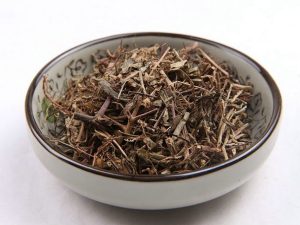
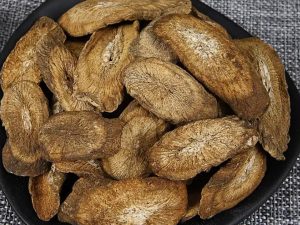
This product is cylindrical and slightly curved, 3–10 cm long and 0.4–1.2 cm in diameter. The surface is brown to dark brown, rough, with fine pore-like marks from fibrous roots and transverse wrinkles. It is hard and brittle, breaks easily, and has an uneven fracture surface; the color ranges from grayish-brown to dark brown, with a darker hue near the center.It has a faintly fragrant aroma and a slightly bitter, pungent taste.
Properties of Processed Slices
1. Xianmao: See “Characteristics of the Medicinal Material”; it has a faintly fragrant odor and a slightly bitter and pungent taste.
2. Jiuxianmao: Resembles Xianmao in shape, but is darker in color and has a slight wine-like odor.
3. Mixianmao: Resembles Xianmao in shape, but is darker in color and lacks a white center.
4. Rice-Wash-Processed Xianmao: Resembles Xianmao in shape and is darker in color.
Botanical Information
Botanical Classification
Xianmao (Xianmao), a plant of the genus Xianmao in the family Xianmaoaceae.
Morphological Characteristics
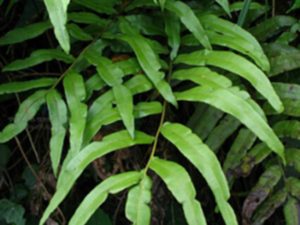
A perennial herb. The rhizome is nearly cylindrical and grows erect, with a diameter of about 1 cm and a length of up to 30 cm; the outer skin is brown. The fibrous roots are often clustered, fleshy, and bear annular transverse striations, reaching a length of up to 6 cm. The aerial stem is inconspicuous.Leaves are basal; leaf blades are linear, linear-lanceolate, or lanceolate, 10–45 cm long, 5–25 mm wide, with a long, acuminate apex, the base extending downward into a petiole; veins are prominent; the leaves bear sparse, scattered trichomes in the second year or are glabrous.The flower stalk is very short, 6–7 cm long, mostly concealed within the base of the sheath-like leaf petioles, and also hairy; bracts are lanceolate, 2.5–5 cm long, membranous, and tomentose; the raceme is more or less corymbose, usually bearing 4–6 flowers;flowers are yellow, about 1 cm in diameter; the lower part of the floral tube is linear, while the upper part is 6-lobed, with lobes that are lanceolate, 8–12 mm long and 2.5–3 mm wide; the abaxial surface of the outer whorl is sometimes sparsely covered with long villous hairs; there are 6 stamens, about half as long as the perianth lobes; filaments are 1.5–2.5 mm long;the anthers are 2–4 mm long; the stigma is 3-lobed, with the lobes longer than the style; the ovary is elongated and narrow, with a long beak at the apex; the total length, including the beak, is 7.5 mm, and it is sparsely hairy. The berry is nearly spindle-shaped; the seeds are glossy black, with longitudinal ridges on the surface and a beak. Flowering and fruiting occur from April to September.
Distribution Area
It is distributed in Jiangsu, Zhejiang, Fujian, Jiangxi, Hunan, Guangdong, Guangxi, Sichuan, Guizhou, Yunnan, Taiwan, and other regions.
Growth Habits
Prefers a warm climate. Moderately tolerant of drought and shade. Cultivation is best suited to low mountain slopes or flatlands with deep, loose, fertile sandy loam. Not suitable for planting in low-lying areas.
Propagation Methods
Cultivation Techniques Propagation is by seed or rhizome.
Cultivation Techniques
1. Seed propagation, seedling transplanting method: In September–October, select a female plant that has flowered that year. Dig away the soil around the base, harvest the fruits from the leaf sheaths, rub out the seeds, wash them clean, and store them mixed with slightly moist fine sand for later use.Sow seeds in March–April by making furrows in the seedbed with 30 cm row spacing, then cover with a layer of fine soil approximately 1 cm thick. Once seedlings emerge, promptly remove weeds, ensure proper drainage, and apply fertilizer regularly. After two years of cultivation, plant the seedlings in the spring before new growth emerges, spacing them 25 cm × 20 cm apart, with 3–4 seedlings per hole.
2. Rhizome Propagation: Cut the rhizomes into 2-cm-long segments; when planting them in the seedbed, ensure they are not planted upside down. After 1–2 years of cultivation, they are ready for transplanting.