Dense-flowered Symplocos, a name for a traditional Chinese medicinal herb. It refers to the roots of Symplocos congesta Benth., a plant in the Symplocaceae family. It is distributed in Jiangxi, Fujian, Taiwan, Hunan, Guangdong, Hainan, Guangxi, Guizhou, Yunnan, and other regions. It has the efficacy of reducing swelling and relieving pain. It is primarily used to treat contusions and bruises.
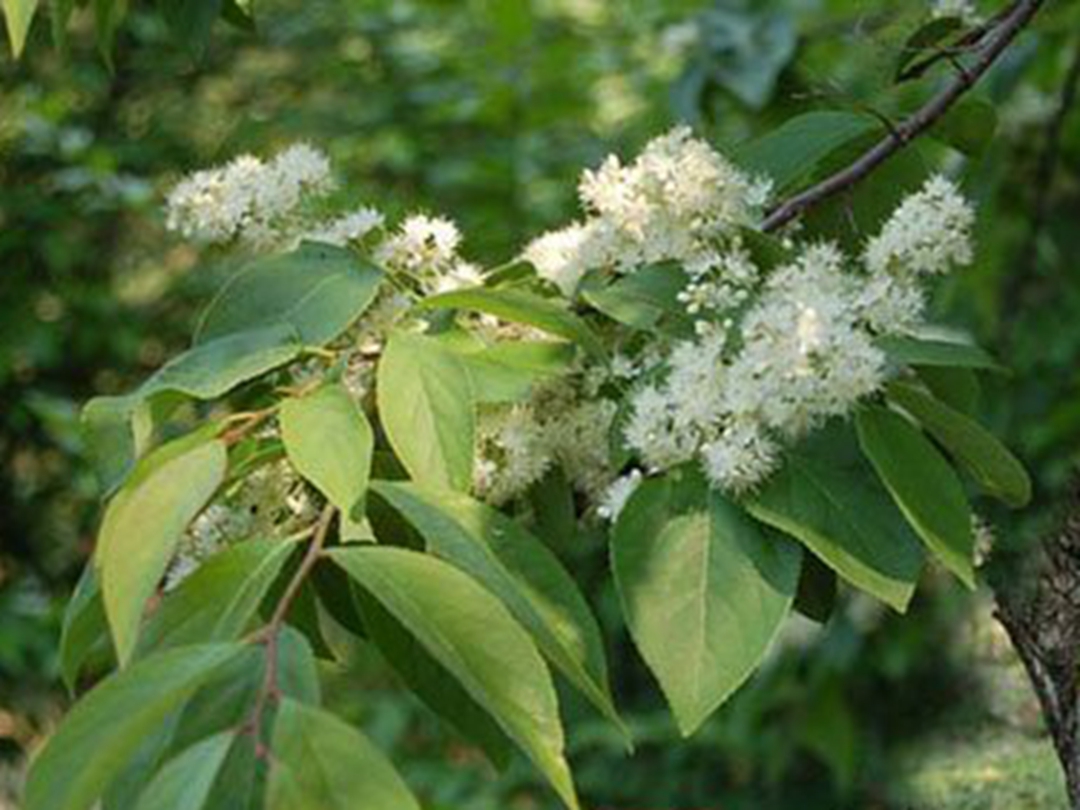
Dense-flowered Symplocos
Dense-flowered Symplocos, a name for a traditional Chinese medicinal herb. It refers to the roots of Symplocos congesta Benth., a plant in the Symplocaceae family. It is distributed in Jiangxi, Fujian, Taiwan, Hunan, Guangdong, Hainan, Guangxi, Guizhou, Yunnan, and other regions. It has the efficacy of reducing swelling and relieving pain. It is primarily used to treat contusions and bruises.
Chinese Name : 密花山矾
Nature, Flavor & Meridian Tropism : Taste: sour and bitter; nature: neutral
Benefits & Efficacy
Benefits
Reduces swelling and relieves pain.
Indications
Traumatic injuries.
Usage and Dosage
1. Internal use: Decoct 9–15 g in water. 2. External use: Use an appropriate amount; decoct in water for washing or pound into a paste for application.
Precautions
Patients requiring treatment with Chinese herbal medicine should first consult a licensed Traditional Chinese Medicine (TCM) hospital to receive a prescription following a professional TCM differential diagnosis.
Relevant Discussions
*Fujian Materia Medica*: “Treats trauma and contusions.”
Applications
Notes
References: [1] Editorial Committee of *Chinese Materia Medica*, State Administration of Traditional Chinese Medicine. *Chinese Materia Medica* Vol. 6 [M]. Shanghai: Shanghai Science and Technology Press, 1999: 150–151. [2] Hou Xueliang, Chen Quancheng, Shi Zhiyuan, et al. *Color Atlas of Native Medicinal Plants in the Fujian Huboliao National Nature Reserve* [M]. Xiamen: Xiamen University Press, 2024: 246.
Processing & Preparation
Harvesting & Processing
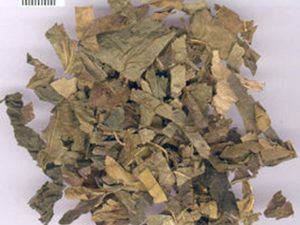
It can be harvested year-round; wash, slice, and sun-dry, or use fresh.
Crude Drug Identification
Botanical Information
Botanical Classification
Dendropodiaceae; species: Dendropodium densiflorum.
Morphological Characteristics
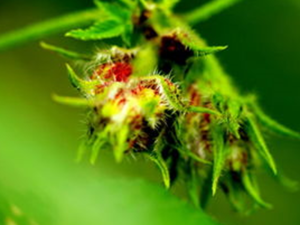
Evergreen tree or shrub. Young branches and buds are covered with brown, wrinkled, soft hairs.Leaves are alternate; petioles are 1–1.5 cm long; leaf blades are papery, elliptic or obovate, 8–17 cm long and 2–6 cm wide, with an acuminate or acute apex, a cuneate or broadly cuneate base, glabrous on both surfaces, and usually entire or very sparsely bearing fine, sharp teeth;the midrib and lateral veins are sunken on the upper surface; there are 5–10 lateral veins on each side, intersecting the midrib at an angle of 40°–45° and arching upward near the margin to form a near-circular loop.Corymbs are axillary, arising from leaf axils near the branch tips; bracts and bracteoles are both covered with brown soft hairs, with 4–5 oblong, transparent glandular dots along the margins;The calyx is sometimes reddish-brown, 3–4 mm long, glabrous, with longitudinal striations; the lobes are ovate or broadly ovate and arranged in an imbricate manner; the corolla is white, 5–6 mm long, deeply 5-lobed almost to the base, with elliptic lobes; there are about 50 stamens, with filaments slightly fused at the base; the ovary is 3-chambered; the disk is glabrous.The drupe is purplish-blue when ripe, juicy, cylindrical, 8–13 mm long, with the persistent calyx lobes erect at the apex; the stone has about 10 longitudinal ridges. Flowering occurs from August to November; fruiting occurs from January to February of the following year.
Distribution Area
Distributed in Jiangxi, Fujian, Taiwan, Hunan, Guangdong, Hainan, Guangxi, Guizhou, Yunnan, and other areas.