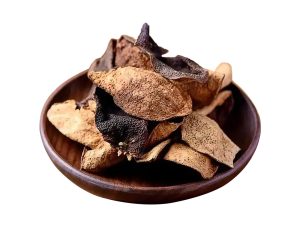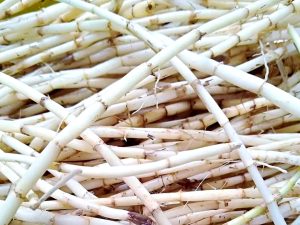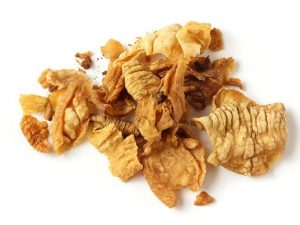
Large-flowered Glechoma, a name in traditional Chinese medicine. It refers to the whole plant of Glechoma sinograndis C.Y. Wu, a member of the Lamiaceae family. It is distributed in western, northwestern, and northeastern Yunnan. It has the effects of resolving phlegm, relieving cough, and dispersing blood stasis. It is commonly used to treat coughs with phlegm and wheezing in children, as well as fractures.
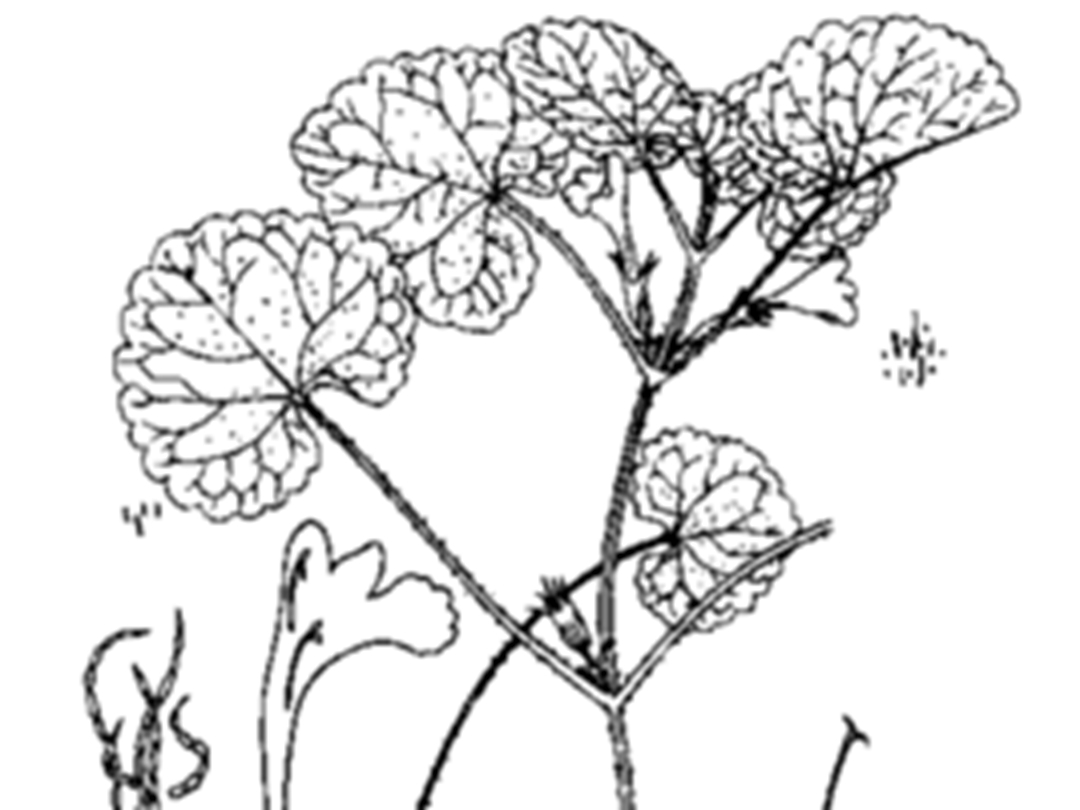
Large-flowered Glechoma
Large-flowered Glechoma, a name in traditional Chinese medicine. It refers to the whole plant of Glechoma sinograndis C.Y. Wu, a member of the Lamiaceae family. It is distributed in western, northwestern, and northeastern Yunnan. It has the effects of resolving phlegm, relieving cough, and dispersing blood stasis. It is commonly used to treat coughs with phlegm and wheezing in children, as well as fractures.
Chinese Name : 大花活血丹
Aliases : Dajincao, Tougucao
Nature, Flavor & Meridian Tropism : Pungent in taste, neutral in nature
Benefits & Efficacy
Benefits
Resolves phlegm, relieves cough, and dispels blood stasis.
Indications
Used for coughs, phlegm, and wheezing in children, as well as fractures.
Usage and Dosage
Internal use: Decoct 3–9 g. External use: Apply an appropriate amount, pounded into a paste; or grind into a powder and apply as a poultice.
Applications
Processing & Preparation
Harvesting & Processing
Harvest in spring; use fresh or sun-dried.
Crude Drug Identification
Botanical Information
Botanical Classification
Large-flowered Blood-Activating Dan (Lamiaceae).
Morphological Characteristics
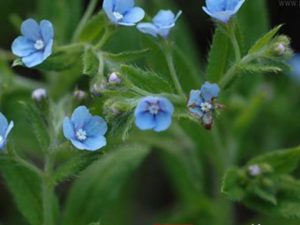
A perennial herb growing up to 25 cm tall; the entire plant is covered with long, soft, curly hairs with nodes. The creeping stems take root in the ground; the stems are ascending and quadrangular.Leaves are opposite; leaf blades are cordate-reniform, 1–3.5 cm long, 1.5–5 cm wide, with an almost rounded or obtuse apex, a cordate base, and rounded teeth along the margins; the upper surface is covered with short, stiff hairs, while the lower surface is covered with fine soft hairs; petioles are 1.5–2 times as long as the leaf blade and covered with long, soft, jointed hairs.Whorled cymes with 2–4 flowers, axillary; bracteoles linear-drill-shaped, ciliate along the margins; calyx tubular, 1–1.2 cm long, externally covered with long, nodular soft hairs and glandular dots; calyx teeth 5, with the 3 teeth of the upper lip slightly longer and those of the lower lip shorter, the tips awn-like and ciliate;Corolla pink or pale blue; upper lip deeply notched at the apex; lower lip 3-lobed, with the middle lobe nearly circular, the apex concave, and the margin slightly wavy; 4 stamens, concealed, with 2-celled anthers; ovary 4-lobed, style glabrous, stigma 2-lobed; disk cup-shaped, expanded into a finger-like structure at the front. Nutlets oblong-ovate, about 2 mm long, dark brown.Flowering period: April–May; fruiting period: May–June.
Distribution Area
Distributed in western, northwestern, and northeastern Yunnan.