
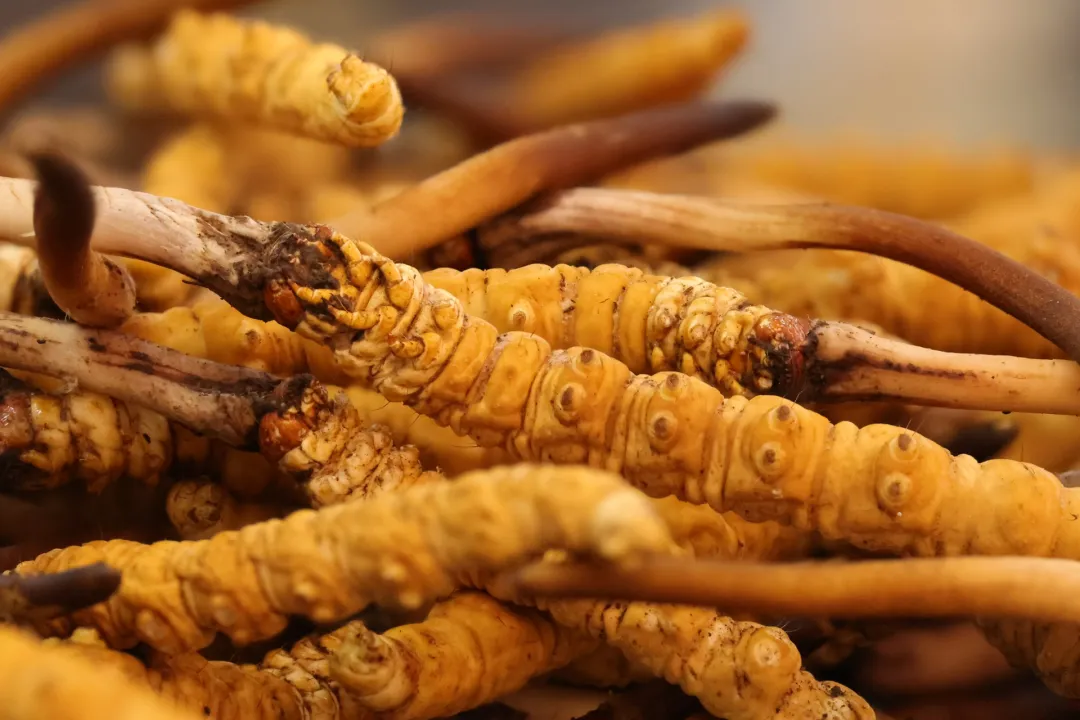
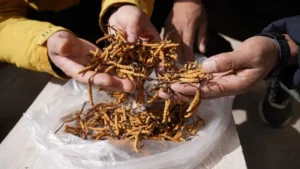
For wellness enthusiasts who value premium tonic ingredients, few natural treasures command the same respect as Ophiocordyceps sinensis, also known as winter‑worm‑summer‑grass. Alongside ginseng and deer antler, wild cordyceps earns its nickname “soft gold of the snowlands”. We are bringing you authentic wild first‑harvest fresh cordyceps freshly dug from high‑altitude grasslands in Yushu, Qinghai. Airlifted immediately after harvest, these specimens retain peak bioactivity. This is not ordinary dried cordyceps, nor lab‑cultivated material. Its nutritional profile far surpasses mass‑produced alternatives.
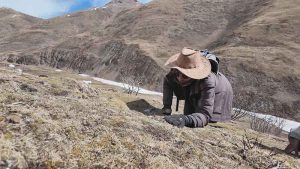
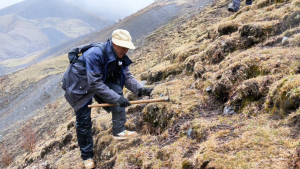
Wild cordyceps grows in harsh mountain terrain and demands gruelling manual harvesting. Extreme scarcity has spawned a large market of counterfeit and artificially cultivated substitutes. Many consumers take cordyceps supplements for years without realising they have never tried genuine wild caterpillar fungus.
Below we break down key differences between authentic wild cordyceps and artificially‑grown versions.
1. Distinct nutritional host substrate
Wild Ophiocordyceps sinensis forms when the fungus infects ghost‑moth larvae. The final product is a composite of fungal stroma and the larval body. Nutrients are accumulated naturally within the insect host in its native high‑altitude habitat.
Artificially cultivated cordyceps is produced in factory‑style controlled growing rooms. It does not replicate the full biological complexity of wild cordyceps, and cannot match its natural nutritional spectrum.
2. Different growing environments and life cycles
Wild cordyceps develops at altitudes above 4,400 metres. Only on rare occasions do ghost‑moth larvae ingest fungal spores. The organism then absorbs nutrients from mountain soil over 3‑5 years to complete its full life cycle.
Cultivated cordyceps is raised in simulated greenhouse conditions. Moth larvae are hatched and fed artificial feed, then inoculated with fungal mycelium. The full growing cycle lasts merely 2‑3 months. Growing conditions directly shape the concentration of active compounds.
3. Variation in nutritional value
Wild cordyceps contains unique bioactive compounds including amino acids, cordycepin, cordycepic acid and adenosine. It supplies more than 20 kinds of amino acids, including all eight essential amino acids for human health. It also contains taurine, which supports cardiac cell stability, free‑radical clearance, cell‑membrane protection, nutrient metabolism, immunity and neuro‑endocrine regulation.
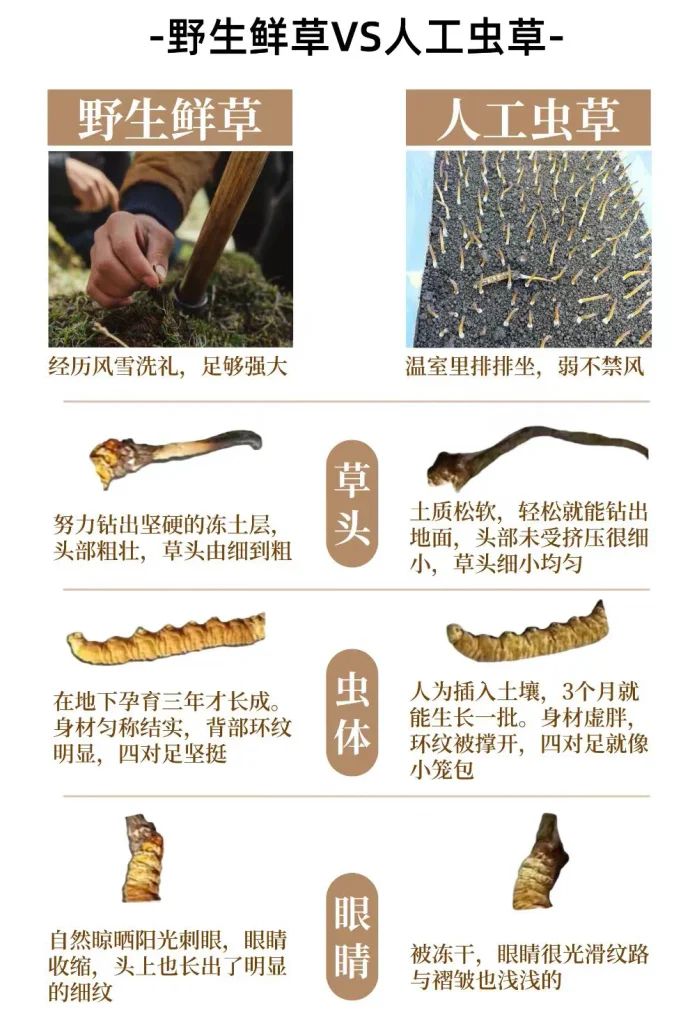
By comparison, artificially cultivated cordyceps offers nutritional value comparable to common fungi such as mushrooms or wood‑ear fungus, and cannot rival wild cordyceps.
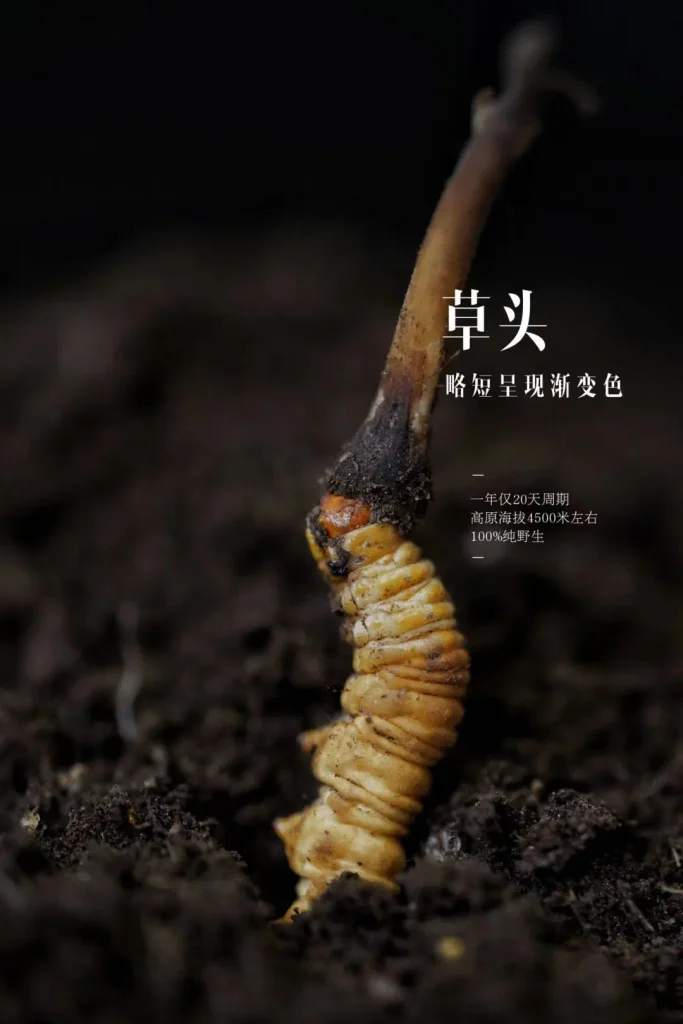
Cordyceps head: Slightly short with a gradient coloration
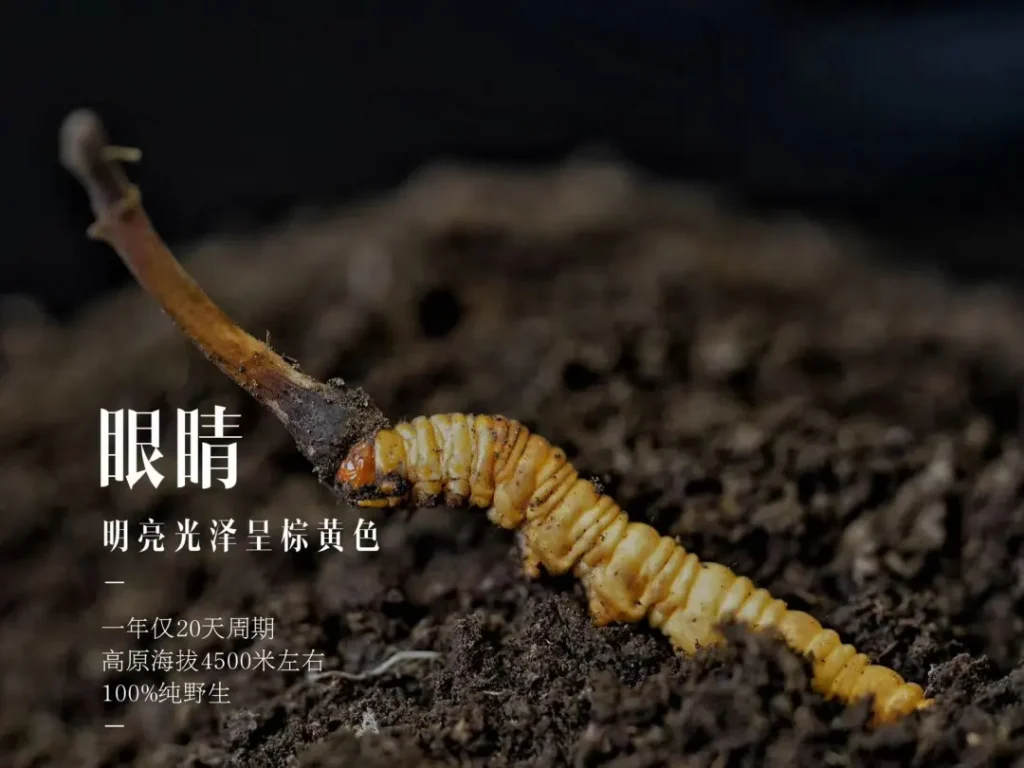
Cordyceps eyes: Bright and lustrous, with a brownish-yellow color
Cordyceps forelegs: three pairs of reduced forelegs
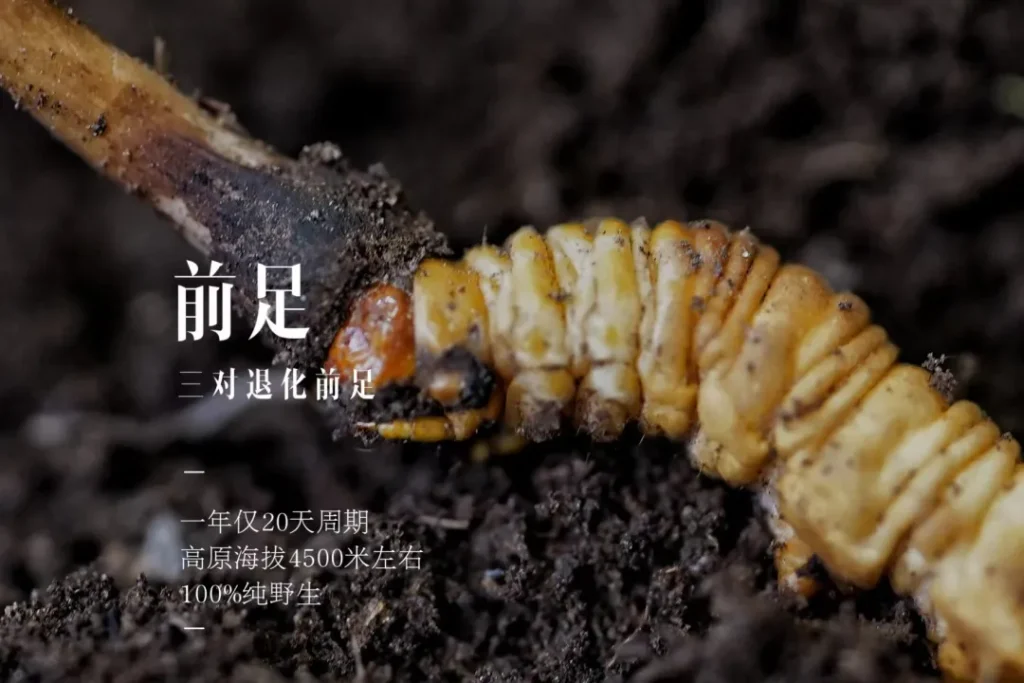
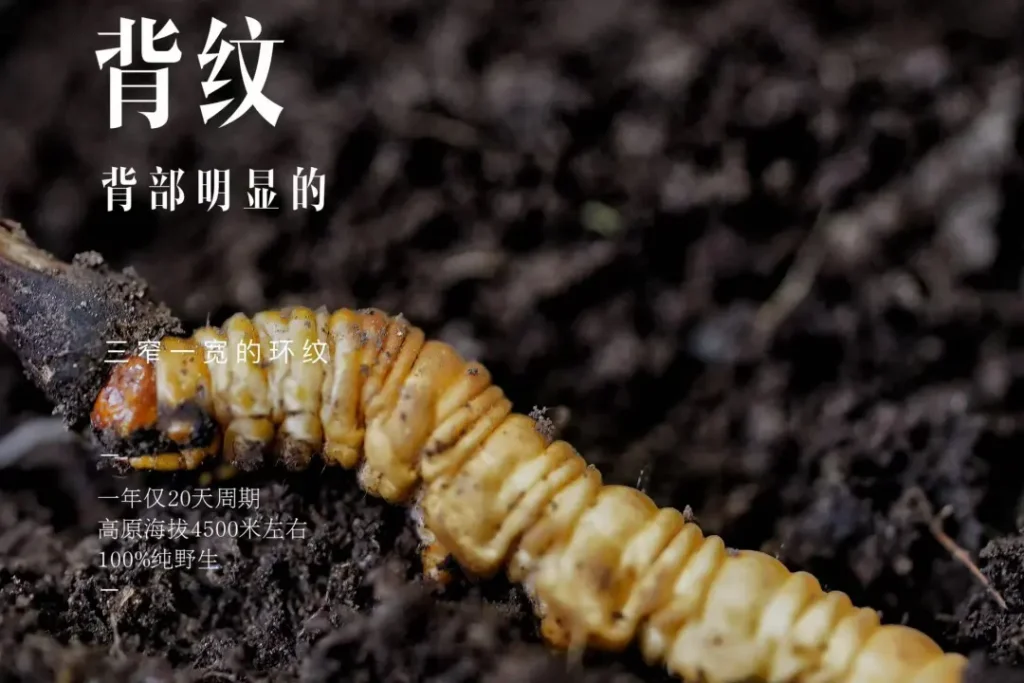
Cordyceps dorsal pattern: three narrow and one wide ring-like markings on the back
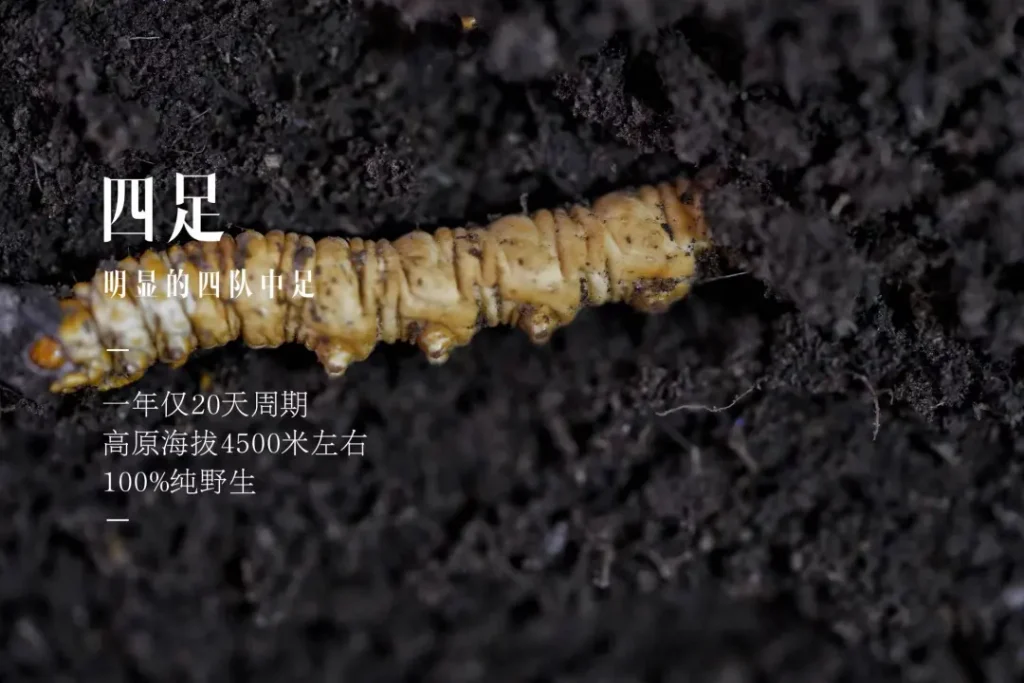
Cordyceps with Four Legs: Four distinct pairs of middle legs
Cordyceps tarsal segments: There is a pair of reduced tarsal segments.
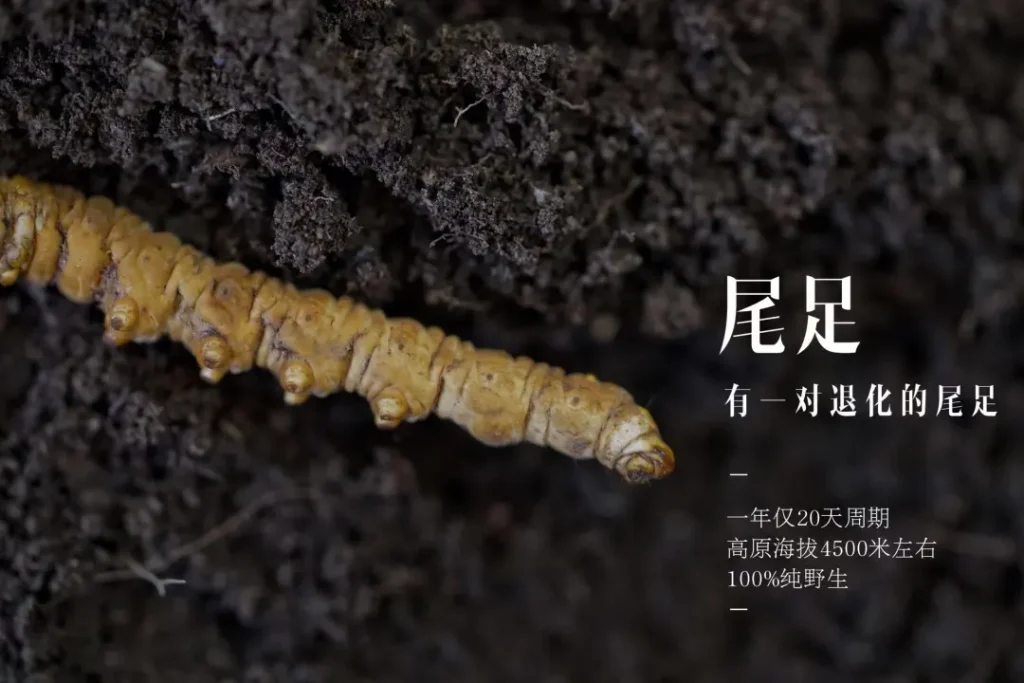
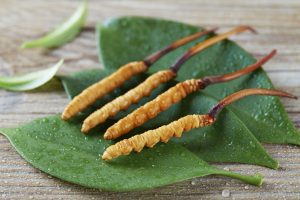
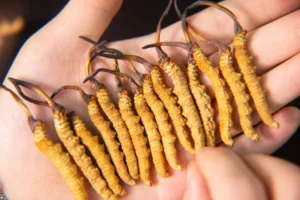
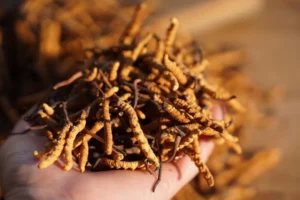
High‑quality wild cordyceps features plump, golden‑yellow larval bodies. The stroma (grass‑like fruiting stalk) is relatively short with gradual colour transition. Other identifying markers include glossy brown‑yellow eyes, three pairs of reduced front feet, distinct ring patterns across the back (three narrow rings followed by one broad ring), four prominent middle feet and one pair of reduced rear feet.
How to spot fake or misrepresented cordyceps online
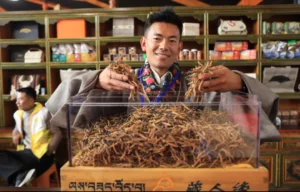
Many online stores sell huge volumes at seemingly reasonable price points. Genuine wild cordyceps cannot support such massive sales numbers.
Wild cordyceps harvesting takes place in oxygen‑thin high‑altitude terrain, where local herders can only work limited hours each day. Even with large teams of pickers, output of premium‑grade cordyceps stays very limited.
Fresh wild cordyceps is only available for roughly 20 days per year. If listings show tens of thousands of units sold right as the short harvest season opens, these products are almost certainly not authentic wild‑harvested material.
Counterfeit and mislabelled goods are widespread in the marketplace. That is why we source genuine first‑harvest fresh wild cordyceps directly from Yushu, Qinghai. Both Yushu and Nagqu (Xizang) are world‑famous cordyceps‑producing regions, and both have won industry quality awards. Higher altitude generally correlates with better cordyceps quality.
You may wonder why we prioritise Yushu over Nagqu. Nagqu enjoys great fame, which attracts counterfeit operators. Many low‑altitude cordyceps batches are shipped to Nagqu and falsely sold as local Nagqu‑origin goods. A mature supply chain circulates artificially‑grown cordyceps and misrepresented products through local influencers and online livestreams.
Additionally, local merchants in Nagqu tend to dry cordyceps rather than sell fresh specimens, as dried cordyceps yields higher profit margins. Merchants across most producing areas avoid fresh sales due to high logistical risk and cost.
That makes authentic first‑harvest fresh wild cordyceps particularly rare. First‑harvest specimens absorb maximum nutrients from the alpine soil, delivering superior bioactivity and richer, distinctive fungal aroma.
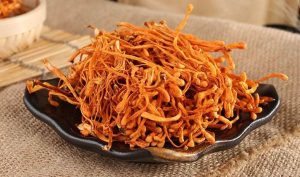
Dried cordyceps goes through brushing and shade‑drying after digging. During dehydration, 30‑50 % of moisture evaporates, alongside substantial loss of heat‑sensitive active nutrients. Further nutrient loss occurs during high‑heat stewing for consumption. Human digestive enzymes also struggle to break down dried cordyceps fully, so only a small fraction of nutrition is absorbed. Dried cordyceps also has a limited shelf‑life of roughly two years.
Our fresh wild cordyceps is hand‑brushed without water washing, preserving its full nutrient profile. You can enjoy it in multiple ways:
- Eat raw: rinse lightly, chew directly for sweet, crisp flavour with subtle butter‑tea and ginseng‑like after‑notes.
- Simmer in soups with chicken or duck for a nourishing broth.
- Add to congee, rice or steamed eggs right before serving.
- Soak in herbal wine, or pair with bird’s‑nest for premium home tonic regimens.
We offer four product tiers:
- Entry‑level (0.4 g‑0.5 g per piece): great for regular daily use. Sold without gift box, shipped in insulated foam boxes with ice packs via SF Express. Buyers often stock 50‑100 pieces.
- Mid‑tier gift‑boxed grades (1.2‑1.3 g per piece; 1.3‑1.4 g per piece).
- Premium jumbo grade (1.5 g+ per piece): extremely scarce, ideal for gifting for festivals such as the Dragon Boat Festival.
Storage guidance
Once your SF Express cold‑chain parcel arrives, place fresh cordyceps immediately into freezer storage. Fresh cordyceps holds 60‑80 % moisture and is vulnerable to microbial spoilage. Freezer storage preserves quality for up to one year, though best consumed within six months. Take out only what you need for each serving; avoid repeated freeze‑thaw cycles.
The fresh cordyceps season runs from early May until late June each year. Once the fresh harvest window closes, only dried cordyceps will be available. Do not miss this limited seasonal offering.
Absolutely fascinating! I’ve read so much about cordyceps but never tried the fresh first‑harvest kind. The “soft gold of the snowlands” nickname really captures its value. Would love to know how the taste differs from dried ones –
Que maravilha! Sempre ouvi falar que os cordyceps de Yushu são dos melhores, ainda mais nessa primeira colheita. Para quem busca um tônico natural de verdade, é um achado. Quem já provou o fresco sabe a diferença. Parabéns por trazerem um produto tão autêntico e preservarem essa tradição das terras altas!