
Kidney health is foundational to whole‑body homeostasis. The kidneys filter waste, balance electrolytes, regulate blood pressure and support hormone production. Modern stress, aging, metabolic strain and toxin exposure can place extra burden on renal tissue. In traditional Chinese medicine, cultivated Cordyceps militaris is a premier tonic for replenishing Kidney Qi. It delivers complementary wellness support, but is never a replacement for clinical nephrology care for diagnosed kidney disease.
Important Disclaimer: Cordyceps is holistic complementary support. If you have confirmed chronic kidney disease (CKD), impaired renal filtration, elevated creatinine or kidney stones, you must follow your nephrologist’s guidance. Do not use cordyceps to replace prescription kidney‑related medications or medical monitoring. Self‑supplementation in established kidney disease carries risks.
Traditional TCM Perspective on Cordyceps for Kidneys
Within Traditional Chinese Medicine, the Kidney stores Essence (Jing) — the root constitutional energy governing aging, reproduction, bone health, stamina and fluid metabolism. Kidney‑Qi deficiency manifests as persistent fatigue, lower‑back soreness, weak knees, nighttime urination, low libido and diminished physical resilience.
Cordyceps uniquely tonifies both Lung Qi and Kidney Jing. It replenishes depleted Kidney essence, supports fluid metabolism, strengthens the lower body, and assists the kidneys in grasping qi from the lungs. For centuries it has been used for people with constitutional kidney weakness, post‑illness depletion and age‑related decline of Kidney Qi.
Scientific Mechanisms: How Cordyceps Supports Kidney Wellness
1. Protect Renal Tissue Against Oxidative Stress
Free radicals generated by metabolic stress, inflammation and aging damage kidney cells. Cordyceps polysaccharides and cordycepin deliver antioxidant activity that reduces oxidative injury to renal tubular cells, preserving kidney cell integrity.
2. Modulate Kidney‑Targeted Inflammation
Chronic low‑grade inflammation is a major driver of progressive renal tissue damage. Cordyceps down‑regulates pro‑inflammatory cytokines inside kidney tissue, helping to lessen inflammatory burden on the kidneys.
3. Support Normal Renal Blood Circulation
Healthy blood perfusion is critical for kidney filtration. Cordyceps helps maintain microcirculation within renal tissue, supporting nutrient and oxygen delivery to kidney structures.
4. Mitigate Drug‑Induced Kidney Tissue Stress (supportive research)
Pre‑clinical studies indicate cordyceps may help reduce toxic oxidative stress to kidney tissue triggered by certain pharmaceutical agents. This is only adjunct supportive potential; it does not permit ignoring doctor warnings for nephrotoxic medications.
5. Regulate Anti‑Oxidant Enzyme Activity in Renal Cells
Cordyceps can boost endogenous antioxidant enzymes such as superoxide dismutase within kidney tissue, raising the tissue’s own defence capacity against cellular damage.
Signs You May Benefit From Cordyceps for Kidney‑Qi Support
Note: These signs represent TCM Kidney‑Qi deficiency pattern, not a diagnosis of organic kidney disease. If you suspect actual kidney illness get blood and urine lab testing.
- Persistent fatigue that does not improve with adequate sleep
- Dull soreness in lower back or weak knee joints
- Frequent nighttime urination (no underlying urinary tract infection)
- Low physical stamina, slow recovery after exercise or illness
- Age‑related constitutional decline, feeling run‑down long‑term
- Post‑treatment physical depletion after infection or medical therapy
Critical Safety Guidelines
- Confirmed kidney disease / reduced eGFR: Do NOT take cordyceps without explicit approval from your nephrologist. Some mushroom supplements can create excess metabolite load for impaired kidneys.
- Cyclic usage protocol for generally healthy adults: Take daily for 6‑8 weeks, followed by a one‑week rest interval.
- People taking anticoagulants / blood‑thinning medication should consult a doctor before use due to mild anti‑platelet properties of cordyceps.
- Pregnant and breastfeeding individuals avoid cordyceps unless cleared by a healthcare provider.
- Never discontinue kidney‑related prescription medications in favour of herbal supplements.
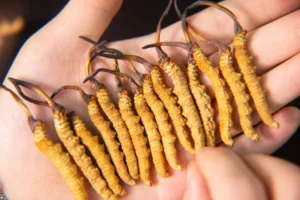
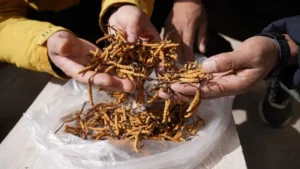
- Prefer cultivated Cordyceps militaris. Wild Ophiocordyceps sinensis is expensive, frequently adulterated and unnecessary for kidney wellness support.
How to Use Cordyceps for Kidney‑Qi Wellness
- Standardised cordyceps extract capsules or powder: Choose extracts standardised for polysaccharides and cordycepin. Morning intake is preferred.
- Decoction tea: Simmer dried cordyceps fruiting bodies for 15‑20 minutes. Can combine with astragalus root for combined Spleen‑Lung‑Kidney tonic support.
- Synergistic herbal pairings for kidney‑qi: cordyceps + astragalus root, cordyceps + schisandra berry.
Note: Sensitive individuals should avoid large doses late in the evening, as adaptogenic mushroom compounds may cause mild alertness and interfere with sleep.
Final Thoughts
Cordyceps for kidneys works by replenishing TCM Kidney Jing and Kidney‑Qi while delivering antioxidant and anti‑inflammatory protection for renal cells. It is excellent for generally healthy people experiencing constitutional depletion, lower‑back weakness and fatigue linked to Kidney‑Qi deficiency. However, it is not treatment for organic kidney disease. Anyone with abnormal kidney lab results must strictly follow nephrology medical care and obtain provider approval before starting cordyceps supplementation.
Structured FAQ
Q1: Can cordyceps cure kidney disease or raise low eGFR?
A: No. There is no evidence cordyceps cures chronic kidney disease. If you have low eGFR, elevated creatinine or proteinuria, follow your nephrologist; self‑supplementation may carry risk.
Q2: Does cordyceps help nighttime urination?
A: It may reduce nocturia linked to TCM Kidney‑Qi deficiency in otherwise healthy adults. If nighttime urination is caused by diabetes, prostate issues or kidney pathology, treat the underlying medical condition.
Q3: Can I combine cordyceps and astragalus for kidney‑lung support?
A: Yes, it is a classic TCM pairing. Astragalus tonifies Spleen and Lung Qi, cordyceps tonifies Lung and Kidney Jing. Use cyclic dosing for healthy adults.
Q4: Is cordyceps safe for people on blood pressure medications affecting kidneys?
A: There are no known direct interactions, but consult your physician before adding any supplement while on renal‑targeted prescription drugs.
Q5: How long to take cordyceps to notice improvements in kidney‑qi related fatigue or back soreness?
A: Most healthy adults notice improved stamina and reduced lower‑back aching after 3‑5 weeks of consistent cyclic daily intake.
Q6: Are there side‑effects taking cordyceps for kidney support?
A: Generally well‑tolerated in healthy adults. Rare mild digestive upset may occur. Sensitive users may experience evening alertness if dosed too late in the day.
Q7: What is the difference between wild Ophiocordyceps sinensis vs cultivated Cordyceps militaris for kidney support?
A: Wild Ophiocordyceps sinensis is scarce, costly and often counterfeit. Cultivated Cordyceps militaris contains the key bioactive polysaccharides and cordycepin and is the practical choice for wellness use.




บทความดีมากครับ ประเด็นเรื่องไตกับพลังงานในร่างกายน่าสนใจ ผมเองก็เริ่มหันมาดูแลสุขภาพไตมากขึ้นเพราะวัยใกล้40 แล้ว เคยได้ยินเรื่องคอร์ไดเซป
Interesting read! I’ve been looking into natural ways to support kidney health, and it makes sense that something like Cordyceps would help with energy and overall balance. Modern life really does take a toll on our bodies, so it’s good to know there are options rooted in traditional wisdom. Has anyone here actually tried it for this purpose?