
A well‑functioning immune system balances two critical jobs: defending against invading pathogens and preventing excessive inflammatory over‑reaction. Many modern factors including overtraining, chronic stress, post‑viral depletion, poor sleep and aging can throw immune function off‑balance, leaving you more prone to frequent colds, slow recovery and persistent low‑grade inflammation.
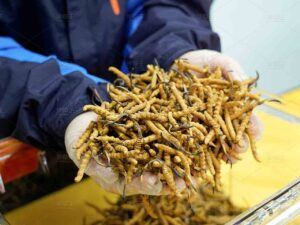
Cordyceps (primarily cultivated Cordyceps militaris) is a well‑known traditional medicinal mushroom valued for bidirectional immune‑modulating activity. It is important to understand: cordyceps is not a “immune booster” that simply cranks immune activity higher. Instead it modulates — supporting under‑active immune defenses while tempering runaway inflammatory responses.
Important Disclaimer: Cordyceps is complementary wellness support only. It cannot treat infections, replace antibiotics or prescribed immune‑related medications. If you suffer from recurring serious infections, fever or autoimmune symptoms, seek formal medical evaluation and treatment.
Traditional TCM Perspective on Cordyceps for Immune Health
In Traditional Chinese Medicine, immune defense relies on Wei Qi (defensive qi). Wei Qi depends on healthy Lung Qi and Kidney Jing.
- Kidney Jing stores your core constitutional vitality. Lung Qi governs the respiratory tract, the body’s primary outer defensive barrier.
- When Lung‑Kidney Qi are depleted by sickness, overwork, aging or long‑term stress, Wei Qi becomes weak. Common signs: frequent colds, slow recovery after illness, easy fatigue and respiratory sensitivity.
- Cordyceps tonifies both Lung Qi and Kidney Jing. It rebuilds deep‑seated constitutional energy to strengthen Wei Qi from the root, improving the body’s natural defensive capacity. TCM uses cordyceps for people with recurring infections and post‑disease immune depletion.
Scientific Mechanisms: How Cordyceps Supports Immune Health
Note: Many findings come from in‑vitro, animal and small‑scale human trials. Large‑scale long‑term human clinical data remains limited.
1. Activate Innate Immune Cell Function
Cordyceps polysaccharides and cordycepin boost activity of natural‑killer (NK) cells, macrophages and dendritic cells. These innate immune cells locate and clear pathogens, infected cells and cellular debris. Clinical observations show regular cordyceps intake can raise NK‑cell activity in healthy adults.
2. Bidirectional cytokine modulation
Cordyceps balances inflammatory signalling. When immune response is too weak, it supports protective cytokine production. When inflammation is excessive, it helps down‑regulate over‑active pro‑inflammatory markers such as TNF‑α and IL‑6, avoiding unchecked inflammatory damage to bodily tissues.
3. Support adaptive immune system
It promotes healthy lymphocyte (T‑cell and B‑cell) proliferation, supporting the body’s ability to build targeted immune memory after exposure to pathogens, which supports long‑term immune resilience.
4. Antioxidant protection for immune‑system tissue
Chronic oxidative stress damages immune organs and immune cells. Cordyceps bio‑actives raise endogenous antioxidant enzyme levels, shielding immune cells from oxidative wear‑and‑tear caused by stress, exercise and illness.
5. Aid immune recovery after stress, exercise or viral illness
Intense exercise, long‑term stress and viral infection can temporarily suppress immune function. Cordyceps helps restore immune‑cell balance during recovery phases, lowering susceptibility to secondary infections post‑illness.
Who May Benefit From Cordyceps for Immune‑Related Support
These represent functional wellness patterns and are not medical diagnoses. Seek clinical assessment for confirmed immunodeficiency or autoimmune disease.
- Tendency to catch frequent colds and mild upper‑respiratory infections
- Slow physical and immune recovery after viral illness
- Heavy‑training athletes who experience temporary immune suppression after hard workouts
- Chronic‑stress sufferers whose immunity weakens under pressure
- Middle‑aged and older adults looking to maintain age‑related immune resilience
- People recovering from surgery or medical treatment experiencing general immune depletion
Groups Where Cordyceps Is Not Suitable Without Doctor Clearance:
- Anyone with diagnosed autoimmune conditions
- Organ‑transplant recipients taking immunosuppressant drugs
- Persons undergoing immune‑modulating biological therapies
Cordyceps Species Comparison Table for Immune Support
| Item | Ophiocordyceps sinensis (Wild caterpillar fungus) | Cultivated Cordyceps militaris |
|---|---|---|
| Immune‑related bioactives | Polysaccharides, adenosine; content highly variable | Standardized polysaccharides + high cordycepin content |
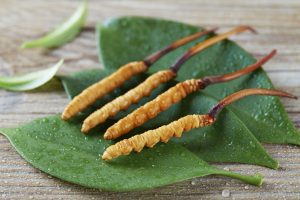
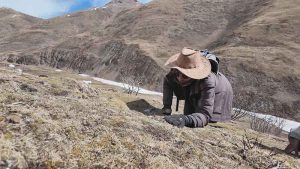
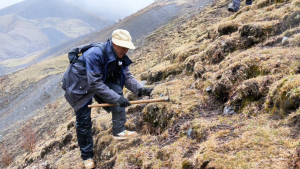
| Quality consistency | Wild‑harvested; high adulteration and heavy‑metal risk | Controlled indoor cultivation; repeatable measurable potency |
| Price | Very high cost for regular daily supplementation | Cost‑effective for long‑term daily use |
| Research evidence for immunity | Mostly older observational records | Growing body of modern pre‑clinical and small human studies |
| Practical recommendation | Not recommended for everyday immune support | Preferred choice for regular immune‑modulating supplementation |
Takeaway: For consistent daily immune support, select lab‑tested cultivated Cordyceps militaris. Wild‑collected Ophiocordyceps sinensis is impractical and frequently counterfeit.
Recommended Usage, Dosage & Timing
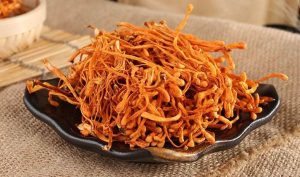
- Available forms: Standardized dual‑extract capsules or powder (preferred for consistent bio‑active levels); decoction tea (simmer dried fruiting bodies for 15‑20 minutes).
- General immune‑support dosage for healthy adults: 1000‑2000 mg of standardized Cordyceps militaris extract daily.
- Timing suggestion: Morning or early‑afternoon intake. Some sensitive individuals may experience mild alertness; avoid large doses late in the evening to prevent sleep interference.
- Usage cycle: Most wellness sources recommend cyclic use: take daily for 6‑8 weeks, followed by a 7‑day rest interval, then resume as needed.
- Synergistic herbal combinations for immune resilience:
- cordyceps + astragalus root (classic TCM Lung‑Wei‑Qi tonic combination)
- cordyceps + schisandra berry (antioxidant + adaptogen support)
Critical Safety Guidelines & Contraindications
- Autoimmune disease & immunosuppressant medications: Cordyceps is immune‑modulating. If you live with autoimmune disorders (lupus, rheumatoid arthritis, MS, IBD) or take transplant‑related immunosuppressants, do not self‑supplement. You must obtain explicit approval from your specialist before use.
- Anticoagulant / anti‑platelet drugs: Cordyceps carries mild anti‑platelet activity. If you take blood‑thinning medicines, consult your doctor before starting supplementation.
- Pre‑surgery precaution: Discontinue cordyceps a minimum of two weeks before scheduled surgery to reduce theoretical bleeding‑related risk.
- Pregnancy and breastfeeding: Avoid cordyceps; there is insufficient human safety research for these life‑stages.
- Diabetes medications: Cordyceps may have mild blood‑glucose‑lowering properties. If you use insulin or oral anti‑diabetic drugs, seek medical guidance to monitor blood‑sugar levels.
- Not for acute active infection: Cordyceps is for building baseline immune resilience. If you have high fever, severe infection, seek medical care; tonic mushrooms are generally held during acute illness phases.
- Cordyceps is complementary support only; it cannot replace vaccination, balanced nutrition, sleep and standard medical treatment for infections or immune‑system disease.
Final Thoughts
Cordyceps for immune support delivers bidirectional immune‑modulating benefits rather than simple immune‑stimulation. By tonifying Lung‑Kidney Qi in TCM terms and supporting NK‑cell activity, balancing cytokines and defending immune‑cell tissue from oxidative stress, cultivated Cordyceps militaris helps build whole‑body immune resilience. It works best alongside adequate sleep, nutrient‑dense meals, stress management and regular movement. Remember it is not a quick fix for acute sickness, but a long‑term wellness tool for people dealing with stress‑ or age‑related lowered immune defenses.
Q1: Does cordyceps super‑charge my immune system so I will never get sick?
A: No. Cordyceps modulates and supports baseline immune resilience, it cannot completely prevent colds or viral illness. It reduces susceptibility linked to immune depletion, but you can still contract infections when exposed to pathogens.
Q2: Can I take cordyceps if I have an autoimmune condition?
A: Cordyceps has immune‑modulating properties. Do not start on your own. You must discuss it with your rheumatologist or immunologist, as it may theoretically alter autoimmune disease activity.
Q3: Is cordyceps safe to combine with astragalus root for immune health?
A: Yes, this is a well‑known traditional pairing. Astragalus tonifies Spleen‑Lung Wei Qi, cordyceps tonifies Lung‑Kidney Jing. Together they support respiratory and immune resilience; take in morning hours.
Q4: How long until I notice improvements in immune resilience?
A: Immune changes happen gradually. Most healthy adults observe less frequent minor illness and better post‑sickness recovery after 4‑8 weeks of consistent cyclic daily intake.
Q5: Can athletes take cordyceps to avoid exercise‑induced immune suppression?
A: Yes. It may help offset temporary immune‑system dip after heavy training sessions. It is supplementary only and cannot replace adequate sleep and recovery days.
Q6: What side effects can cordyceps cause for immune‑support use?
A: Generally well‑tolerated for healthy adults. Rare mild digestive upset (bloating, soft stools) may occur when starting. Sensitive persons may experience heightened alertness if dosed late in the evening. Discontinue if you develop mushroom‑related allergic reactions.
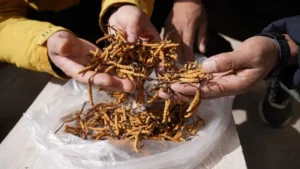
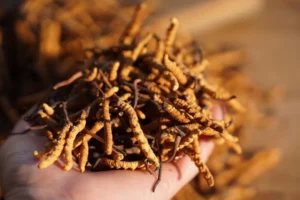
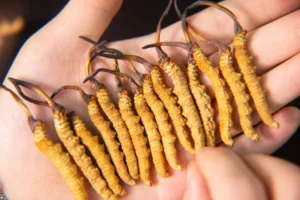
Q7: What is the difference between wild Ophiocordyceps sinensis and cultivated Cordyceps militaris for immunity?
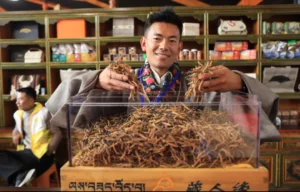
A: Wild Ophiocordyceps sinensis is scarce, very expensive and often adulterated or contaminated. Cultivated Cordyceps militaris contains the key polysaccharides and cordycepin responsible for immune‑modulating effects and is the practical everyday‑use option.
Interesting read! I’ve been dealing with low energy and getting every bug that goes around after a rough year of stress. I’d heard cordyceps was good for athletes, but didn’t realize it could help balance immune response too. Might have to give it a try this winter. Anyone here had success with it for better recovery?
這篇文章講得好!現代人壓力大又睡不好,免疫力真的很容易失調。我自己試過冬蟲夏草一陣子,感覺換季時沒那麼容易感冒,恢復也快些。不過還是要搭配規律作息,不能全靠保健品。謝謝分享,讓我更了解它的作用原理!