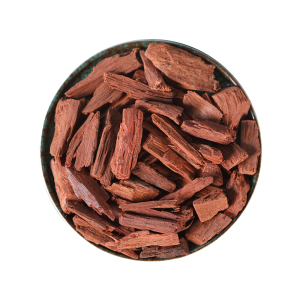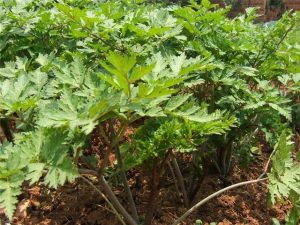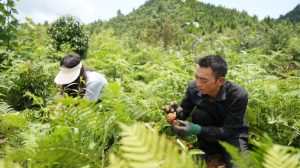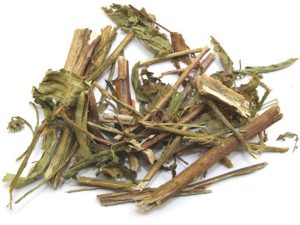
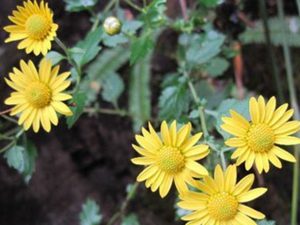
Dong Quai
Gastrodia Elata
Astragalus
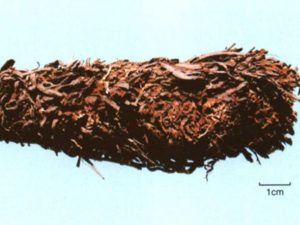
Cordyceps sinensis
cordyceps tea
Grains
Legumes

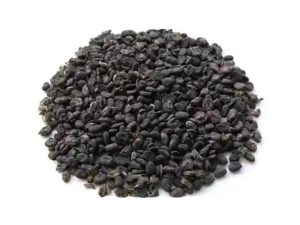
Wood Butterfly

Wood Butterfly is the name of a traditional Chinese medicine. It consists of the dried, mature seeds of Oroxylum indicum (L.) Vent., a plant belonging to the genus Oroxylum in the family Bignoniaceae. It commonly grows on slopes, along streams, in valleys, or in shrubbery at altitudes below 1,000 meters and is distributed in Fujian, Taiwan, Guangdong, Hainan, Guangxi, Sichuan, Guizhou, and Yunnan. It has a bitter and sweet taste and a cool nature.It has the effects of clearing lung heat, relieving throat discomfort, regulating liver qi, and harmonizing the stomach. It is commonly used to treat coughs caused by lung heat, sore throat, hoarseness, and liver-stomach qi pain.

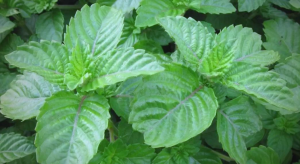
Xiangfu

Xiangfu is a traditional Chinese medicine derived from the dried rhizome of Cyperus rotundus L., a plant belonging to the genus Cyperus in the Cyperaceae family. This herb has the effects of soothing the liver and relieving depression, regulating qi and alleviating epigastric distension, and regulating menstruation and relieving pain. It is primarily used to treat liver depression and qi stagnation, distending pain in the chest and flanks, hernia pain, breast distension and pain, spleen and stomach qi stagnation, epigastric and abdominal fullness and distension, bloating and pain, irregular menstruation, amenorrhea, and dysmenorrhea.

Well-Bottom Mud

Well-bottom mud, a name in traditional Chinese medicine. It refers to the grayish-black mud deposited at the bottom of wells. It is distributed throughout the country. It has the effects of clearing heat, detoxifying, and stabilizing the fetus. It is commonly used for febrile illnesses during pregnancy, fetal restlessness, wind-heat headaches, pemphigus, heat-induced boils, and scalds and burns.

Ciwu

Corvus monedula, a name for a traditional Chinese medicinal material. It refers to the entire body or meat of the hooded crow (Corvus monedula (Linnaeus)), a member of the Corvidae family. It has the efficacy of nourishing yin and subduing yang. It is primarily used to treat consumptive coughs, bone-consumptive fever, and physical weakness and emaciation.

When Is the Best Time to Take Dong Quai

Dong quai follows cycle-aligned herbal timing — this is the biggest secret most people miss. It works to nourish blood and build pelvic circulation before your period arrives, and you adjust intake according to your cycle phase. 1. Reproductive years (still having periods) ✅ Best window to take dong quai: Follicular Phase — Day after … Read more

How Long Does Dong Quai Take to Work

Dong quai is a nutritive blood tonic; it rebuilds your body’s balance gradually — it does not deliver overnight results. Response times depend on your symptoms, consistent dosing, and following the follicular-phase cyclic routine. 1. Early subtle shifts (2–4 weeks) Many women notice small, preliminary improvements within 2 to 4 weeks of steady proper use: … Read more

How much dong quai should I take daily?

Dosage depends on the form you use, your symptoms, and whether you follow cyclic usage rules. We are referring to dried root cut / crude dried dong quai root (Angelica sinensis) — the standard herbal form. Important: This guidance is for oral internal use for adult women. Not for children, pregnancy, breastfeeding. Standard Daily Dosage … Read more

Can Dong Quai ease endometriosis pain?

Dong quai may reduce mild-to-moderate pelvic pain from endometriosis for some women, but it must be used cautiously and is not suitable for everyone. Its blood-moving properties help stagnation-related discomfort, yet there are important risks to understand due to estrogen receptor interaction. How Dong Quai works for endometriosis discomfort Critical Safety Risk: Key Concern for … Read more

Can Dong Quai Help PCOS Hormone Imbalance?

Dong quai offers supportive benefits for some women with PCOS, but it is NOT a standalone treatment for PCOS hormone imbalance. Results depend heavily on your PCOS subtype. It works best for PCOS marked by pelvic blood stagnation + blood deficiency, but it cannot directly lower elevated androgens (testosterone) on its own. How Dong Quai … Read more

Can Dong Quai Stop Heavy Menstrual Bleeding?

Generally NO — dong quai usually should NOT be used during heavy menstrual bleeding, and it cannot reliably stop heavy periods. In some cases, it may even worsen excessive flow. This is one of the most critical safety points many users misunderstand. Key Mechanism Explained Dong quai has two primary actions: The blood-moving (stagnation-clearing) property … Read more

Does Dong Quai Reduce Menopause Night Sweats?

Yes, dong quai can lower the frequency and intensity of menopause night sweats for many women, particularly night sweats linked to blood-yin deficiency and hormone fluctuation. It is not a guaranteed cure and works best for mild to moderate symptoms. How Dong Quai eases night sweats Which symptoms pair well with successful results ✅ Typical … Read more

Does Dong Quai Help Vaginal Dryness in Menopause?

Yes, dong quai can ease mild to moderate menopausal vaginal dryness, especially when dryness comes with blood-yin deficiency; however, results vary, and severe vaginal atrophy often requires additional support. How dong quai improves vaginal dryness Who typically sees improvement ✅ Most responsive profile: ❌ Limited effect scenarios Realistic Expectations Dong quai rarely fixes severe atrophy … Read more

Does Dong Quai Boost Energy for Women?

Yes, dong quai can boost and sustain energy levels for women whose fatigue stems from blood deficiency, poor circulation and hormonal imbalance — but it is not an instant energy stimulant like caffeine. It fixes the root causes of persistent tiredness rather than creating a temporary jolt. How Dong Quai Improves Low Energy Types of … Read more

Does Dong Quai Treat Anemia?

Dong quai supports recovery from mild blood deficiency anemia, but it is NOT a primary iron supplement. It aids nutrient absorption and builds blood, yet it cannot replace iron therapy for moderate or severe iron-deficiency anemia. Full Breakdown Common associated signs: pale complexion, dizziness, fatigue, cold hands & feet, pale lips and nails. ❌ Important … Read more