Loquat, a name in traditional Chinese medicine. It is the fruit of the loquat (Eriobotrya japonica (Thunb.) Lindl. [Mespilus japonica Thunb.]), a plant in the Rosaceae family. It has the effects of moistening the lungs, quenching thirst, and regulating qi. It is primarily used to treat pulmonary atrophy with coughing and hemoptysis, epistaxis, dry thirst, and vomiting.
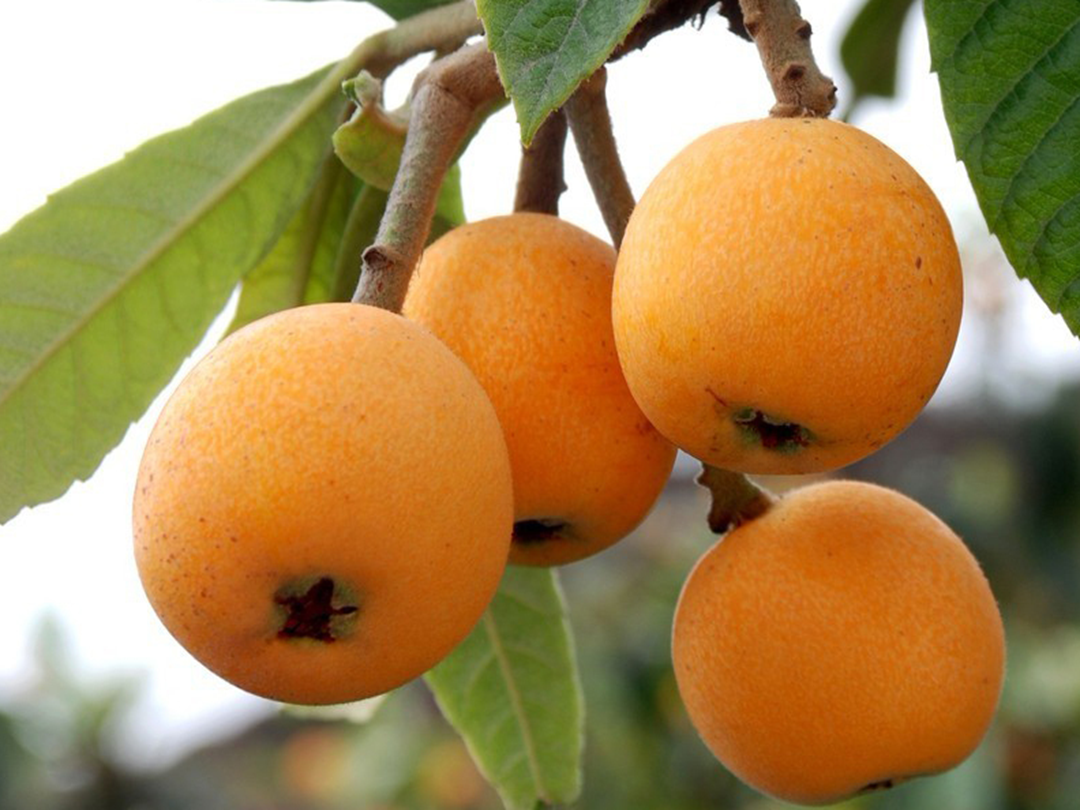
Loquat
Loquat, a name in traditional Chinese medicine. It is the fruit of the loquat (Eriobotrya japonica (Thunb.) Lindl. [Mespilus japonica Thunb.]), a plant in the Rosaceae family. It has the effects of moistening the lungs, quenching thirst, and regulating qi. It is primarily used to treat pulmonary atrophy with coughing and hemoptysis, epistaxis, dry thirst, and vomiting.
Chinese Name : 枇杷
Latin Name : Eriobotrya japonica (Thunb.) Lindl. [Mespilus japonica Thunb.]
Aliases : Golden Ball, Reed Branch
Nature, Flavor & Meridian Tropism : Taste: sweet and sour; Nature: cool; Enters the Spleen, Lung, and Liver meridians
Benefits & Efficacy
Benefits
Moistens the lungs, quenches thirst, and descends qi.
Indications
Mainly used to treat pulmonary atrophy with coughing and hemoptysis, epistaxis, dry thirst, and vomiting. ① Meng Shen: “Beneficial to the five viscera.” ② Cui Yuxi, *The Classic of Dietary Therapy*: “Descends qi and stops retching and vomiting.” ③ *Rihua Zi*: “Regulates lung qi, moistens the five viscera, and descends qi. Stops vomiting and relieves thirst-related disorders.” ④ *Diannan Bencao*: “Treats pulmonary atrophy, consumption-induced hemoptysis, cough with phlegm, and asthma. Also treats febrile convulsions in children.”
Usage and Dosage
Internal Use: Eat raw or prepare as a decoction, 30–60 g.
Precautions
*Suixi Ju Dietary Compendium*: “Excessive consumption promotes dampness and phlegm; those with spleen deficiency and loose stools should avoid it.”
Chemical Constituents
1. The fruit contains cryptoxanthin, neo-β-carotene, DL-lactic acid, and tartaric acid; unripe fruit contains invert sugar, sucrose, free citric acid,malic acid; ripe fruits contain invert sugar, sucrose, and malic acid. Additionally, they contain 3.3% pectin, pentoses, malic acid, succinic acid, oxidase, amylase, amygdalinase, and invertase. 2.The pulp and peel also contain phytofluene, cis-neop-β-carotene, β-carotene, γ-carotene, β-carotene oxide (mutatochrome), cryptoxanthin 5,6,5',6'-diepoxide, cryptoxanthin 5,6-epoxide, cryptoxanthin, cryptoxanthin 5,6,5',8'-dicycloepoxide (cryptoxanthin 5,6,5',8'-diepoxide), cryptoflavin, lutein, cis-lutein, isolutein, violaxanthin, chrysanthemxanthin, luteoxanthin, neoxanthin(neoxanthin).
Relevant Discussions
1. *Benjing Fengyuan*: It must be thoroughly ripe to possess the properties of quenching thirst, regulating qi, and moistening the five viscera. If it retains a raw, sour taste, it can stimulate the liver and weaken the spleen; consuming it may cause abdominal distension and diarrhea.
2. Meng Shen: Beneficial to the five viscera.
3. Cui Yuxi, *The Classic of Dietary Therapy*: Regulates qi and stops retching and vomiting.
4. *Rihua Zi*: Treats lung qi disorders, moistens the five viscera, descends qi, stops vomiting and regurgitation, and alleviates thirst-related ailments.
5. *Diannan Bencao*: Treats pulmonary atrophy, consumption with hemoptysis, coughing with phlegm, and asthma. It also treats febrile convulsions in children.
Applications
Related Compatibility
For treating coughs caused by lung heat: 60 g of fresh loquat pulp and 30 g of rock sugar. Decoct in water and drink. (From *Flora of Fujian*)
Medicinal Diet Therapy
Loquat and Sago Porridge
1. Benefits: Used for coughs caused by lung heat, hemoptysis, epistaxis, and vomiting due to stomach heat.
2. Ingredients: 6 loquats, 50 grams of sago, 100 grams of white sugar.
3. Preparation: Wash the loquats, peel them, remove the flesh, and set aside. Rinse the sago pearls. Place both in a pot, add an appropriate amount of water, and simmer until it becomes porridge. Just before removing from heat, add white sugar to taste.
4. Usage: Consume in the morning and evening.
Processing & Preparation
Harvesting & Processing
Since loquat fruits ripen at different rates, they should be harvested in batches: pick the yellow ones and leave the green ones; pick the ripe ones and leave the unripe ones.
Storage Methods
Since loquat fruits ripen at different rates, they should be harvested in batches.
Crude Drug Identification
Properties of Crude Drugs
The fruit is round or oval, 2–5 cm in diameter, with a yellow or orange-yellow outer peel covered in soft hairs. The apex features black, persistent calyx teeth; removing these reveals a small cavity. The base has a short fruit stalk covered in rough hairs. The outer peel is thin; the middle layer is fleshy, 3–7 mm thick; and the inner layer is papery and brown, containing one or more seeds.It has a faint, pleasant aroma and a sweet, sour taste.
Botanical Information
Botanical Classification
Loquat, a plant of the Rosaceae family.
Morphological Characteristics
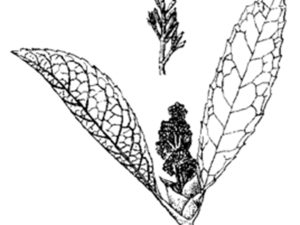
Loquat, an evergreen small tree, reaching a height of about 10 m. The twigs are stout, yellowish-brown, and densely covered with rust-colored or grayish-brown tomentum. The leaves are leathery; the petioles are short or nearly sessile, 6–10 mm long, with grayish-brown tomentum; the stipules are awl-shaped and hairy;Leaves are lanceolate, oblanceolate, obovate, or oblong-elliptic, 12–30 cm long and 3–9 cm wide, with an acute or acuminate apex, a cuneate base tapering gradually into the petiole, and sparsely serrate margins on the upper half; the upper surface is glossy and wrinkled, while the lower surface and veins are densely covered with grayish-brown tomentum; there are 11–21 pairs of lateral veins;panicles are terminal; the main inflorescence stalk and flower stalks are densely covered with rust-colored tomentum; flowers are 1.2–2 cm in diameter; the calyx tube is shallowly cup-shaped, with triangular-ovate sepals bearing rust-colored tomentum on the outer surface; petals are white, oblong or ovate, 5–9 mm long and 4–6 mm wide, with a claw at the base and rust-colored tomentum;20 stamens; 5 separate styles; stigmas capitate and glabrous. Fruit spherical or oblong, 3–5 cm in diameter, yellow or orange-yellow; 1–5 seeds, spherical or flattened-spherical, 1–1.5 cm in diameter, brown, glossy, with a papery seed coat. Flowering period: October–December. Fruiting period: May–June of the following year.
Distribution Area
Distributed in Shaanxi, Gansu, Henan, Jiangsu, Zhejiang, Anhui, Fujian, Taiwan, Guangdong, Guangxi, Jiangxi, Hunan, Hubei, Sichuan, Guizhou, Yunnan, and other regions.
Growth Habits
Loquats prefer full sun but tolerate some shade. They thrive in warm climates and in fertile, moist, well-drained soil. They are moderately cold-tolerant but cannot withstand severe cold. Growth is slow; they thrive in regions where the average temperature is above 12–15°C, winter temperatures do not drop below –5°C, and temperatures during flowering and early fruit development do not fall below 0°C.