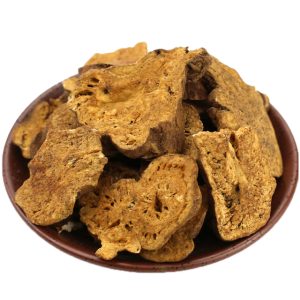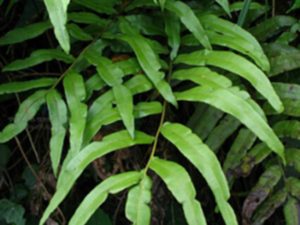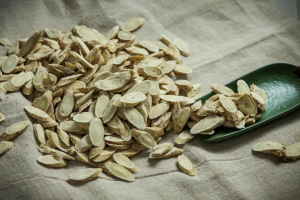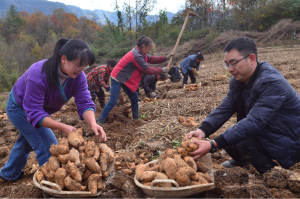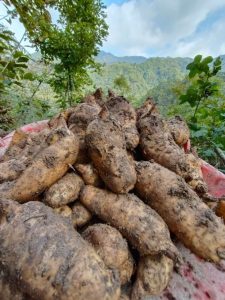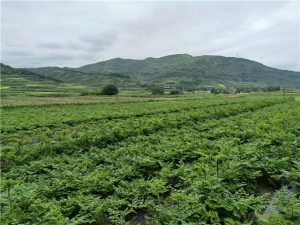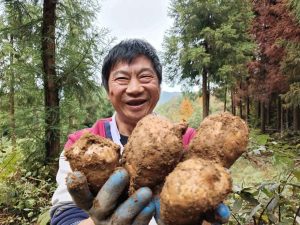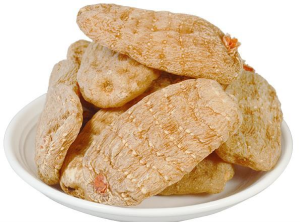
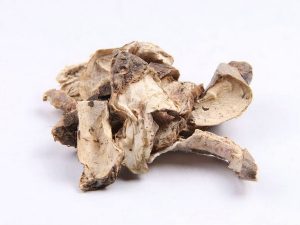
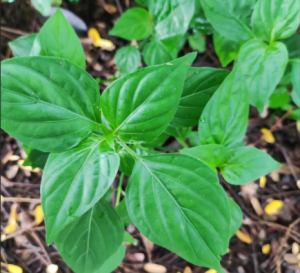
Dong Quai
Gastrodia Elata
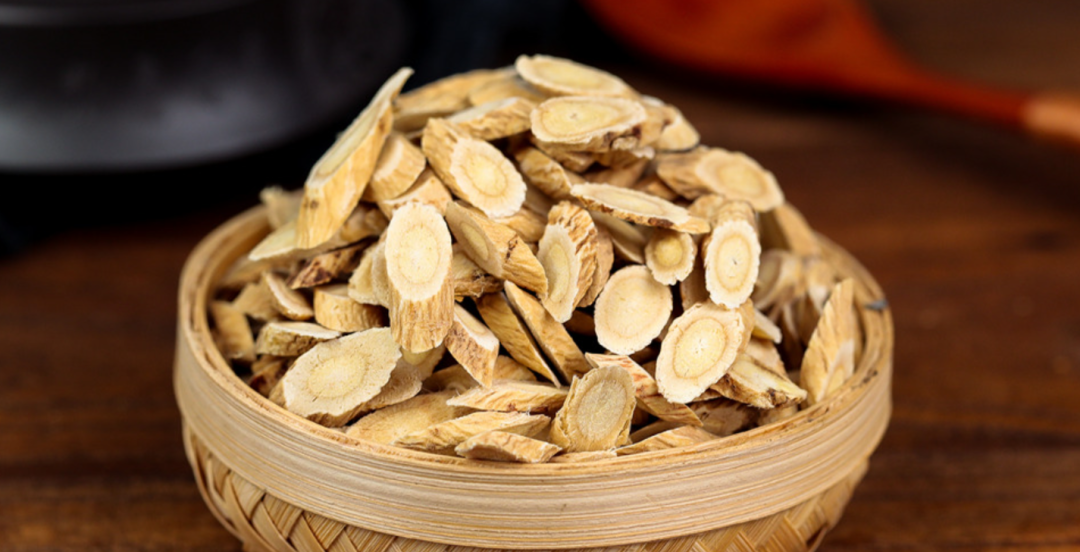
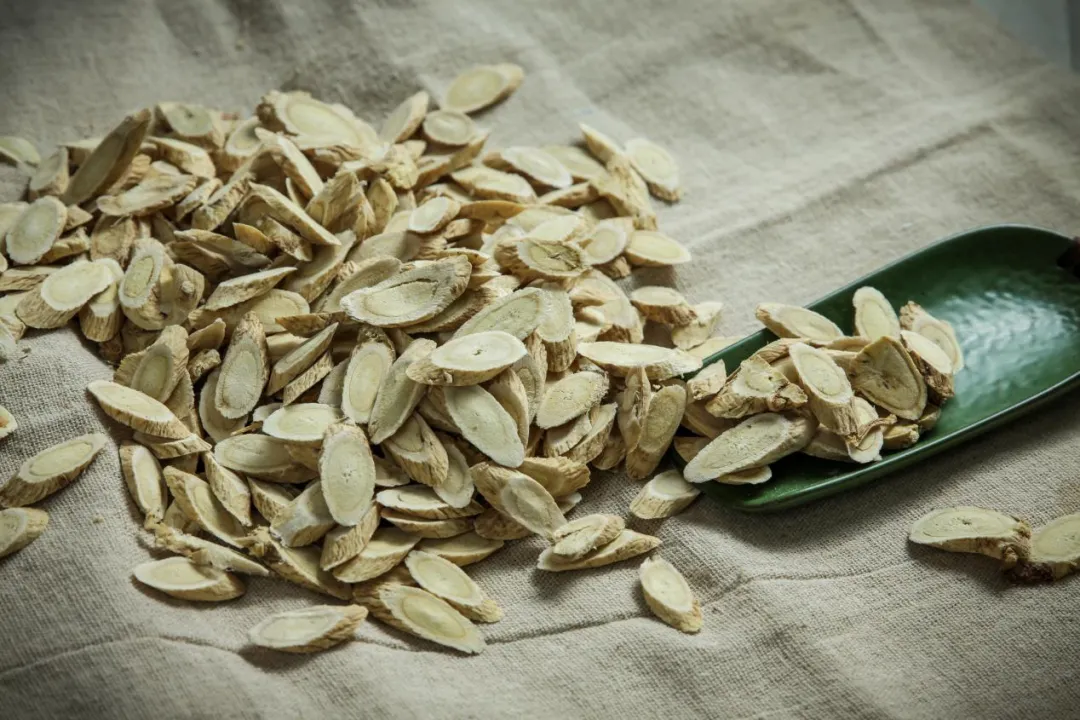
Astragalus
Goji berries
Licorice
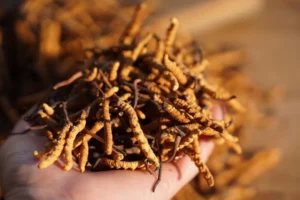
Cordyceps
Chuanxiong

Ma Jiazi Ye

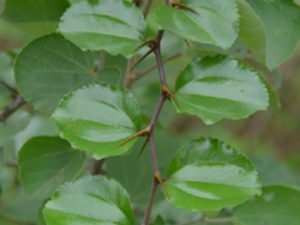
Ma Jiazi Leaves, a name for a traditional Chinese medicine. These are the leaves of Paliurus ramosissimus (Lour.) Poir., a plant in the Rhamnaceae family. It is distributed in southwestern China, as well as in Jiangsu, Anhui, Zhejiang, Jiangxi, Fujian, Taiwan, Hubei, Hunan, Guangdong, and Guangxi. It has the efficacy of clearing heat and detoxifying.It is commonly used to treat conditions characterized by excessive heat and toxins congested at the skin surface, resulting in abscesses and boils that are swollen and painful but fail to ulcerate for a prolonged period, or to treat damp sores accompanied by uncontrollable itching and persistent oozing.

Cactus

Cactus is the name of a traditional Chinese medicine. It consists of the roots and stems of the cactus plants Opuntia dillenii (Ker–Gawl.) Haw. and Opuntia monacantha Haw., both belonging to the Cactaceae family. It has the effects of promoting the flow of qi and blood, cooling the blood and stopping bleeding, and detoxifying and reducing swelling.It is primarily used to treat stomach pain, abdominal masses, dysentery, sore throat, cough due to lung heat, hemoptysis from pulmonary tuberculosis, hematemesis, bleeding from hemorrhoids, boils, carbuncles, mastitis, mumps, tinea, snake and insect bites, burns, and frostbite.

Dog’s Liver Herb

Dog’s Liver Herb is the name of a traditional Chinese medicinal herb. It refers to the whole plant of Dicliptera chinensis (L.) Nees, a species of the genus Dicliptera in the family Acanthaceae. It is distributed in Fujian, Taiwan, Guangdong, Hainan, Guangxi, and other regions. It has the effects of clearing heat, cooling the blood, draining dampness, and detoxifying.It is primarily used to treat common cold with fever, febrile rashes, vomiting of blood, bloody stools, hematuria, metrorrhagia and menorrhagia, cough due to lung heat, sore throat, red eyes due to liver heat, infantile convulsions, dysuria, leukorrhea, herpes zoster, boils and carbuncles, and snake and dog bites.

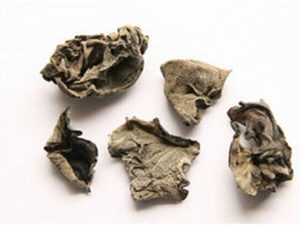
Wood Ear

Wood Ear, a name in traditional Chinese medicine. It is the fruiting body of the fungus Auricularia auricular (L.) Underw., belonging to the Auriculariaceae family.It is distributed throughout China. It has the effects of tonifying qi and nourishing blood, moistening the lungs, stopping bleeding, lowering blood pressure, and fighting cancer. It is commonly used for qi deficiency and blood deficiency, limb tremors, chronic cough due to lung deficiency, hemoptysis, hematemesis, epistaxis, bloody dysentery, bleeding from hemorrhoids, menorrhagia, hypertension, constipation, retinal hemorrhage, cervical cancer, vaginal cancer, and traumatic injuries.

Cordyceps for Lungs: Lung Stamina & Mucosal Defense

Breathlessness, reduced exercise tolerance, persistent mild cough and slow post‑illness respiratory recovery often stem from weakened lung tissue, poor oxygen utilization, low‑grade respiratory inflammation and depleted respiratory mucosal immunity. Cultivated Cordyceps militaris is a well‑known traditional medicinal mushroom used for supporting long‑term lung wellness. It does not treat acute bacterial or viral lung infections, but … Read more
Cordyceps for Energy: Boost Natural Stamina & Fight Persistent Fatigue

Persistent low energy and fatigue can stem from many factors: mitochondrial dysfunction, reduced oxygen utilization, chronic stress, adrenal strain, overtraining, post‑viral recovery, and aging‑related metabolic decline. Cordyceps (typically Cordyceps militaris, the widely used cultivated alternative to rare wild Ophiocordyceps sinensis) is a traditional adaptogenic medicinal mushroom valued for supporting sustained, jitter‑free energy. Unlike stimulants such … Read more

Longxi Astragalus: Certified with Origin Mark Registration by AQSIQ

Longxi Astragalus Certified with Origin Mark Registration by AQSIQ Longxi Astragalus: Certified with Origin Mark Registration by AQSIQ

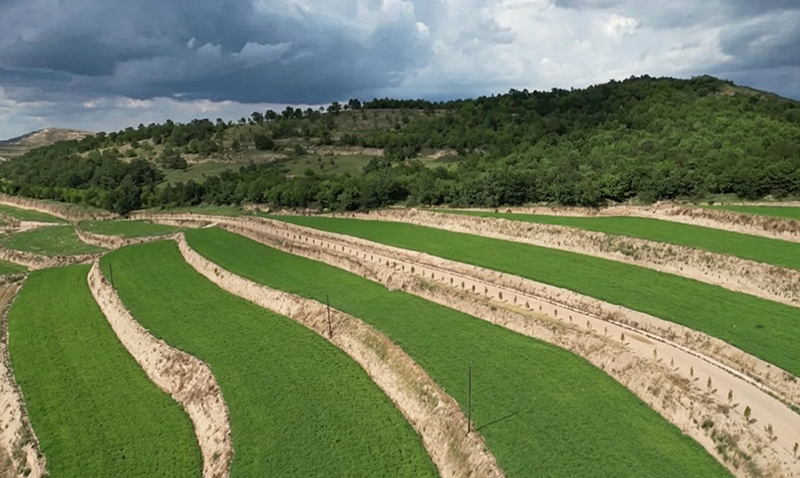
Longxi County, Dingxi City, Gansu, universally hailed as the Hometown of Astragalus, is the canonical Daodi producing zone recorded in ancient TCM classics. In 2003, “Longxi Astragalus” formally passed official review and obtained Origin Mark Registration Certification issued by the former General Administration of Quality Supervision, Inspection and Quarantine (AQSIQ), released under AQSIQ Announcement No.100, … Read more

Longxi Astragalus Chinese Medicinal Herb Seedling Base

Chinese Medicinal Herb Seedling Base – Longxi Astragalus Seedling Breeding Base Longxi Astragalus Chinese Medicinal Herb Seedling Base

Longxi County, Dingxi City, Gansu, hailed as the Hometown of Astragalus and China Medicine Capital, is officially designated by the Ministry of Industry and Information Technology and Ministry of Agriculture as a National Regional Chinese Medicinal Herb Fine Breed Base. Its standardized Chinese Medicinal Herb Seedling Base serves the entire industrial chain of Daodi Longxi … Read more

Daodi Astragalus Producing Area – Longxi, Gansu

Daodi Astragalus Producing Area Daodi Astragalus Producing Area – Longxi, Gansu

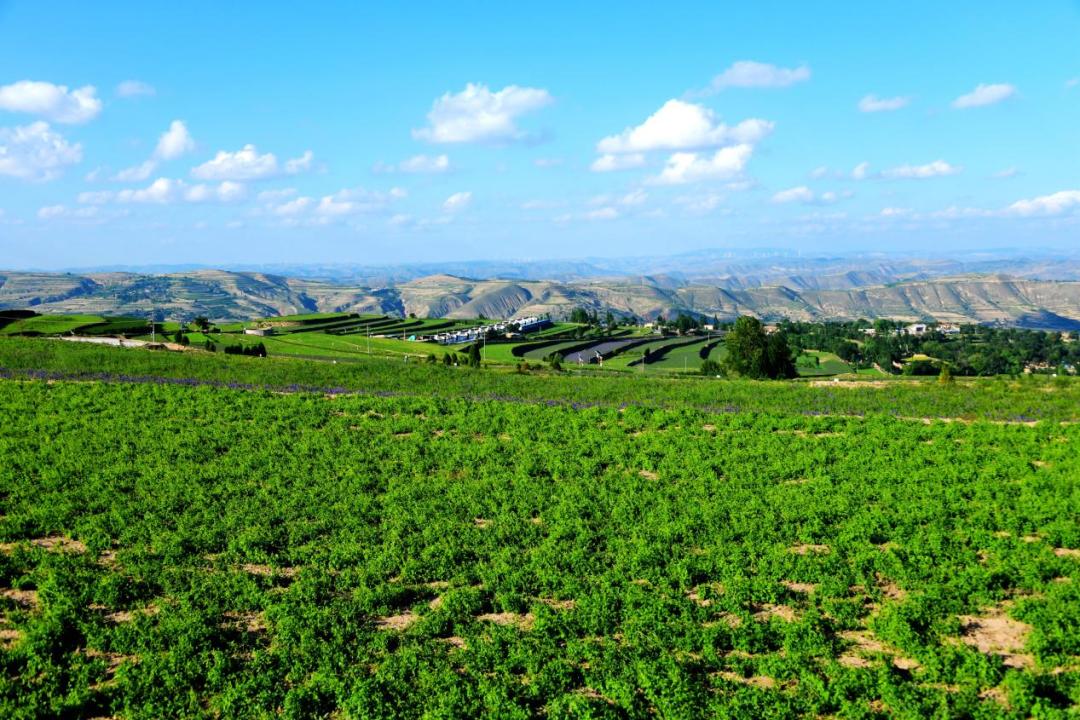
Longxi County, Dingxi City, Gansu Province, universally recognized as the authentic Daodi Astragalus Producing Area, bears the time-honored reputation of “China Hometown of Astragalus” and “Millennium Herbal Town” in Northwest China. Recorded in the authoritative ancient herbal work Treatise on the Properties of Materia Medica Collection written by Tao Hongjing of the Liang Dynasty, the … Read more

Longxi Astragalus GAP Chinese Medicinal Herb Base

image 11 Longxi Astragalus GAP Chinese Medicinal Herb Base

Longxi County, Dingxi City, Gansu Province, enjoys the reputation of Hometown of Astragalus in China and is hailed as China Medicine Capital. It is the canonical Daodi producing area of Mongolian Astragalus recorded in ancient Chinese herbal literatures. The GAP Chinese Medicinal Herb Base is built within the official geographical indication protected zone of Longxi … Read more

Does Astragalus Root Interact With Antibiotics?

Astragalus root has no dangerous direct chemical interactions with most common antibiotics, but there are critical timing and functional considerations you must follow when taking them together, and certain patient groups need medical oversight before combining the two. How Astragalus & Antibiotics Work Differently Potential Beneficial Synergy When used properly, astragalus complements antibiotic treatment: Key … Read more

Is Astragalus Root Safe With Chemotherapy?

Astragalus root is widely studied as a supportive herbal aid during chemotherapy, but it is not universally safe for all chemo regimens and requires mandatory approval from your oncologist before use. When supervised by a cancer care team, it may reduce chemo-induced fatigue, low white blood cell counts and organ toxicity; unsupervised use carries potential … Read more

How Long Does It Take For Astragalus Root To Work?

Astragalus root is a slow-acting adaptogenic herb, causing countless new users to search how long it takes for astragalus root to work after starting supplementation. Unlike fast-acting synthetic supplements that deliver instant results, astragalus builds bodily resilience gradually, with noticeable benefits appearing on a clear timeline based on usage goals, dosage consistency, and individual physical … Read more

Does Astragalus Root Interact With Lithium?

Patients taking lithium for mood disorder management commonly search whether astragalus root interacts with lithium due to lithium’s narrow therapeutic safety window. Lithium is highly sensitive to bodily fluid balance, kidney metabolism, and herbal interventions, making herb-drug interaction critical for patient safety. This 1200+ word article explains the verified interaction mechanism, severe risks, absolute contraindications, … Read more